
Prior Expectations
Before the New York Times acquired Wordle, the game was a simple yet addictive puzzle created by Josh Wardle in October 2021. Initially designed as a gift for his partner, Palak Shah, it quickly gained popularity, captivating players with its straightforward mechanics. Players had six attempts to guess a five-letter word, and the game offered a single puzzle each day, resetting at midnight. The anticipation of a new puzzle each day became a routine for many, establishing a dedicated community around the game.
Decisive Moment
In early February 2022, the landscape of Wordle changed dramatically when Josh Wardle sold the game to the New York Times for a seven-figure sum. This acquisition marked a significant turning point, as the New York Times aimed to integrate Wordle into its suite of games, enhancing its digital offerings. The sale was not just a financial transaction; it was a strategic move to attract a broader audience to the Times’ online platform. As a result, Wordle’s daily puzzles continued, with players eagerly awaiting each new challenge, including the latest puzzle, which is Wordle #1,725, with today’s answer being “SHOAL.”
Direct Effects on Players
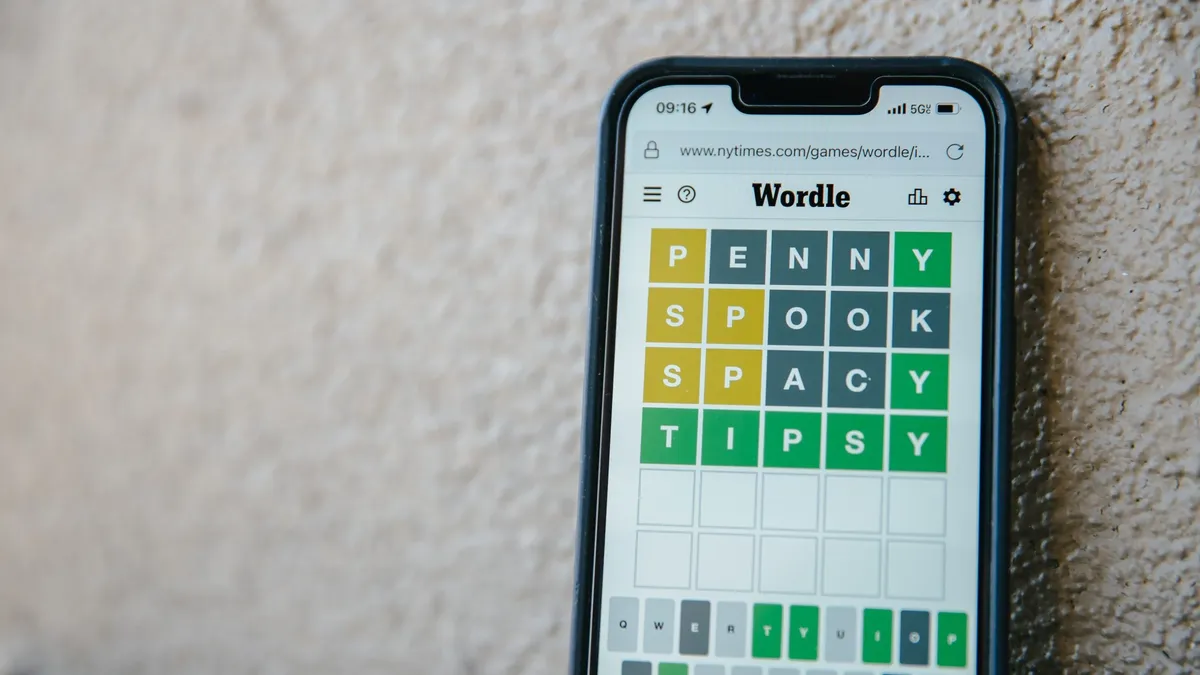
The acquisition by the New York Times had immediate effects on the player base. While the core mechanics of the game remained unchanged, the Times’ involvement brought increased visibility and a sense of legitimacy to Wordle. Players could now access the game through a reputable platform, and the Times began to incorporate it into their broader content strategy. The average player now completes Wordle in approximately 3.8 moves in easy mode, reflecting both the game’s accessibility and the growing familiarity among its audience. The daily puzzle format continued to engage players, with one puzzle released each day, fostering a sense of community as players shared their results and strategies.
Expert Perspectives
Experts in the gaming industry have noted the significance of Wordle’s transition to the New York Times. According to Josh Wardle, “The underlying question was always, ‘How do I sell this to the New York Times?’” This sentiment highlights the careful consideration behind the sale, as Wardle sought to ensure that the game’s essence would be preserved. The Times’ acquisition has allowed Wordle to thrive in a competitive market, with the game now reaching a wider audience than ever before. The incorporation of Wordle into the Times’ offerings has also led to discussions about the future of digital puzzles and their role in engaging readers.
Current Trends and Observations
As of today, players are tackling Wordle #1,725, with the answer being “SHOAL,” which refers to a sandbank or sandbar that makes water shallow. This particular puzzle features two vowels and has no repeated letters, showcasing the game’s clever design. The New York Times has successfully maintained the game’s charm while ensuring it remains a staple for puzzle enthusiasts. The daily reset at midnight continues to create excitement, as players anticipate the next challenge. Additionally, the game incorporates two of the five most common letters used in Wordle, enhancing its appeal.
Looking Ahead
With the New York Times at the helm, the future of Wordle appears bright. The game has not only maintained its original charm but has also adapted to the changing landscape of digital gaming. As the Times continues to innovate and engage its audience, Wordle will likely remain a key player in the realm of daily puzzles. The community surrounding Wordle has grown, with players sharing tips and strategies, further enriching the experience. As the game evolves, it will be interesting to see how the New York Times continues to leverage this popular puzzle to attract and retain readers.
Wordle’s journey from a simple game created by Josh Wardle to a beloved daily puzzle under the New York Times illustrates the power of engaging content in the digital age. As players continue to enjoy the challenge of guessing the daily word, the game’s legacy as a cultural phenomenon is firmly established.