
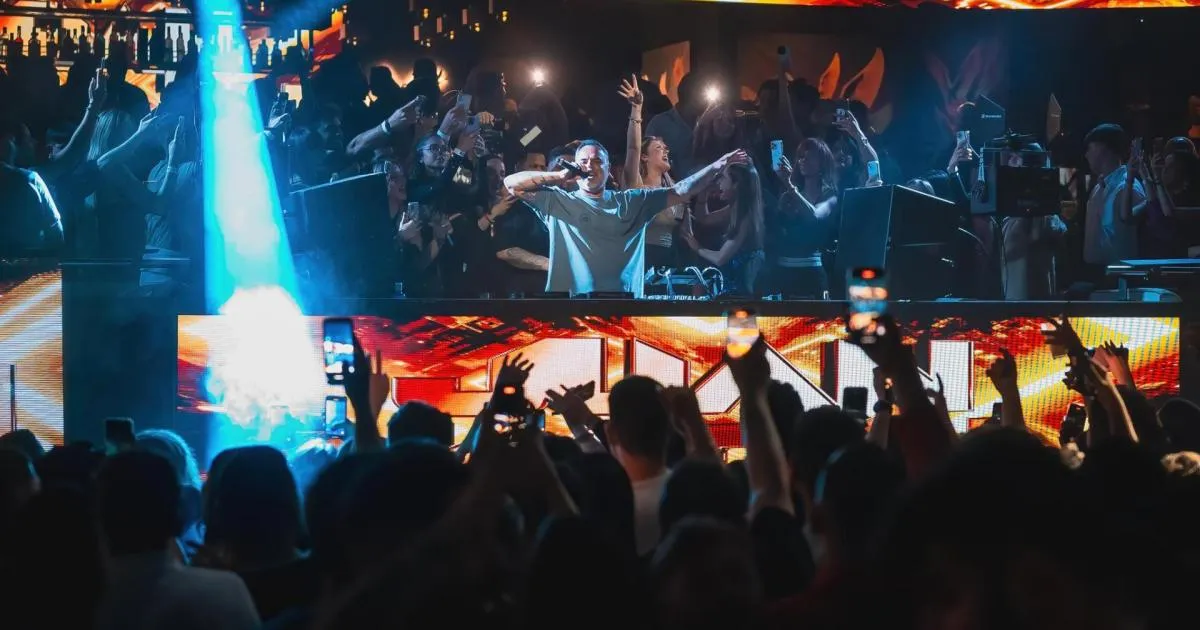
As of May 5, 2026, Mallorca’s nightlife sector is bracing for a further revenue decline as local and tourist spending diminishes, while Liverpool is recognized as one of the safest cities for nightlife despite ongoing safety concerns among women and the LGBT+ community.
The situation in Mallorca has deteriorated since 2025 when the nightlife industry already experienced a downturn. According to Miguel Pérez-Marsá, a representative from the CAEB Restaurants Association, “We were already coming off a slow year, and now the forecast is for even lower attendance and, consequently, lower revenue.” This anticipated decline has prompted clubs in Mallorca to shorten their opening hours to manage operating costs more effectively.
In stark contrast, Liverpool has seen an increase in perceptions of safety within its nightlife scene. Recent statistics indicate that 60% of individuals reported feeling safe walking around Liverpool city centre after 10 PM. Furthermore, the city has maintained its Purple Flag accreditation for an impressive sixteen consecutive years—an indication of its commitment to providing a safe night-time economy.
However, not all narratives surrounding Liverpool’s nightlife are positive. Despite the city’s overall reputation for safety, significant portions of its population feel vulnerable. A survey revealed that 75% of individuals within the LGBT+ community express concerns about harassment during nights out. Additionally, 71% of women surveyed reported fearing sexual assault when going out at night, according to the Merseyside Police and Crime Commissioner.
To address these concerns, the Liverpool BID company has implemented a night-time safety charter aimed at enhancing safety standards across venues. Over 125 businesses have signed this charter, which includes initiatives such as providing more training to bar staff to help prevent harassment. Clive Duffey from Ask for Clive stated, “Our sticker is placed at the front door of venues to recognise them as an inclusive hate-free space… it’s about venues creating a culture of safety.”
This duality between Mallorca’s declining nightlife revenue and Liverpool’s efforts toward improving nightlife safety illustrates broader trends affecting urban environments. While Mallorca grapples with financial challenges linked to reduced tourist spending and local patronage, Liverpool demonstrates how proactive measures can foster a safer atmosphere despite underlying fears among specific demographics.
The contrasting experiences in these two cities highlight essential dynamics within the global nightlife landscape—where economic factors intertwine with social issues surrounding safety and inclusivity.