
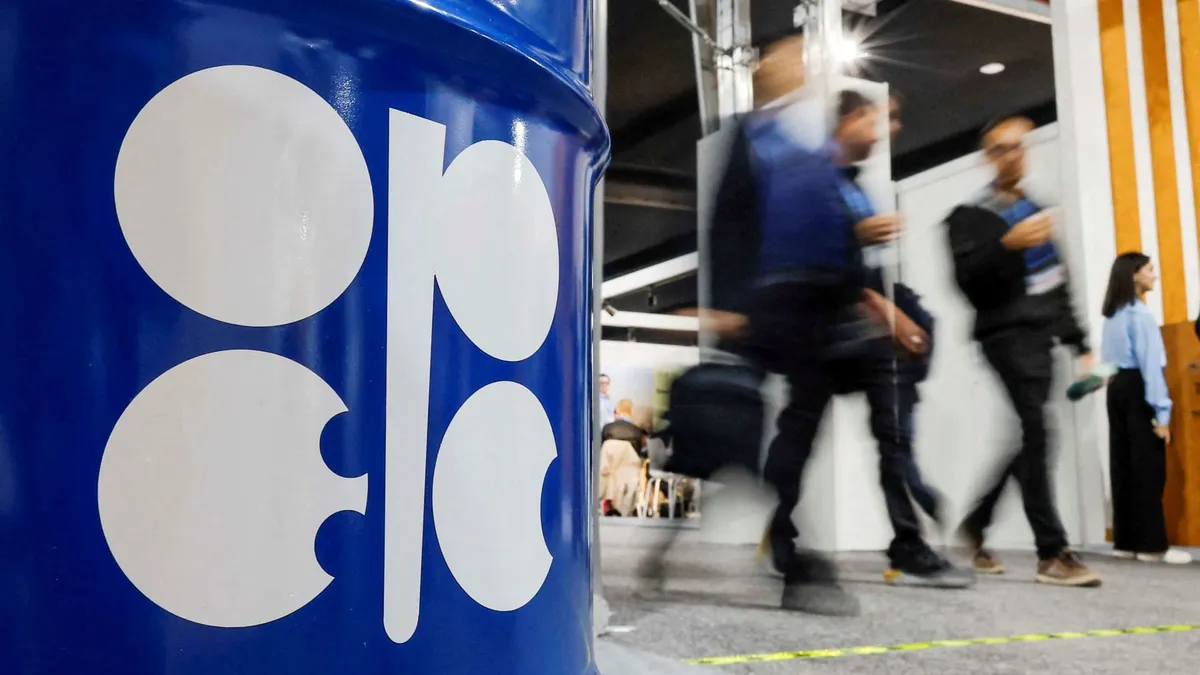
The United Arab Emirates has announced its departure from OPEC, effective April 28, 2026, a decision that analysts view as a notable shift in the dynamics of the global energy market amidst escalating oil prices.
Historically, the UAE joined OPEC in 1967 and remained a member following the formation of the nation in 1971. However, this recent decision reflects growing frustrations within the UAE regarding perceived inadequacies in support from fellow Arab states in light of ongoing Iranian threats.
On April 25, 2026, documents revealed that the UAE criticized its Gulf neighbors for their insufficient response to Iranian attacks, which have increasingly jeopardized crude oil exports through critical shipping routes such as the Strait of Hormuz—where approximately a fifth of the world’s crude oil and liquefied natural gas transit.
The Brent crude oil price has surged to $119.50 per barrel since the onset of hostilities related to the Iran war, marking a significant increase of 3.4%. This price escalation has drawn ire from various political figures, including Donald Trump, who has publicly accused OPEC of inflating oil prices.
As tensions rise, Anwar Gargash, a prominent political figure in the UAE, noted that while Gulf Cooperation Council countries have supported each other logistically, their political and military positions have historically been weak. He expressed surprise at this lack of cohesion among GCC members during such critical times.
The implications of the UAE’s exit from OPEC are multifaceted; it raises questions about future cooperation among Gulf producers and could potentially alter market strategies within OPEC+. While some experts predict an increase in independent oil production by the UAE, others caution that this could lead to further volatility in an already unstable energy market.
This development not only impacts regional politics but also reverberates through global energy dynamics as countries reassess their dependencies on traditional power structures like OPEC. The exit signals an evolving landscape where national interests may increasingly take precedence over collective agreements.