
What Happened
Nemesio Oseguera Cervantes, known as El Mencho, died following a security operation aimed at his arrest in Jalisco state, Mexico. The Mexican defense ministry reported that he was seriously injured during clashes between the army and members of the Jalisco New Generation cartel (CJNG) and later succumbed to his injuries while being transferred to Mexico City. Four cartel members were killed in the operation, and three soldiers sustained injuries. The United States had previously offered a $15 million reward for information leading to his capture and provided intelligence support during the operation.
Why It Matters
El Mencho’s death marks the removal of one of the world’s most wanted drug traffickers and signifies a pivotal moment in Mexico’s ongoing conflict with organized crime. His cartel, CJNG, has been notorious for its violent confrontations with security forces and has expanded its drug trafficking operations internationally, dealing in cocaine, methamphetamine, and fentanyl. The violent aftermath of his death, which included reported violence in several states, underscores the ongoing instability in the region and the challenges faced by law enforcement in combating drug-related violence.
What’s Next
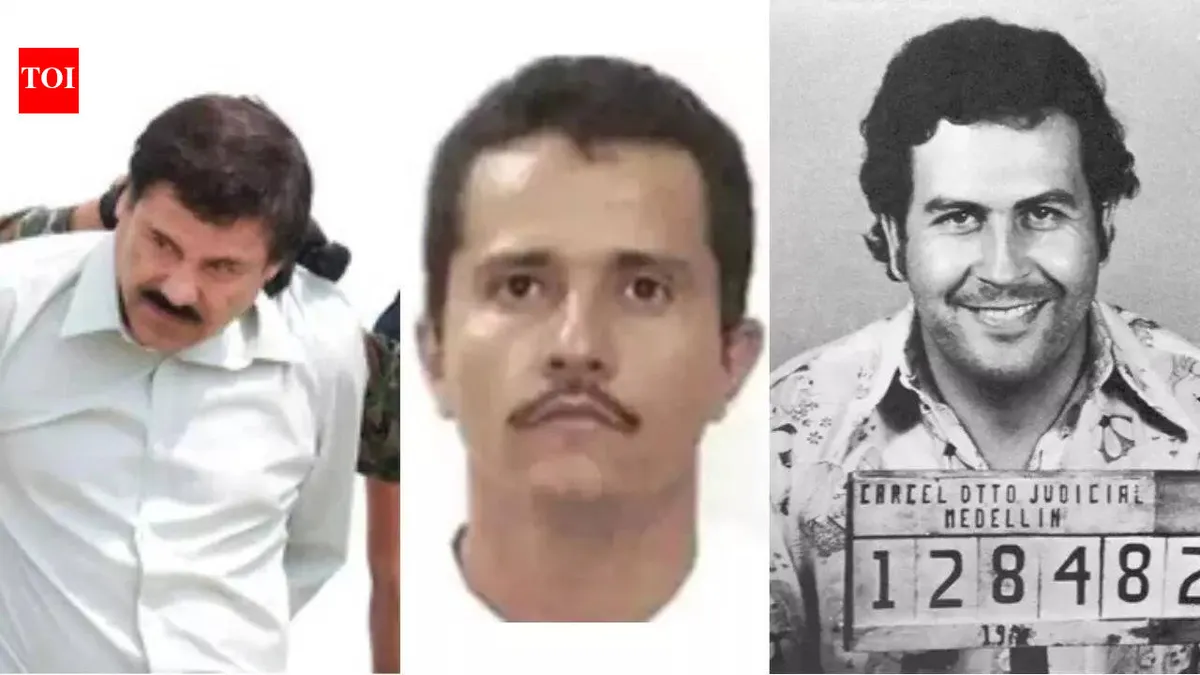
As Mexico grapples with the implications of El Mencho’s death, attention is likely to shift towards the power dynamics within the CJNG and the potential for increased violence as rival factions vie for control. Additionally, this event has reignited discussions about the legacy of notorious drug lords, including Pablo Escobar, whose empire and methods have drawn comparisons to those of El Mencho. The ongoing narrative of drug trafficking and its impact on society continues to captivate filmmakers and the public alike, as seen in various productions exploring Escobar’s life and the broader implications of the drug trade.