
How it unfolded
As the conflict in the Middle East escalated, the repercussions were felt far beyond its borders, reaching the petrol stations of the UK. Just before the recent surge in demand, petrol prices had already begun to rise, but the situation took a dramatic turn as the conflict intensified. On February 28, 2024, the average price of petrol in the UK crossed the 150p mark for the first time since May 2024, reaching 150.11p per litre. This marked the beginning of a troubling trend that would soon lead to widespread fuel shortages.
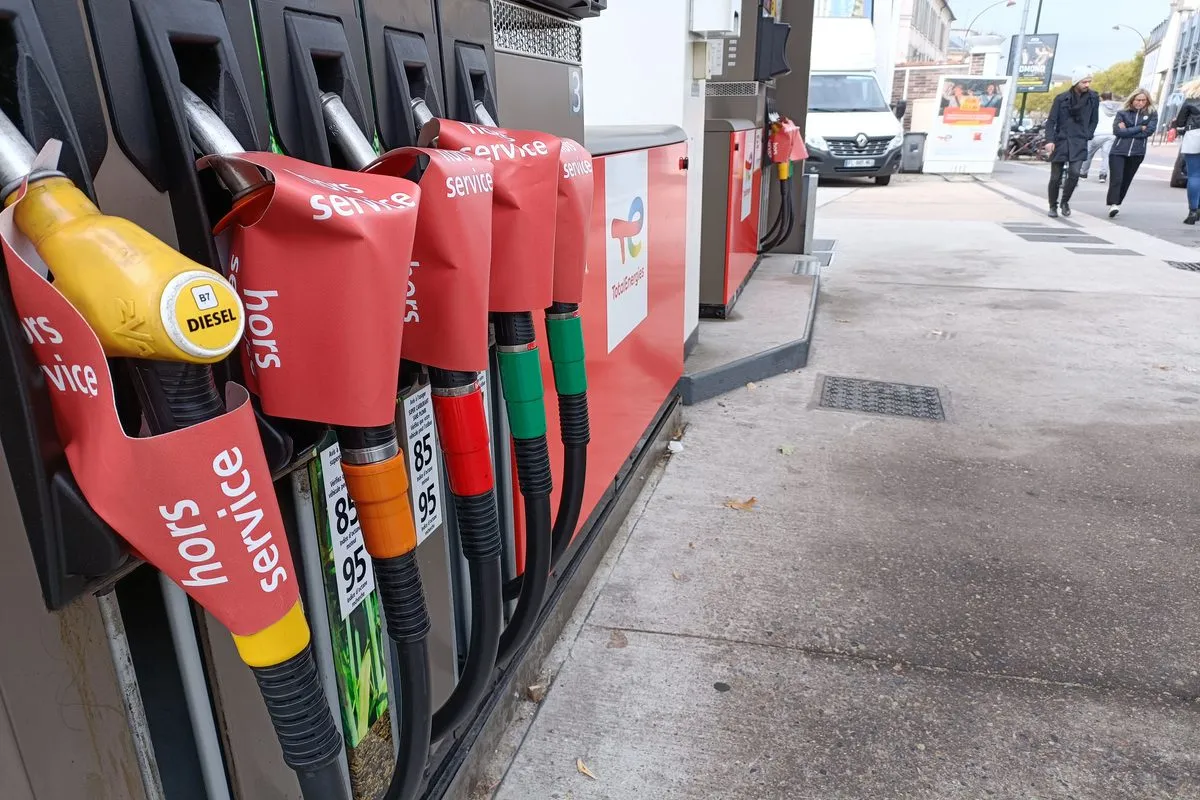
By mid-March 2024, reports began to surface from Scotland, where petrol stations were forced to close after running out of fuel. Drivers in regions such as Dundee and Fife faced significant challenges, with several petrol stations completely out of fuel. The situation was exacerbated by rising costs, which were directly linked to the ongoing war in Iran. The average price of diesel soared to 177.68p per litre, and the average price at UK forecourts reached an alarming 184.2p.
As demand continued to outstrip supply, major retailers like Asda, Tesco, and Morrisons found themselves grappling with temporary shortages at their petrol pumps. Allan Leighton, a spokesperson for Asda, noted, “Our fuel volumes are up quite significantly and clearly demand has been outstripping supply. Supply is tight and we are all trying hard on that.” This sentiment was echoed across the industry, with Fuels Industry UK stating that the supply of petrol and diesel in the UK was stable, despite the ongoing challenges.
Drivers were advised to plan their refueling carefully, especially those embarking on long journeys. Simon Williams from the RAC emphasized the need for strategic planning, stating, “Drivers on long journeys will need to plan very carefully where they refuel.” This advice came as a response to the unpredictable nature of fuel availability, which has been described as “spiky” and prone to temporary shortages.
As of today, petrol stations across the UK are still facing challenges, with average petrol prices increasing to 153.7p per litre, reflecting a 16% rise since the conflict began. The cost of filling an average family car with diesel has now exceeded £100 for the first time in over three years, placing additional financial strain on consumers already grappling with rising living costs.
The implications of these fuel shortages are significant, affecting not only individual drivers but also the broader economy. With transport costs rising, the price of goods and services is likely to follow suit, creating a ripple effect that could impact various sectors. The urgency of the situation is underscored by the fact that many petrol stations are struggling to keep up with the demand, leading to long queues and frustration among motorists.
In summary, the petrol stations fuel shortages in the UK today are a direct consequence of rising prices and supply chain disruptions linked to the ongoing conflict in the Middle East. As the situation continues to evolve, consumers and industry stakeholders alike are left to navigate an uncertain landscape, with the hope that stability will return to the fuel market in the near future.