
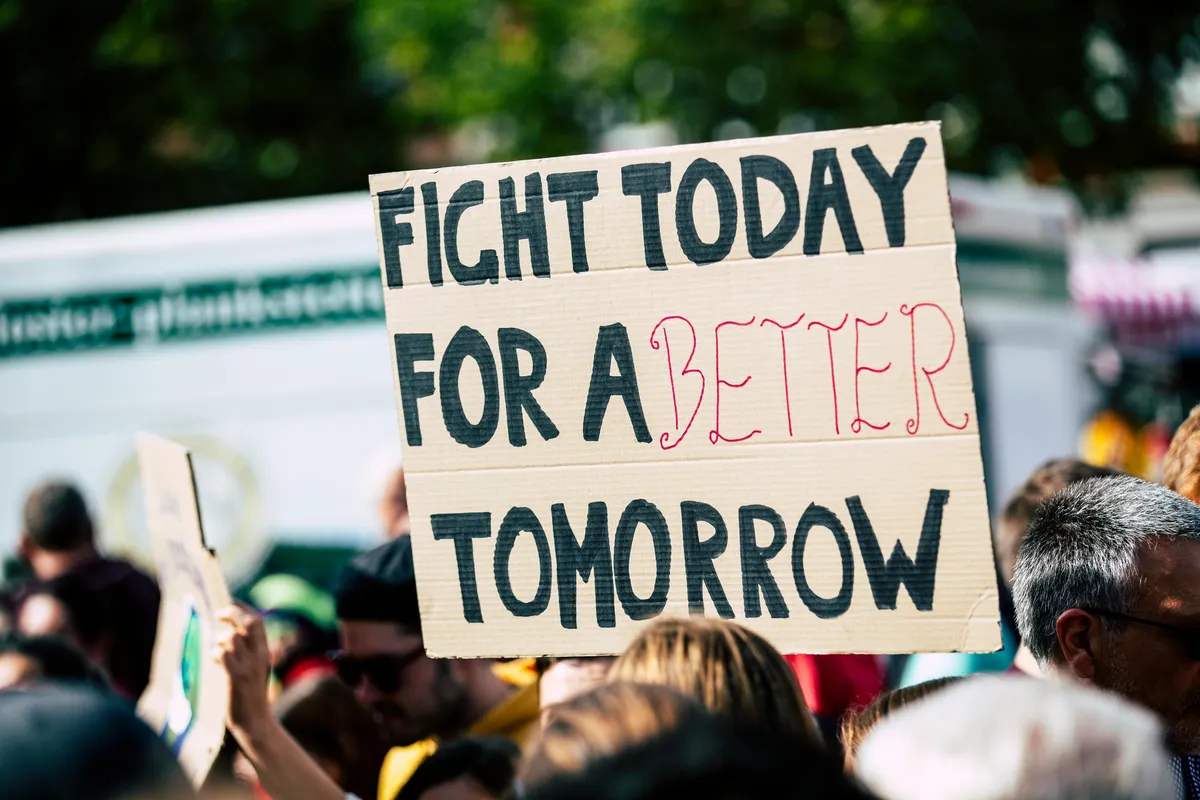
On May Day, over 100,000 students across the United States participated in strikes, reflecting a significant surge in youth activism focused on labor rights and social justice issues. These protests coincided with International Workers’ Day, a date historically associated with labor movements since the late 19th century.
The protests stemmed from various grievances against the Trump administration, including opposition to the Iran war, immigration policies, and broader social injustices. The Sunrise Movement reported that numerous schools canceled classes due to the anticipated high turnout of both students and teachers participating in these demonstrations.
Key facts:
- The nationwide strike on May Day has historical roots dating back to the fight for an eight-hour workday in 1886.
- The Haymarket affair that same year resulted in violence and led to the execution of four labor activists.
- Thousands protested against various issues during recent May Day rallies across the U.S., underscoring a renewed commitment to labor rights.
As part of this movement, demonstrators voiced their concerns not only about labor rights but also about climate activism and social justice. A quote from an unknown source emphasized that while some actions might be controversial, it is essential to recognize the right to protest against perceived injustices.
The current wave of student activism represents a broader trend where younger generations are increasingly willing to engage in direct action for causes they believe in. However, uncertainties remain about how these protests will influence policy changes or shift public opinion regarding these pressing issues.