
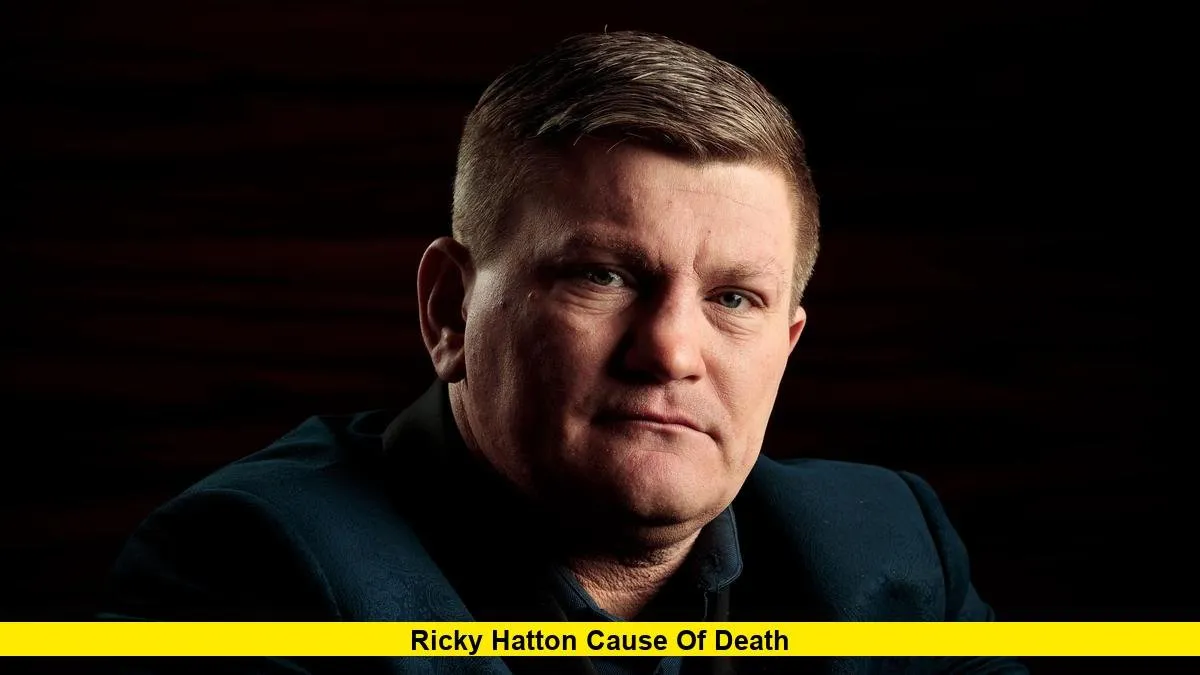
On March 20, 2026, the boxing world was shaken by the tragic news of Ricky Hatton’s death at the age of 46. The former champion, known for his electrifying performances in the ring, was found hanged with a bedsheet in his home in Hyde, near Manchester. This devastating event unfolded against a backdrop of Hatton’s long-standing struggles with mental health issues and substance abuse following his illustrious boxing career.
In the days leading up to his death, Hatton had been exhibiting concerning behaviors. Reports indicated that he had been drinking heavily, exceeding the legal drink-drive limit by 2.5 times. His family had expressed worries about his significant memory loss and confusion, symptoms that are often associated with Chronic Traumatic Encephalopathy (CTE), a degenerative brain disease linked to repeated head trauma. Indeed, the inquest revealed that Hatton was suffering from CTE at the time of his death, a condition that has increasingly come under scrutiny in the world of contact sports.
The inquest, held at South Manchester coroners’ court, concluded that while Hatton’s death was a tragic loss, the coroner, Alison Mutch, could not definitively rule it a suicide. “I cannot be satisfied that he intended to take his own life,” she stated, emphasizing the complexities surrounding his mental state at the time. The absence of a suicide note and the influence of alcohol further complicated the narrative, leaving many questions unanswered.
Hatton’s manager, Paul Speak, was the one who discovered him, a moment that underscored the deep personal connections within the boxing community. Hatton’s son, Campbell Hatton, reflected on his father’s post-boxing struggles, stating, “Post-boxing, my dad had mental health issues and also issues with alcohol and cocaine.” This admission sheds light on the often-overlooked challenges faced by athletes after their careers end, particularly in a sport as physically demanding as boxing.
Throughout his career, Ricky Hatton was celebrated for his tenacity and skill, winning 45 of his 48 professional bouts. His legacy as one of Britain’s most beloved boxers was cemented by his ability to connect with fans, both in and out of the ring. However, the toll of his profession became increasingly evident as he battled the demons of CTE and addiction.
Despite the struggles he faced, Hatton had made plans for the future, including an exhibition boxing match in Dubai, which highlights the stark contrast between his aspirations and the tragic reality of his mental health struggles. His family and friends remember him as a vibrant individual who brought joy to those around him. Jennifer Dooley, a close family member, remarked, “He was very much the fun dad and the girls loved that about him,” a testament to the personal loss felt by those who knew him best.
The circumstances surrounding Ricky Hatton’s death serve as a poignant reminder of the risks associated with professional boxing and the need for greater awareness and support for athletes facing mental health challenges. As discussions around CTE and its effects continue to evolve, the boxing community must confront the realities of the sport and advocate for the well-being of its athletes.
As the investigation into Hatton’s death concludes, the legacy of his life and career will undoubtedly spark ongoing conversations about mental health in sports. The tragic end of Ricky Hatton’s story is not just a loss for his family and friends but a call to action for a sport that has given so much yet demands so much in return.