
Background on the Controversy
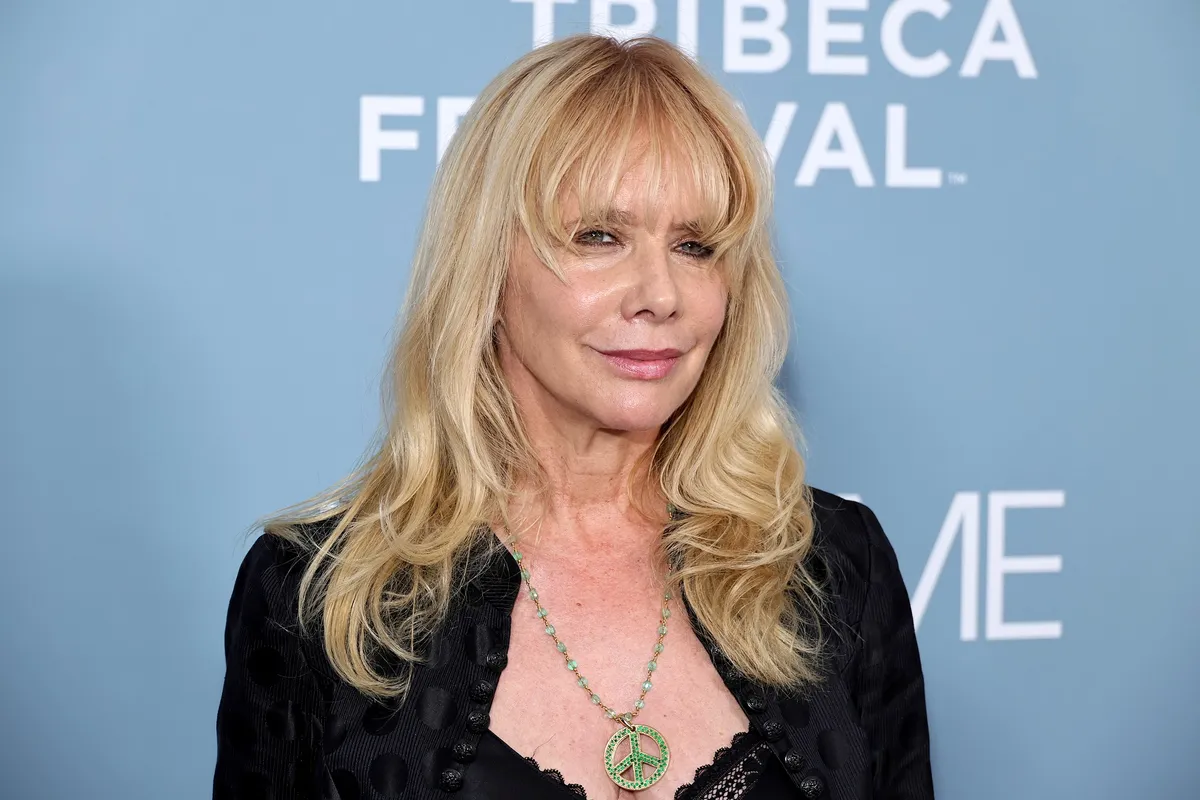
Rosanna Arquette, known for her roles in various films, has recently reignited a long-standing debate regarding the use of racial slurs in cinema, particularly in Quentin Tarantino’s 1994 film, Pulp Fiction. The film, which is often hailed as iconic, has faced criticism over its language, especially the frequent use of the N-word. Arquette’s comments come as part of a broader conversation about race and representation in Hollywood, a topic that has gained traction in recent years.
Arquette’s Criticism
On March 10, 2026, Arquette publicly criticized Tarantino’s use of the N-word, describing it as “racist and creepy.” She expressed her frustration with the continued acceptance of such language in films, stating, “I am over the use of the N-word. I hate it. I cannot stand that [Tarantino] has been given a hall pass. It’s not art, it’s just racist and creepy.” Her remarks were reported by 132 different media outlets, highlighting the significant public interest in the issue.
Tarantino’s Response
In response to Arquette’s criticism, Tarantino accused her of disrespecting both him and the film. He stated, “I hope the publicity you’re getting from 132 different media outlets writing your name and printing your picture was worth disrespecting me and a film I remember quite clearly you were thrilled to be a part of?” Tarantino further claimed that Arquette’s comments reflected a “decided lack of class,” suggesting that her criticism was not only unfounded but also hypocritical given her involvement in the film.
The Financial Angle
Adding another layer to the controversy, Arquette claimed that she was the only person involved in Pulp Fiction who did not receive a backend share of the film’s profits, attributing this to Harvey Weinstein. She stated, “Everybody made money except me,” implying that her financial grievances may have influenced her current stance on the film and its language. This revelation has prompted discussions about the treatment of women in Hollywood and the financial disparities that exist within the industry.
Expert Opinions and Reactions
The debate over Tarantino’s use of racial language is not new; his films have often sparked similar discussions. Samuel L. Jackson, a frequent collaborator with Tarantino, has defended the director’s use of racial slurs, arguing that they serve a purpose in the context of the narratives. Jamie Foxx, who starred in Tarantino’s Django Unchained, has also stated that the use of the N-word in that film was historically accurate. These perspectives highlight the complexity of the issue, as opinions vary widely among those within the industry.
Broader Implications
Arquette’s comments and the subsequent backlash from Tarantino underscore the ongoing tensions surrounding race and language in film. As society becomes increasingly aware of the impact of language on marginalized communities, filmmakers are faced with the challenge of balancing artistic expression with social responsibility. The conflict between Arquette and Tarantino serves as a microcosm of this larger conversation, prompting audiences to reflect on the implications of racial language in media.
While the immediate effects of this conflict may be limited to the parties involved, the broader implications for Hollywood and its treatment of racial issues are significant. As discussions continue, it remains to be seen how this will influence future projects and the industry’s approach to sensitive topics. Details remain unconfirmed.