
Background of the Controversy
In the realm of film, Quentin Tarantino has long been a polarizing figure, particularly regarding his use of racial slurs in his works. His films, including the critically acclaimed Pulp Fiction and Django Unchained, have sparked significant debate over the artistic merit of such language. Tarantino has previously defended his choices, notably at the 2013 Golden Globes, where he articulated his perspective on the necessity of authenticity in dialogue.
Rosanna Arquette’s Criticism
On March 10, 2026, Rosanna Arquette, who portrayed Jody in Pulp Fiction, publicly criticized Tarantino’s use of the N-word in his films during an interview with The Times. She described his usage as “not art, it’s just racist and creepy,” highlighting a growing frustration among some artists regarding the normalization of such language in mainstream cinema. Her comments resonated widely, leading to coverage from 132 different media outlets.
Tarantino’s Response
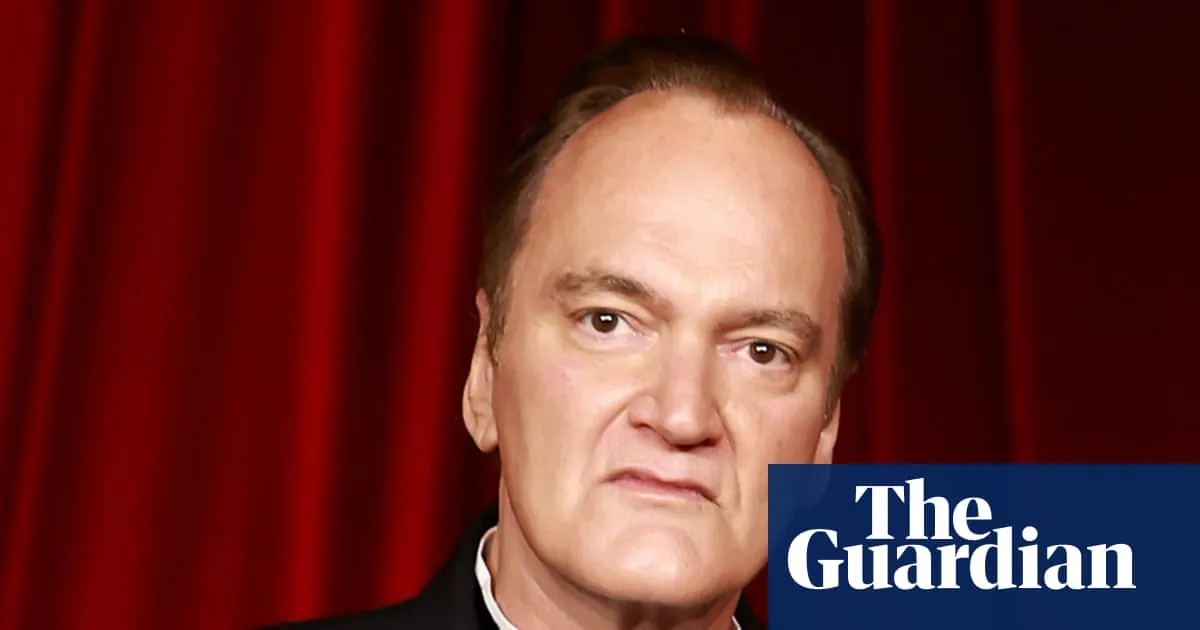
Tarantino did not remain silent in the face of Arquette’s remarks. He responded sharply, accusing her of demonstrating a “decided lack of class” in her criticism. He expressed disappointment, suggesting that her public disparagement of him and his work was disrespectful, especially considering her past involvement in a film that he viewed as iconic. Tarantino’s retort included a pointed remark about the publicity Arquette received from the media coverage of her criticism.
The Impact of Their Exchange
The exchange between Arquette and Tarantino has not only reignited discussions about the use of racial slurs in film but has also highlighted the complexities of artistic relationships. Arquette’s comments reflect a broader sentiment among some actors and filmmakers who feel that the use of such language perpetuates harmful stereotypes and detracts from the artistic integrity of the work. Meanwhile, Tarantino’s defense of his artistic choices underscores the tension between creative freedom and social responsibility.
Expert Perspectives
Experts in film studies and cultural criticism have weighed in on the controversy, noting that Tarantino’s films often walk a fine line between artistic expression and racial insensitivity. The fact that Django Unchained features the N-word 110 times has drawn particular ire from critics, including filmmaker Spike Lee, who has been vocal about his opposition to Tarantino’s approach. This ongoing dialogue reflects a larger cultural reckoning within Hollywood regarding race and representation.
As the conversation continues, both Arquette and Tarantino’s perspectives contribute to an essential discourse about race in cinema. While Arquette’s criticism may have been intended to provoke thought and change, Tarantino’s response reveals the complexities and sensitivities surrounding artistic expression. The fallout from this exchange may influence how filmmakers approach the use of racial language in their works moving forward.