
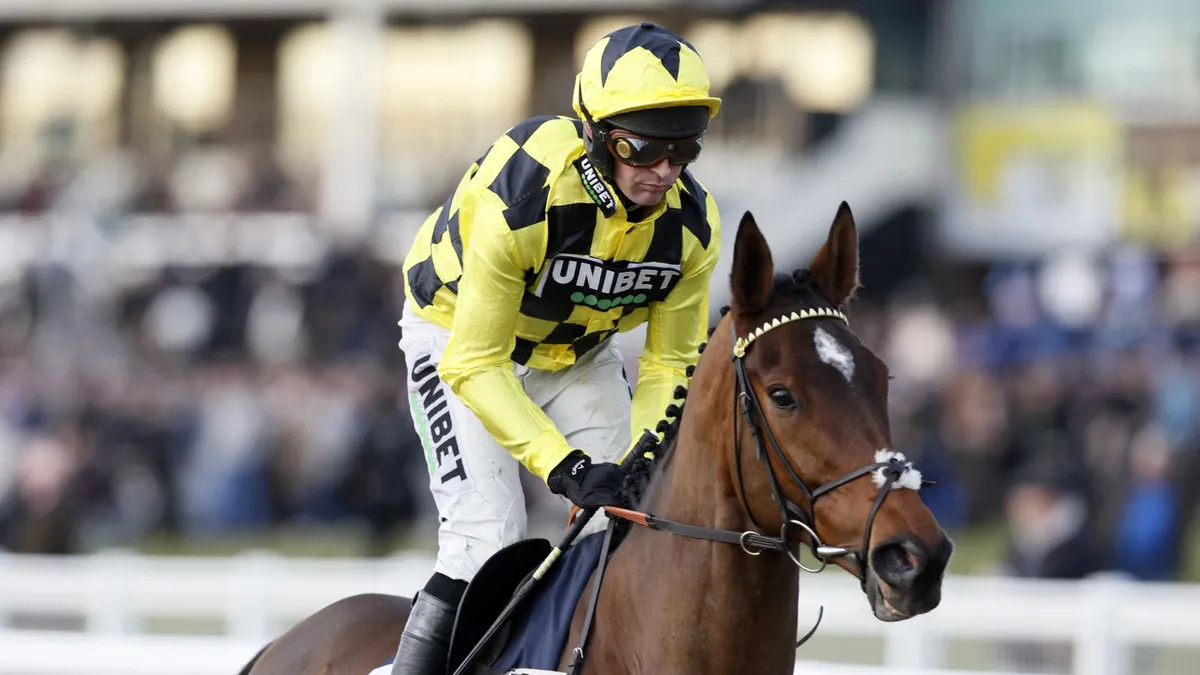
Who is involved
Before the tragic events surrounding Sir Gino, expectations were high for the six-year-old racehorse trained by renowned trainer Nicky Henderson. Sir Gino had established himself as a formidable competitor on the racetrack, winning all seven of his career starts, including three prestigious Grade 1 races and one Grade 2 race. His last race, the Christmas Hurdle, showcased his prowess as he won by an impressive six lengths, solidifying his status as the ante-post favorite for the Champion Hurdle.
However, the decisive moment came during the Unibet Hurdle at Cheltenham in January, where Sir Gino suffered a devastating injury—a broken pelvis. This injury marked a significant turning point in his career and life. Following the injury, he was transferred to the Three Counties Veterinary Clinic for treatment, where it was hoped he would recover. Unfortunately, his condition worsened as he developed severe deep-seated infections during his recovery process.
The direct effects of this unfortunate turn of events were profound. Sir Gino’s injury not only dashed the hopes of his trainer and connections but also left a void in the racing community. Nicky Henderson expressed his sorrow, stating, “We have very sadly lost the battle to overcome Sir Gino’s ailment and he has had to be put to sleep at the veterinary hospital this morning.” This statement highlights the emotional toll that such a loss can have on those involved in the sport.
Henderson further elaborated on the impact of Sir Gino’s death, describing him as “one of the nicest, kindest horses you could ever wish to see” and lamenting that his loss leaves “an awful hole in Seven Barrows.” This sentiment resonates deeply within the racing community, where horses are often seen as more than just athletes; they are companions and friends.
Experts in the field of equine health and racing have weighed in on the implications of Sir Gino’s untimely demise. Kak Person, a prominent figure in the racing world, remarked, “Sir Gino wasn’t just a champion on the track; he was a once-in-a-generation spirit.” This perspective underscores the unique bond that exists between horses and their trainers, as well as the broader impact such losses have on the sport.
Prior to his injury, Sir Gino had overcome a similar infection the previous year, showcasing his resilience and determination. His ability to bounce back had instilled hope in his supporters, making his eventual decline all the more heartbreaking. The racing world had rallied around him, anticipating his return to the track, only to be met with the devastating news of his passing.
As the racing community mourns the loss of Sir Gino, it is essential to reflect on the fragility of life in the world of sports. The highs of victory can swiftly turn into the lows of loss, reminding us all of the delicate balance between triumph and tragedy. Sir Gino’s story serves as a poignant reminder of the dedication, passion, and heart that define the sport of horse racing.
Details remain unconfirmed regarding any potential memorials or tributes planned in honor of Sir Gino, but the impact of his legacy will undoubtedly resonate for years to come. His journey from a promising champion to a beloved figure in the hearts of many is a testament to the profound connections formed in the world of horse racing.