
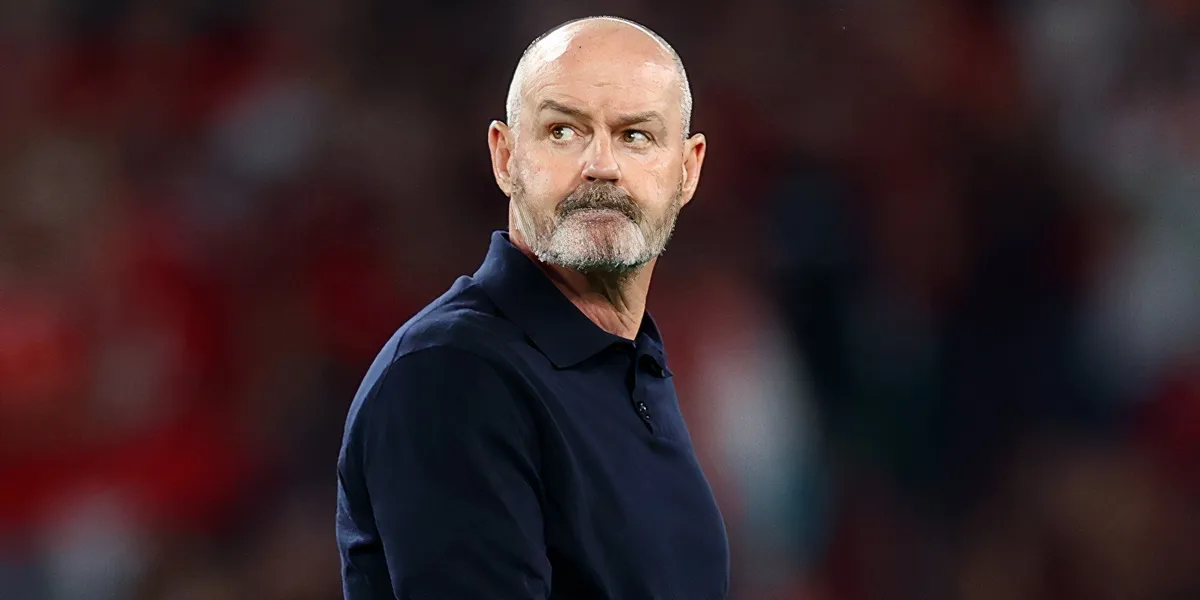
As the dust settles on a historic moment for Scottish football, Steve Clarke has successfully guided Scotland to their first World Cup finals appearance since 1998. This achievement not only marks a significant milestone for the national team but also reignites hope and enthusiasm among fans and players alike.
In the lead-up to this pivotal moment, Calvin Miller, a player who has shown remarkable form, scored eight goals and provided 11 assists this season. However, despite his impressive statistics, Miller was overlooked for national selection by Clarke last month, which has raised eyebrows among supporters and analysts.
Miller’s journey has been a rollercoaster since leaving Celtic in 2020. After a stint at Harrogate Town, he moved to Chesterfield before returning to Scottish football in 2023, initially signing with Morton. His recent performances have led to renewed discussions about his potential inclusion in the national squad.
Reflecting on his omission, Miller stated, “A few people have spoken about me being called up, but I feel like Steve Clarke has had his squad, and now, because I’m doing well, my name’s getting mentioned.” This sentiment captures the tension between individual performance and team selection dynamics.
As Scotland prepares for the upcoming World Cup, the excitement is palpable. However, the implications of Clarke’s decisions extend beyond the pitch. Recently, three councillors called in a decision by the North Ayrshire Council Cabinet regarding a proposed World Cup holiday, which would cost the authority more than £1 million. The additional bank holiday is set for Monday, June 15, and the Audit and Scrutiny Committee will examine the decision taken by the Cabinet.
This situation underscores the broader impact of Clarke’s leadership, not just on the team but on the community and governance surrounding Scottish football. The excitement of the World Cup is intertwined with local politics, illustrating how sports can influence various aspects of society.
As the countdown to the World Cup continues, the narrative surrounding both Clarke and Miller will be closely watched. For Miller, the challenge remains to convert his club success into national recognition, while for Clarke, the pressure mounts to deliver on the grand stage.
Ultimately, the developments surrounding Steve Clarke and the Scottish national team are significant for the future of football in Scotland. The blend of individual talent and strategic management will be crucial as they aim to make a lasting impression on the world stage.