
The numbers
The Strait of Hormuz, a vital maritime corridor through which 20 percent of the world’s oil supplies pass, is at the center of escalating tensions following a ceasefire proposal that Iran has rejected. On April 6, 2026, former President Donald Trump issued a stark warning that Iran’s proposal to end hostilities was insufficient to prevent U.S. threats aimed at destroying Iranian infrastructure unless the Strait is reopened.
Trump set a final deadline for Iran to agree to a deal by 8 PM Washington time on Tuesday, emphasizing that the proposal was a significant step, albeit not good enough. “It’s a significant proposal. It’s a significant step. It’s not good enough, but it’s a very significant step,” Trump stated, reflecting the precarious balance of power in the region.
Iran’s military swiftly dismissed Trump’s warnings as “delusional,” criticizing the rhetoric as baseless threats. The Iranian leadership has called for a permanent end to hostilities rather than a temporary ceasefire, which they deemed unacceptable. Iran’s proposal included ten clauses aimed at addressing regional conflicts and establishing protocols for safe passage through the Strait of Hormuz.
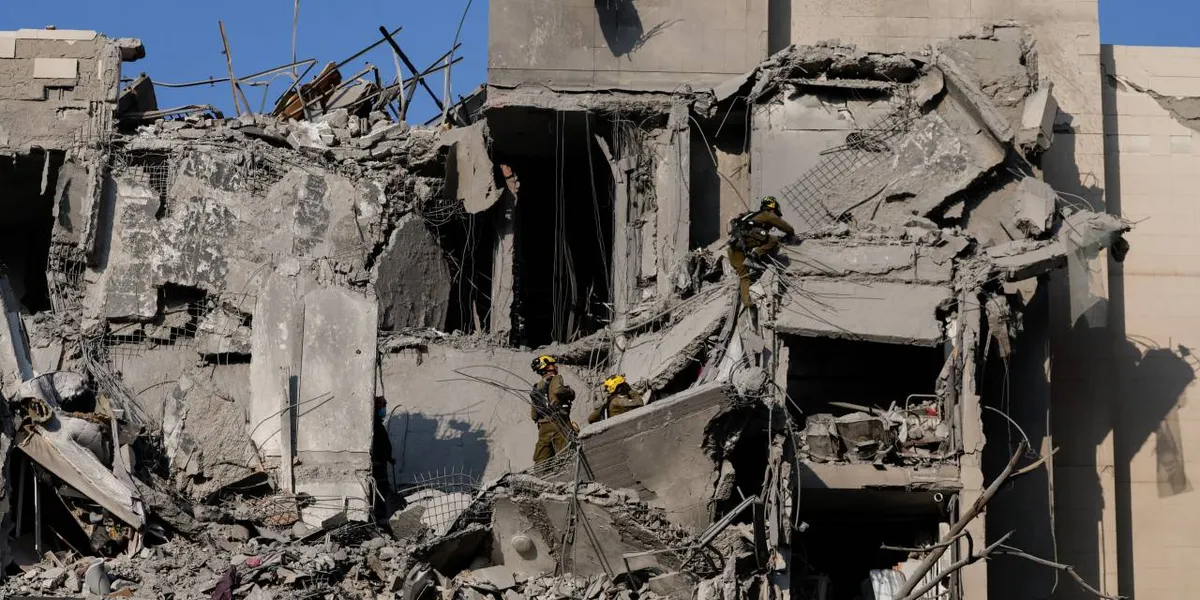
In a related development, Iran’s leadership is currently reviewing a plan for an immediate pause in hostilities sent by Pakistan, which has been acting as a mediator. However, Iran’s rejection of the ceasefire proposal coincided with Israeli strikes on a key petrochemical plant in Iran, further complicating the situation. The extent of the damage from these strikes is still being assessed, adding to the uncertainty surrounding the conflict.
Trump’s threats have escalated tensions, with him stating, “I am blowing up everything over there,” unless a deal is reached. This aggressive stance raises concerns about the potential for military action, which could have dire consequences for regional stability and global oil markets.
Amnesty International has warned that attacking civilian infrastructure could amount to a war crime, highlighting the humanitarian implications of the ongoing conflict. The situation remains fluid, with Iran conveying its official response to the U.S. proposal through Pakistan, indicating a complex web of diplomatic negotiations.
Observers are closely monitoring the developments, particularly whether Iran’s response to the ceasefire proposal will pave the way for a diplomatic solution or lead to further escalation. As the deadline approaches, the international community remains on edge, awaiting clarity on the path forward in this volatile region. Details remain unconfirmed regarding the potential for a diplomatic resolution, leaving many questions unanswered about the future of the Strait of Hormuz and its critical role in global energy supplies.