
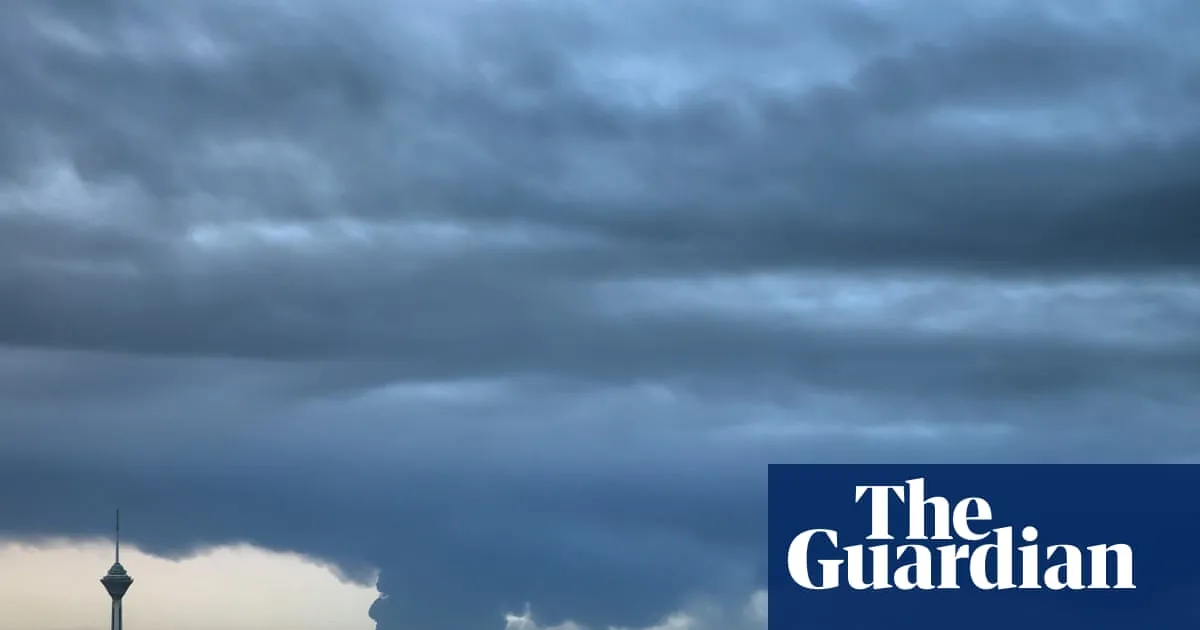
Tehran is grappling with a severe pollution crisis after Israeli bombings on March 7, 2026, ignited toxic fires at oil depots, leading to significant health warnings from global organizations. Satellite images reveal that the fires have produced clouds of smoke filled with pollutants such as soot, oil particles, and sulfur dioxide, blanketing the city.
Residents are reporting alarming health symptoms, including headaches, eye and skin irritation, and difficulty breathing. The head of the World Health Organization, Tedros Adhanom Ghebreyesus, emphasized the potential for severe health impacts, particularly on vulnerable populations such as children and the elderly. “The attack risked contaminating food, water and air – hazards that can have severe health impacts especially on children, older people, and people with pre-existing medical conditions,” he stated.
The Aqdasieh oil depot was still visibly burning ten days after the strikes, highlighting the ongoing environmental disaster. Iran has condemned the attacks as “ecocide,” indicating the severe environmental destruction resulting from the bombings. The United Nations Environment Programme has also warned about the long-term health risks from exposure to smoke and toxic emissions.
Reports indicate that the pollution from these uncontrolled fires may not only affect air quality but could also contaminate soil and water supplies, posing a risk to food safety. “Pollution from uncontrolled fires may also enter soil and water, leach into groundwater, and be absorbed by crops, contaminating food supplies,” warned observers.
Tehran has long struggled with chronic air pollution, exacerbated by the use of low-quality heating oil. The current crisis has sparked a turning point among some anti-regime residents, who are increasingly vocal about their grievances. Symptoms reported by residents are consistent with exposure to oil fires, which produce harmful compounds that could lead to further health complications.
As the city continues to deal with the fallout from the bombings, the air quality has been described as unbreathable for years, raising urgent concerns about public health. The smoke from burning oil could have dire implications for the city’s already strained environmental conditions.
Details remain unconfirmed regarding the full extent of the damage and the long-term effects on the population. However, the situation in Tehran underscores the urgent need for international attention and action to address the environmental and health crises stemming from the recent attacks.