
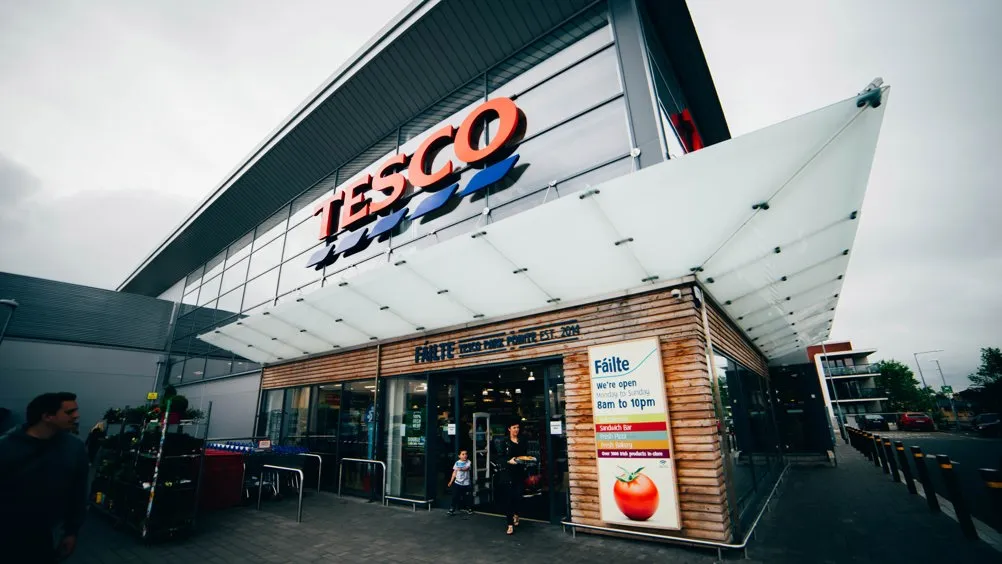
The Tesco equal pay tribunal is set to begin on May 1, 2026, in Reading, UK, as over 60,000 shop workers challenge the company’s pay practices that allegedly favour distribution centre employees. This case has the potential to reshape expectations surrounding equal pay within the retail sector and could impose significant financial repercussions on Tesco.
Before this tribunal, Tesco maintained a prevailing belief that its pay structure was justified based on market conditions and operational needs. The company argued that it compensated store workers less than their distribution centre counterparts due to commercial interests rather than any discriminatory practices.
However, the decisive moment emerged when claimants represented by Leigh Day contended that Tesco had extensive control over its pay-setting mechanisms and thus bore responsibility for any resultant disparities. They allege that the wage difference—approximately £5.50 per hour—reflects a systemic issue rather than isolated decisions based on economic realities.
The implications of this case extend beyond mere financial figures; experts suggest that a ruling against Tesco could ignite industrial action among warehouse staff who might feel compelled to protest against perceived injustices in their own compensation structures. The potential cost to Tesco is estimated at £4 billion, covering six years of back pay from 2012 to 2018 for those involved.
According to sources close to the case, Paula Lee of Leigh Day stated, “Our clients believe the evidence will show that there is no lawful justification for continuing to pay predominantly female store workers less for work of equal value.” This assertion highlights the broader societal issues tied to the gender pay gap and raises questions about how companies like Tesco can align their practices with evolving legal standards.
As the tribunal unfolds, key facts will emerge regarding Tesco’s defence strategy. Notably, the company has claimed that equalising wages could lead to severe operational disruptions—a stance that may be scrutinised closely by both legal experts and public opinion alike. The outcomes may not only affect current employees but also set a precedent for future equal pay claims across various sectors.
A judgment is expected later this year, marking a critical juncture in the ongoing discourse about fair compensation practices in retail and possibly influencing similar cases nationwide.