
Introduction
The Avatar franchise, created by James Cameron, has significantly shaped the landscape of modern cinema and technology since its inception. Released in 2009, the original film not only became the highest-grossing film of all time but also revolutionised 3D filmmaking. This article explores the cultural importance of Avatar and what its future holds in terms of sequels and technological advancements.
The Original Film’s Impact
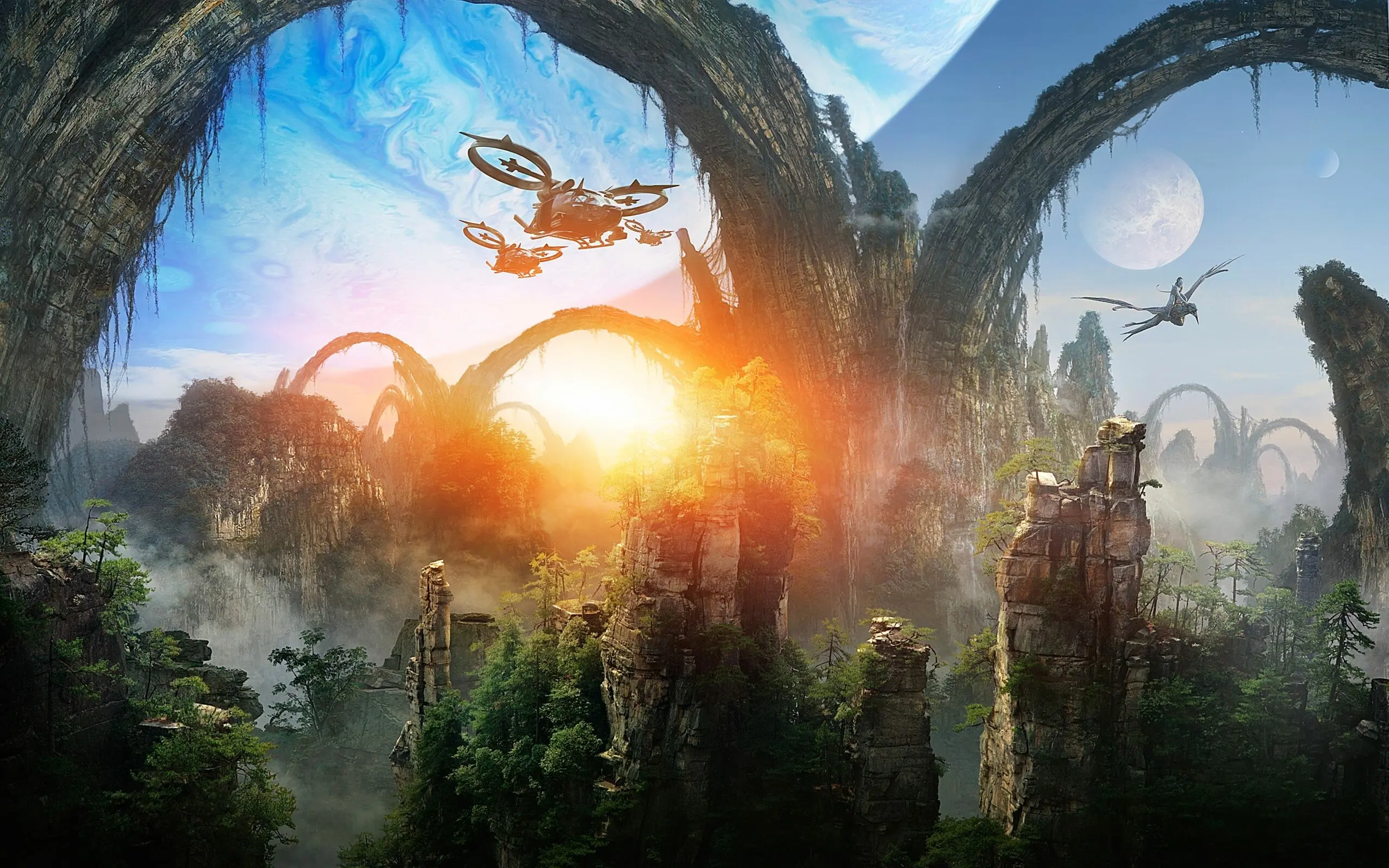
Upon its release, Avatar was lauded for its groundbreaking visual effects, which were made possible through innovative motion capture technology and computer-generated imagery (CGI). The depiction of the fictional world of Pandora captivated audiences and heightened the expectations for visual storytelling in cinema. It led to the proliferation of 3D technology in theatres worldwide, influencing a generation of filmmakers.
The film’s themes of environmentalism, colonialism, and the relationship between humanity and nature sparked conversations among audiences and critics alike. Avatar challenged viewers to consider the consequences of their actions and the importance of biodiversity.
Sequels and Expanding the Universe
Recently, the anticipation for Avatar’s sequels has been immense. With the release of Avatar: The Way of Water in December 2022, fans eagerly embraced a continuing narrative centred on the Sully family and the exploration of new elements of Pandora. This sequel, combined with several more planned films, suggests a long-term investment in the Avatar universe.
Producers have estimated that future sequels will delve deeper into the cultures of Pandora’s inhabitants, further developing themes of sustainability and co-existence. Keeping in line with the original, these films aim not only to entertain but also to educate audiences about pressing global issues.
Technological Innovations
The Avatar franchise continues to be at the forefront of technological exploration. The use of advanced motion capture techniques and underwater filming was further refined in the sequel. These innovations set new benchmarks for the film industry, inspiring both blockbuster films and independent creators alike.
Additionally, Avatar’s foray into virtual reality (VR) and augmented reality (AR) experiences continues to grow. The franchise’s creators are exploring interactive environments to immerse fans further, marking a shift in how audiences engage with cinematic narratives.
Conclusion
The Avatar franchise’s cultural significance cannot be understated. Its impact reaches beyond mere box office success, affecting environmental discourse and technological standards within the film industry. As we look ahead, the future of Avatar promises to be as visually stunning and narratively rich as its predecessor. As filmmakers and audiences continue to push creative boundaries, Avatar stands as a beacon of innovation, reminding us of cinema’s potential to tell profound stories that challenge our perceptions of reality.