
Introduction
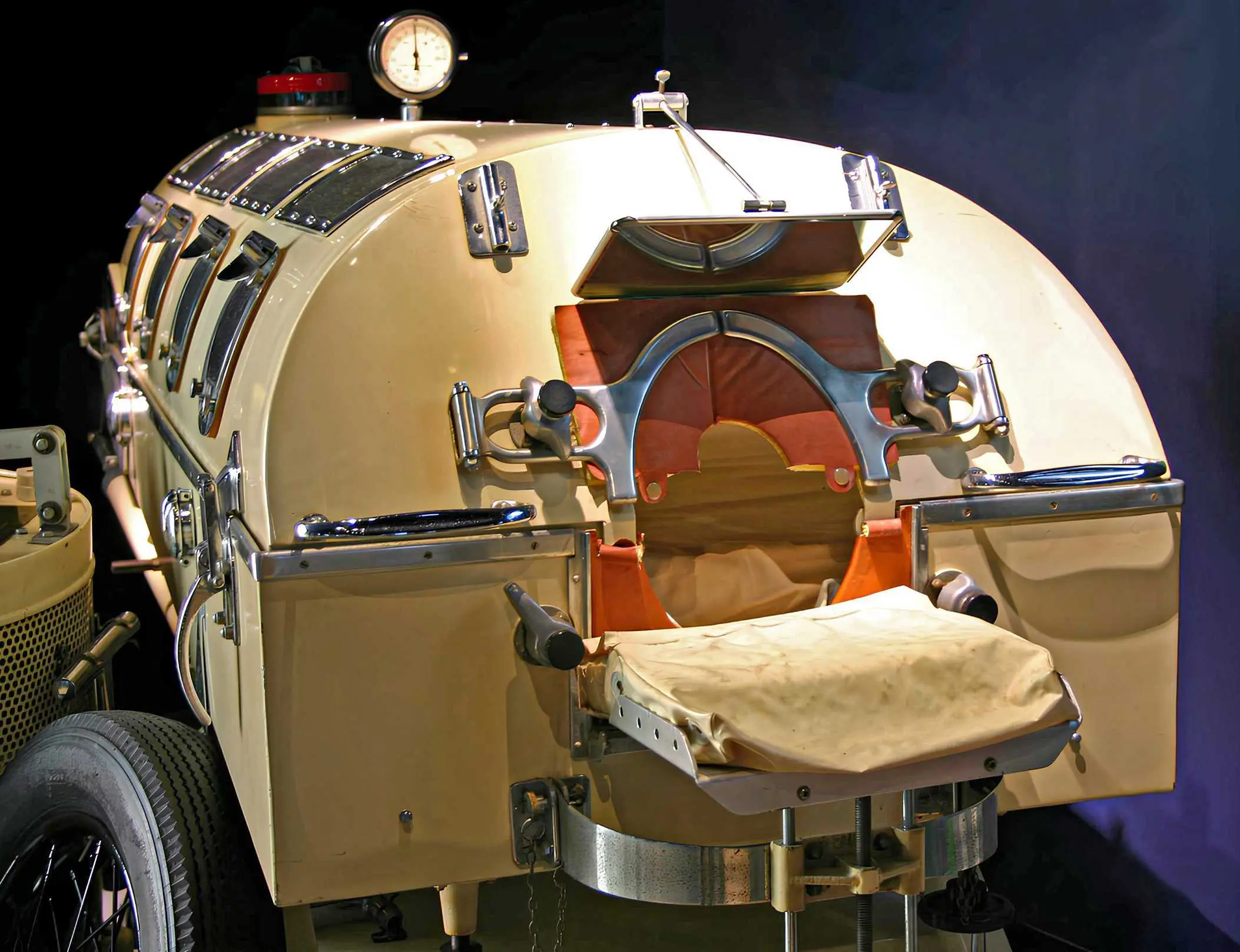
The iron lung, a mechanical respirator, is often remembered as a relic from the polio epidemics of the mid-20th century. Although largely phased out in favour of more advanced technologies, the iron lung’s significance in contemporary medicine remains relevant. During recent health crises, particularly with the COVID-19 pandemic, many have rediscovered the value of historical medical devices in treating respiratory failure.
Historical Context
Developed in the 1920s, the iron lung became crucial during polio outbreaks, helping to support patients whose respiratory muscles were paralysed. The device encased the patient’s body, creating a negative pressure environment that mimicked natural breathing. In its prime, thousands depended on this invention to survive life-threatening respiratory issues.
Recent Resurgence during COVID-19
The COVID-19 pandemic highlighted the ongoing relevance of the iron lung. With hospitals facing equipment shortages, a few institutions and enthusiasts sought to resurrect these historical devices as a potential solution for acute respiratory distress. Although modern ventilators are more compact and versatile, the iron lung serves as a reminder of the ingenuity in medical history and the necessity of having diverse options for patient care.
Current Developments and Future Implications
Recently, several healthcare professionals and engineers have begun to explore the possibility of integrating the principles of the iron lung into modern respiratory support systems. While the iron lung itself may not make a widespread comeback, the device’s mechanical principles inspire the ongoing development of more effective life-support technologies. Furthermore, as awareness of the long-term effects of respiratory diseases grows, revisiting older technologies may provide insights into better patient management.
Conclusion
The iron lung may no longer dominate as a primary ventilation solution, but its legacy endures in the advancements of respiratory care. As medical technology evolves, the lessons learned from historical devices remain an important foundation for innovative approaches to patient treatment. The iron lung’s revival, albeit in conceptual view, reminds us of the resilience of medical science and the continuous need for effective solutions in times of crisis.