
Introduction
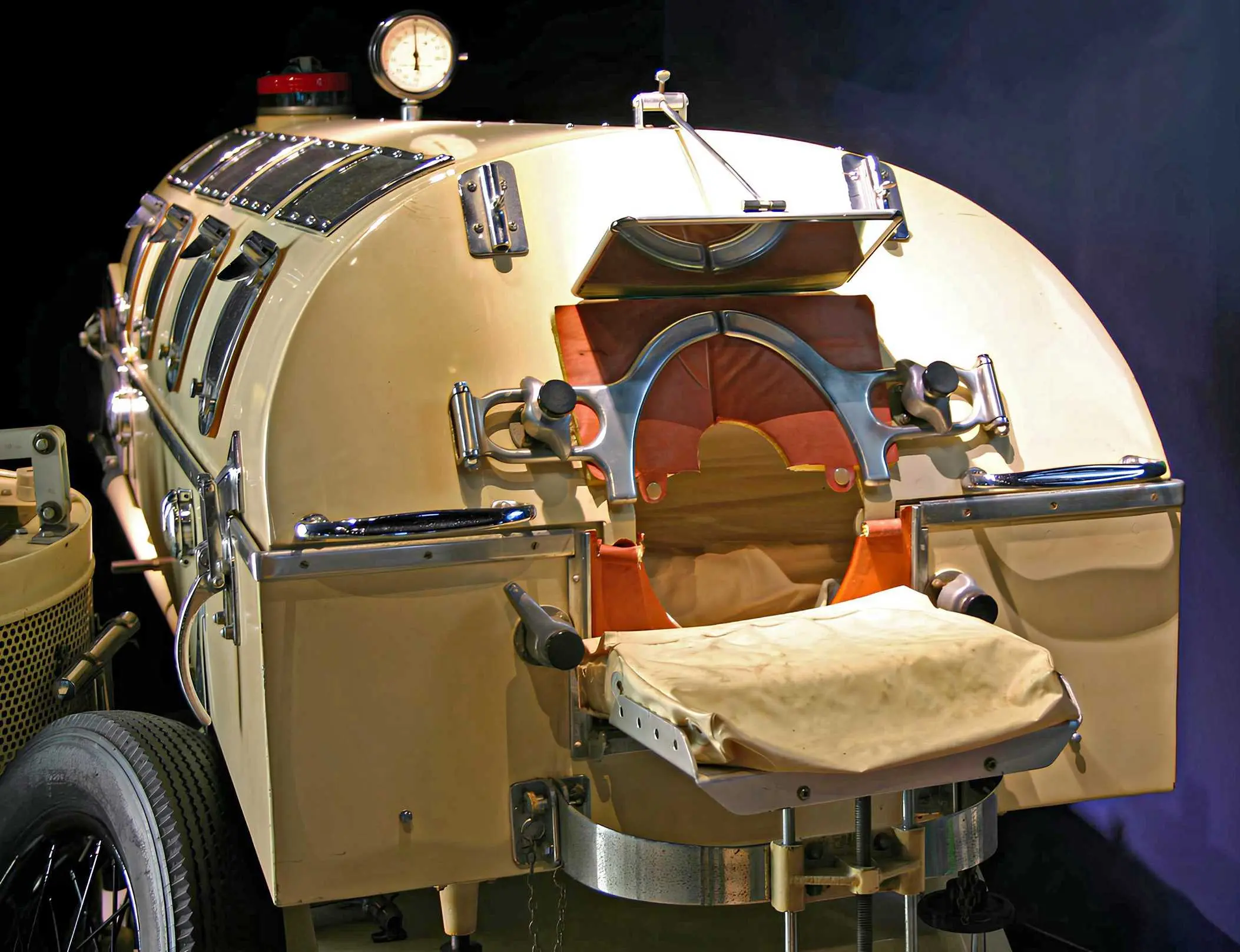
The iron lung, a mechanical respirator that became well-known during the polio epidemics of the 20th century, is experiencing a resurgence in interest as the number of polio survivors increases. With long-term effects of polio and the rare cases of recent outbreaks, the iron lung has taken on new importance as a symbol of endurance and survival against respiratory challenges. This nostalgic device, once the forefront of respiratory technology, serves as a reminder of the advances in medicine while also highlighting the ongoing needs of polio survivors.
Understanding the Iron Lung
The iron lung, or negative pressure ventilator, was designed to assist patients who suffered from respiratory failure due to polio, allowing them to breathe without using their diaphragm. Its cylindrical shape encased the patient’s body, with only their head exposed, creating a vacuum to draw air into the lungs. Despite advances in ventilatory support, many polio survivors rely on iron lungs to this day due to polio’s debilitating effect on their respiratory muscles.
Recent Developments and Renewed Interest
In recent months, the resurgence of interest in the iron lung can be attributed to several factors, including the COVID-19 pandemic, which spotlighted respiratory care devices and their importance. As healthcare systems faced unprecedented challenges, the iron lung was highlighted for its historical significance and potential applicability for long-term polio survivors. Moreover, the rise in new polio cases in various parts of the world has rekindled conversations about the effectiveness and reliability of iron lungs.
Community Support and Advocacy
Organizations and advocates within the polio community are working diligently to ensure that polio survivors have access to the necessary resources, including iron lungs. Funding initiatives and crowdfunding efforts are becoming more common to support those who rely on these machines. Additionally, awareness campaigns aim to shed light on the struggles faced by polio survivors, emphasizing the importance of historical medical technologies and pushing for further research into effective treatments.
Conclusion
The iron lung, while a relic of the past, remains significant for many polio survivors today. As interest rekindles, it encourages better dialogue about the needs of this unique patient population, ensuring that their voices are heard and that necessary resources are made available to them. As polio eradication efforts and surveillance continue, the story of the iron lung serves as a hopeful reminder of resilience, innovation, and the enduring human spirit in the face of adversity.