
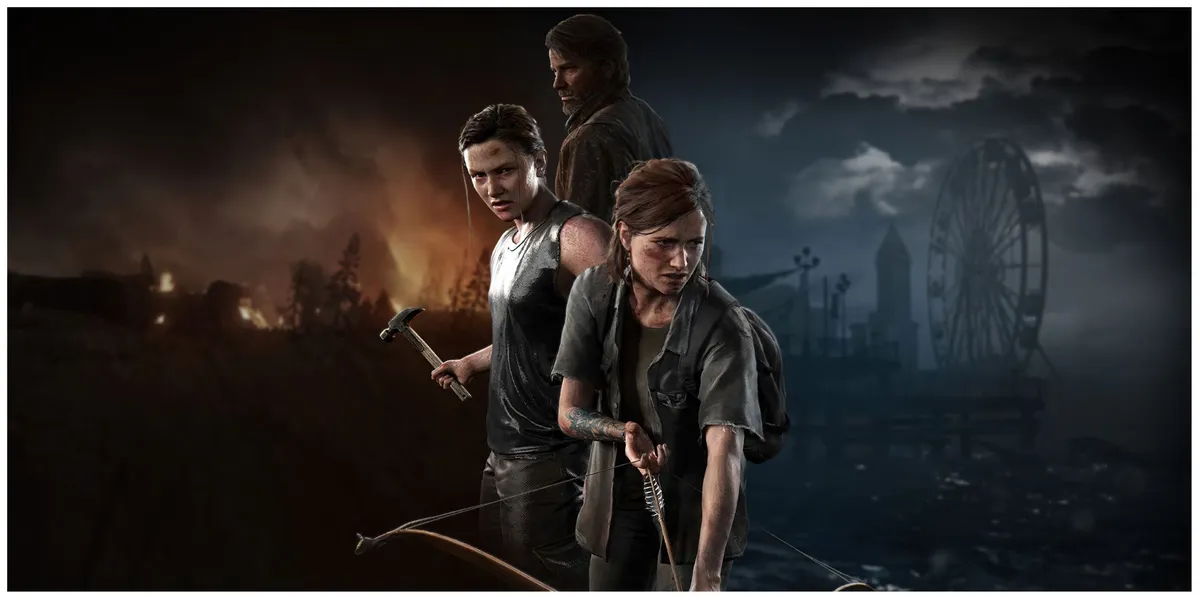
The Last of Us: Six Years Later and the Impact on Gaming
Six years after the release of The Last of Us Part 2, the game remains a significant touchstone in the gaming community, influencing both developers and players alike. The game’s impact is evident in the recent release of Parseword, a follow-up game by Josh Wardle, who gained fame for creating Wordle. Parseword, which offers one puzzle per day, incorporates mechanics reminiscent of cryptic crossword clues, showcasing the innovative spirit that The Last of Us has inspired.
Wardle has openly acknowledged the influence of The Last of Us showrunner Craig Mazin in his development of Parseword. He mentioned in an interview with The New Yorker that he was inspired by Mazin’s discussion on the logic behind cryptic puzzles during a podcast. This connection highlights how the storytelling and creative processes in The Last of Us resonate beyond its own medium, encouraging new forms of engagement in gaming.
Despite the success of The Last of Us Part 2, which was released in 2020, there is currently no widespread demand for a third installment. This absence of anticipation suggests that while the game has left a lasting legacy, the gaming community is also looking towards new narratives and experiences. The industry is evolving, and developers are exploring fresh ideas rather than relying solely on established franchises.
In the context of new game releases, Intergalactic: The Heretic Prophet is another title that has emerged, albeit with a challenging reputation following a failed triple-A launch. As noted by industry observer Rosti, “It’s going to be very interesting to see how well Intergalactic: The Heretic Prophet turns out because it’s already six years since The Last Of Us Part 2 and it’ll take a long time to rebuild a reputation after even just one failed triple-A game.” This statement underscores the high stakes involved in game development today, especially in the shadow of successful titles like The Last of Us.
As the gaming landscape continues to shift, the influence of The Last of Us is likely to persist, inspiring both new projects and discussions about narrative depth and player engagement. Developers are increasingly challenged to create experiences that resonate with audiences while also pushing the boundaries of gameplay mechanics. The legacy of The Last of Us serves as a benchmark for quality and innovation in the industry.
While Parseword and other new games reflect the ongoing evolution of gaming, the community remains curious about the future of The Last of Us franchise. Details remain unconfirmed regarding any potential new installments or expansions, leaving fans to speculate on what direction the series might take next.
In summary, the impact of The Last of Us continues to shape the gaming industry, inspiring new ideas and projects while also setting a high standard for narrative and gameplay. As developers navigate the complexities of the market, the influence of this iconic title will likely remain a pivotal point of reference for years to come.