
Introduction
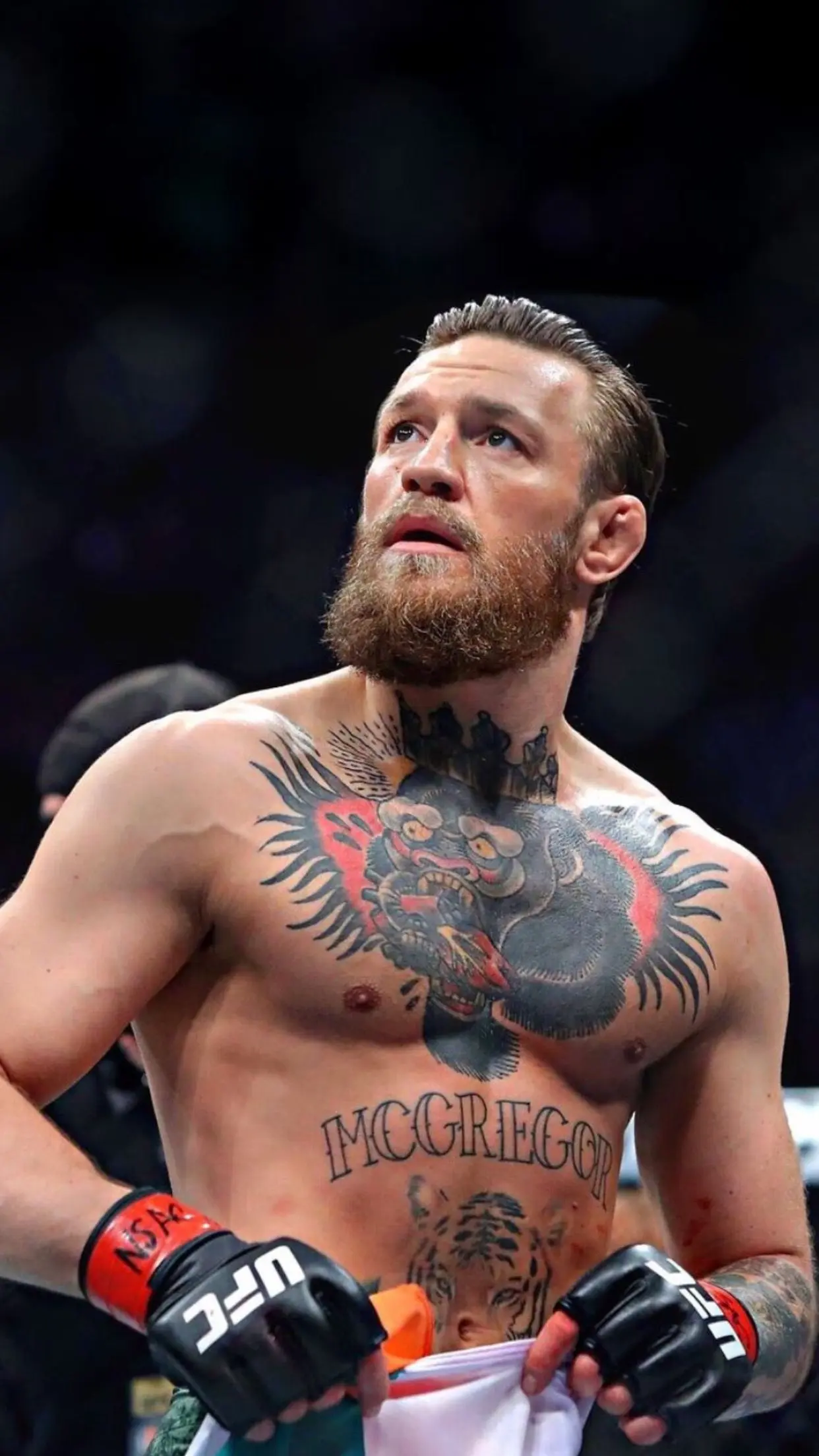
Conor McGregor, a household name in mixed martial arts (MMA), has become one of the most prominent athletes globally. His impact stretches beyond the octagon, transcending sports to become a cultural icon. Understanding his journey provides insight into the evolution of MMA and the world of sports marketing. McGregor’s persona, fight strategies, and entrepreneurial ventures have not only revolutionised the UFC but also influenced countless aspiring fighters.
McGregor’s Career Milestones
Born on July 14, 1988, in Dublin, Ireland, McGregor began his career in MMA with Cage Warriors, where he showcased his striking abilities and tactical prowess. In 2013, he made his UFC debut and quickly rose through the ranks, becoming the first fighter in UFC history to hold titles in two weight divisions simultaneously—featherweight and lightweight.
His first title win came against José Aldo in December 2015, where he claimed the featherweight belt in just 13 seconds, marking one of the fastest knockouts in UFC history. In 2016, he made headlines again by capturing the lightweight title, solidifying his status as a groundbreaking champion. His bouts have garnered millions in pay-per-view sales, making him one of the highest-paid athletes in the world.
Controversies and Comebacks
Despite his immense success, McGregor’s career has been marred by controversies, including legal issues and public altercations. Notably, his clash with Khabib Nurmagomedov in 2018 ignited one of the most talked-about rivalries in sports history, culminating in a highly publicized fight that McGregor lost. However, his resilience has kept fans and critics engaged, leading to ongoing interest in his next moves.
Recently, McGregor has been working towards a comeback in the UFC after recovering from injuries sustained during a fight with Dustin Poirier. His discipline in training and relentless pursuit of victory have kept the MMA community buzzing with anticipation about his return to the octagon.
Entrepreneurial Ventures
Beyond fighting, McGregor has successfully ventured into business, establishing his whiskey brand, Proper No. Twelve, which quickly gained popularity worldwide. He has also launched various clothing lines and continues to engage in lucrative sponsorships and appearances, showcasing his ability to leverage fame into profitable business opportunities.
Conclusion
As Conor McGregor continues to evolve both in the ring and as an entrepreneur, his influence remains significant in the sports arena and beyond. Fans eagerly await his return to the UFC, and analysts speculate on what lies ahead for the charismatic fighter. Regardless of future outcomes, McGregor’s legacy as a trailblazer in MMA and a savvy business executive would set a precedent for future athletes striving for greatness.