
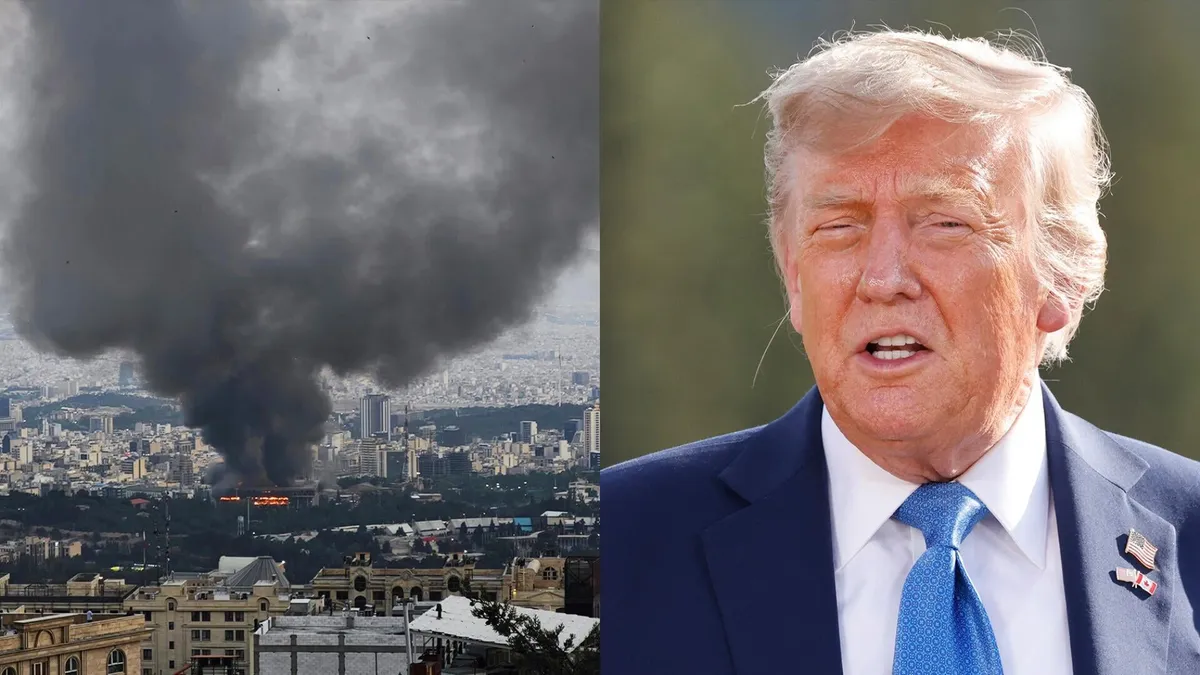
“We could leave right now, and it would take them 15 years to rebuild what they have,” remarked former President Donald Trump, underscoring the extensive damage inflicted by ongoing military operations in Iran. This statement reflects the stark realities of the conflict, where destruction begets a long-term rebuilding process.
Trump’s comments come amid a backdrop of escalating tensions between the United States and Iran, particularly following recent military actions. The Israeli military has intensified its operations, notably striking Iran’s largest petrochemical facility in Asaluyeh, which has resulted in significant economic damage. Additionally, the assassination of General Majid Khademi, head of the Islamic Revolutionary Guards’ intelligence organization, in Tehran, has further complicated the situation.
As the conflict rages on, Iran has firmly rejected calls for a ceasefire, insisting instead on a permanent resolution on its own terms. This refusal highlights the deep-seated animosities and the complexities surrounding negotiations in the region.
Trump has also issued a stark warning regarding the potential for further US military action, stating that the US could target Iran’s energy and transportation infrastructure if the Strait of Hormuz is not reopened by the deadline. This statement emphasizes the strategic importance of the Strait, a vital passage for global oil shipments.
The war shows no sign of easing ahead of Trump’s Iran deadline, with both sides entrenched in their positions. The ongoing military campaign by the US and its allies, particularly Israel, indicates a willingness to escalate the conflict rather than seek diplomatic solutions.
Trump’s remarks highlight the ongoing US military campaign in Iran, which has been characterized by a series of aggressive actions aimed at curbing Iranian influence in the region. The implications of such military strategies are profound, as they suggest a long-term commitment to a conflict that has already resulted in significant loss of life and economic hardship.
As the situation develops, the international community watches closely, aware that any miscalculation could lead to a broader confrontation. The stakes are high, with both military and economic repercussions hanging in the balance.
Details remain unconfirmed regarding the full extent of the damage and the potential for diplomatic negotiations. As tensions continue to escalate, the future of US-Iran relations remains uncertain, with both sides preparing for a protracted struggle.