
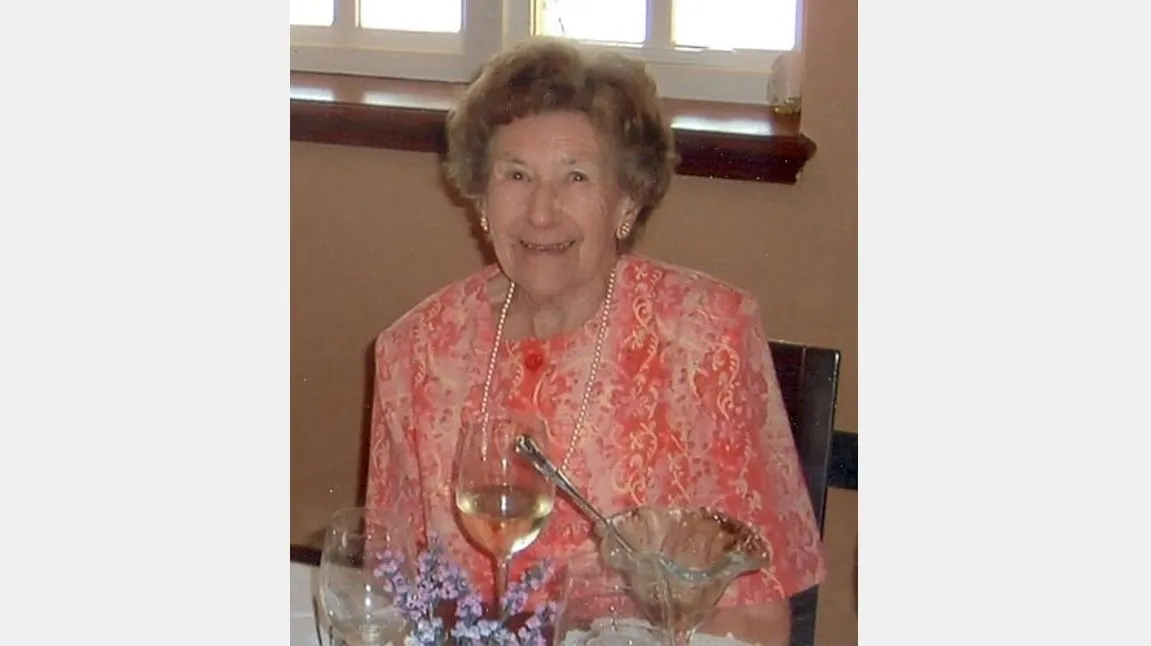
In a significant development, David Newton has been sentenced to a minimum of 21 years in prison for the murder of 86-year-old Una Crown, a former postmistress, in Wisbech, Cambridgeshire, on January 12, 2013. The case, which remained unsolved for over a decade, was reopened due to advancements in DNA technology, leading to Newton’s arrest.
Newton, who was known to Crown and had assisted her with DIY tasks, brutally stabbed her multiple times before setting her body on fire. Crown’s body was discovered by her nephew-in-law the following day, prompting an initial police investigation that failed to treat the death as suspicious.
It wasn’t until DNA evidence was found under Crown’s fingernails that the investigation took a decisive turn. This evidence ultimately linked Newton to the crime, resulting in his conviction after a two-week trial at Cambridge Crown Court. The jury delivered a majority verdict of 10-2 against him.
Judge Justice Neil Garnham described the attack as “ferocious and sustained” against a defenseless elderly woman. He noted Newton’s troubling history of entering others’ homes uninvited, seeking conversation and company, which painted a disturbing picture of his character.
Detective Superintendent Iain Moor remarked, “For more than a decade David Newton thought he had gotten away with this most horrendous crime.” This sentiment reflects the frustration felt by investigators and Crown’s family during the lengthy period of uncertainty surrounding the case.
The initial mishandling of the investigation raised questions about police procedures, with Prosecutor John Price stating, “Even with the benefit of hindsight, it may seem difficult to understand how those officers managed to persuade themselves that this death should not be treated as suspicious.” This oversight contributed to the prolonged suffering of Crown’s family.
As the case gained renewed attention, it was featured in two episodes of the documentary series “24 Hours in Police Custody,” shedding light on the complexities of the investigation and the eventual breakthrough.
In the wake of the sentencing, Crown’s family expressed relief that justice has finally been served, allowing them to begin the healing process after years of anguish. The case serves as a stark reminder of the importance of thorough investigations and the potential for justice, even after many years.
As the community reflects on this tragic event, the legacy of Una Crown, described as a “feisty” and independent woman, will endure, reminding us of the fragility of life and the enduring quest for justice.