
Introduction
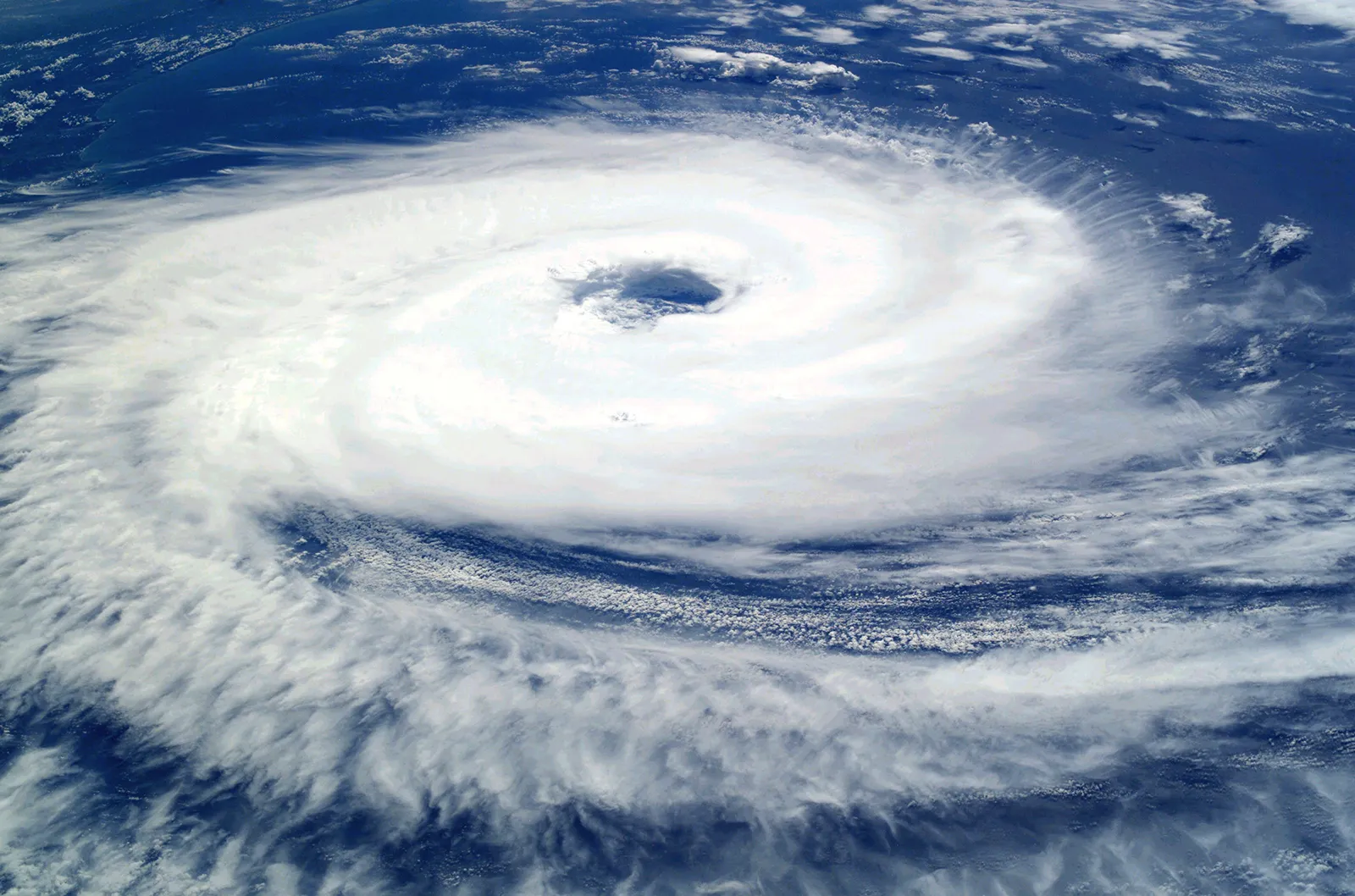
Cyclones are among the most powerful and destructive natural disasters, capable of causing significant damage to communities and ecosystems. As climate change intensifies, the frequency and intensity of cyclones are also increasing, making it crucial for societies to understand their impacts and implement effective responses.
The Recent Cyclones
In the past few months, several regions around the world have experienced devastating cyclones. Notably, Cyclone Mocha struck the Bay of Bengal in May 2023, affecting parts of Myanmar and Bangladesh. With winds gusting up to 200 km/h, Mocha caused widespread destruction, displacing thousands and causing severe flooding.
Moreover, Cyclone Freddy, which spanned from February to March 2023, was reported as one of the longest-lasting tropical cyclones in world history, making landfall in Madagascar and later affecting Mozambique. The storm left at least 600 dead and hundreds of thousands homeless across the region, highlighting the serious threats posed by these weather phenomena.
Impact on Communities
The impact of cyclones goes beyond immediate physical damage. Economies can suffer long-term setbacks due to infrastructure destruction, loss of livelihoods, and escalation of food insecurity. Areas depend heavily on agriculture, such as those in Southern Africa, face serious challenges in food production and distribution following cyclones, exacerbating the existing vulnerability among local populations.
Preparedness and Response
To mitigate the effects of cyclones, it is essential for communities to enhance their preparedness and response strategies. This includes investing in early warning systems, creating robust evacuation plans, and improving infrastructure resilience. Governments and non-governmental organizations have increasingly focused on funding disaster risk reduction initiatives to build adaptive capacities in vulnerable regions.
Conclusion
The recent cyclones serve as a stark reminder of the growing impact of climate change. As global temperatures rise, the intensity of cyclones is expected to increase, making it imperative for nations to collaborate on disaster preparedness initiatives and climate resilience strategies. By understanding the challenges posed by cyclones and responding proactively, communities can reduce the risks and safeguard lives in the face of future storms.