
Importance of Weather Warnings for Snow
Weather warnings regarding snow are crucial for ensuring public safety, particularly during winter months when heavy snowfall can disrupt daily life and pose significant hazards. As the UK experiences more frequent snow events due to climate patterns, understanding these warnings is essential for preparing adequately and responding effectively.
Recent Developments in Snow Weather Warnings
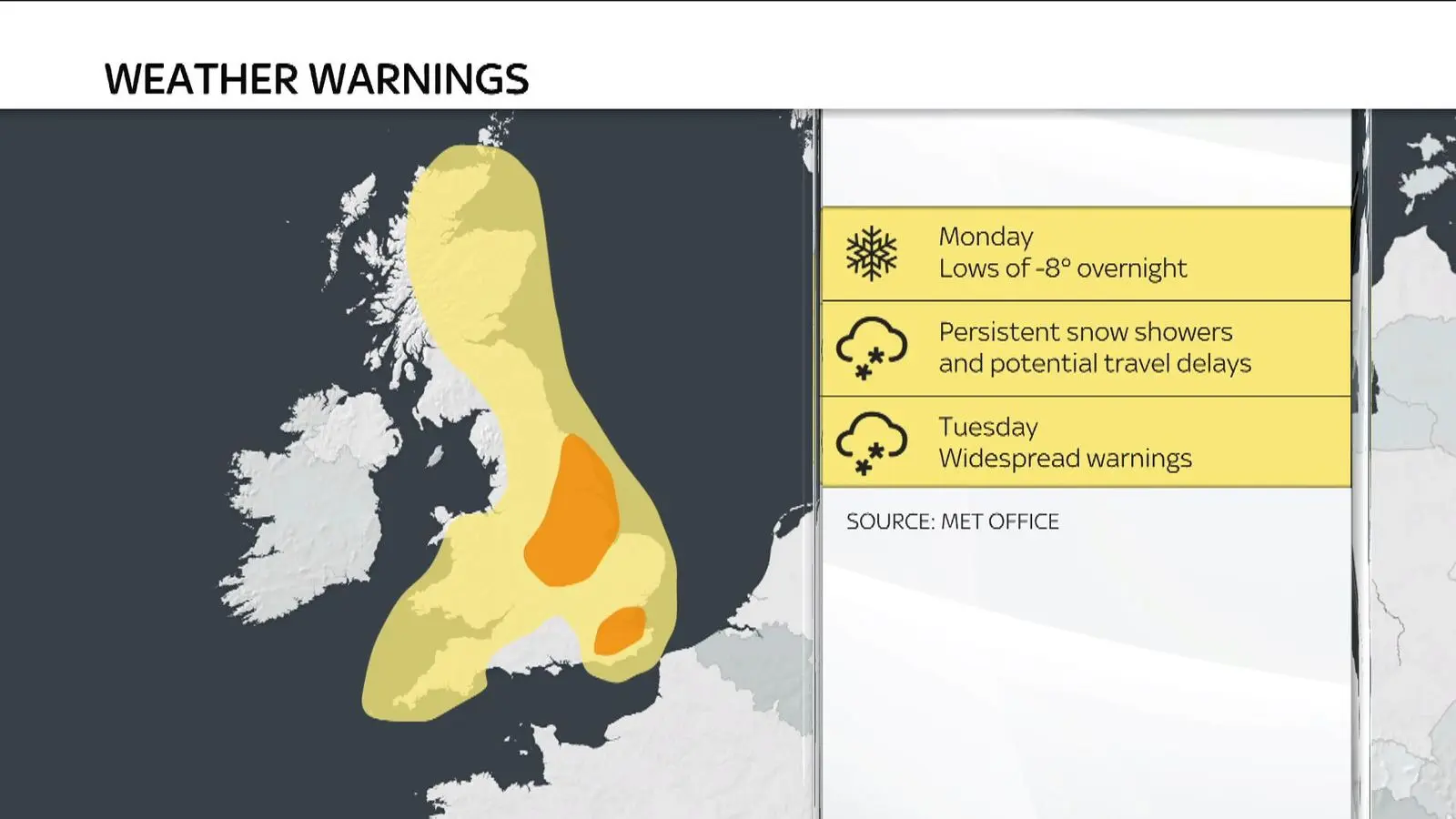
As of October 2023, the Met Office has issued several weather warnings across various regions in the UK, signalling potential snowfall and adverse conditions. Areas such as Scotland and Northern England have reported significant snowfall, leading to travel disruptions and delayed public services. The Met Office employs a colour-coding system: yellow for advice, amber for potential disruption, and red for emergencies requiring immediate action. Local authorities are prepared to respond with gritting of roads and ensuring public services are minimally affected.
What Do the Warnings Mean?
A yellow weather warning indicates that snowfall may cause some disruption but is not likely to have a severe impact. However, an amber warning suggests more serious conditions, with the potential for lengthy travel delays and increased risk of accidents. A red warning is reserved for extreme scenarios, where heavy snow can lead to widespread impact, and it is strongly advised to avoid travel.
How to Stay Safe During Snow Weather Alerts
During snow warnings, individuals are encouraged to remain informed through local news outlets and the Met Office app. It is essential to keep emergency supplies stocked, including food, water, and a battery-powered radio. Drivers should ensure their vehicles are winter-ready, with appropriate tyres and emergency kits onboard. In some cases, it may be necessary for businesses to allow employees to work from home if travel is deemed unsafe.
Looking Ahead: Future of Weather Predictions
As snow events become increasingly common, advancements in meteorological technology are helping to improve the accuracy of weather predictions. This progress allows for more timely warnings and better preparation for the public. Governments and emergency services are urged to enhance their response strategies, integrating real-time data with community preparedness initiatives.
Conclusion
Understanding weather warnings for snow is vital for the safety and preparedness of communities across the UK. By staying informed and ready to act on warnings issued by the Met Office, residents can protect themselves and their families from the adverse effects of severe winter weather. With ongoing technological improvements, future predictions will likely become more reliable, allowing for even better preparedness in facing snow-related challenges.