
The wider picture
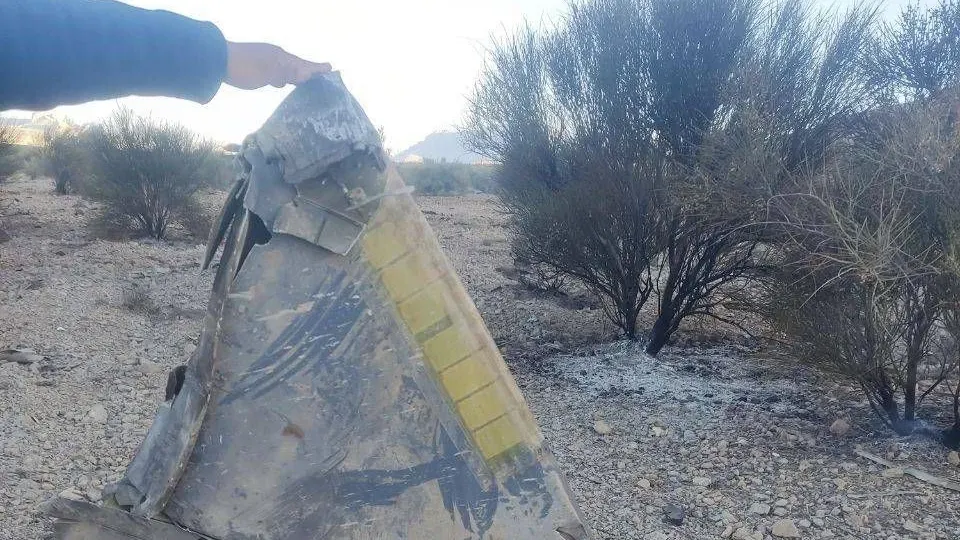
The recent downing of a US F-15E jet in Iran marks a significant escalation in the ongoing tensions between the two nations. Historically, Iran has frequently claimed to have downed American aircraft during various conflicts, yet this incident has drawn particular attention due to the circumstances surrounding it. The geopolitical landscape has been fraught with animosity, especially in the wake of military operations and sanctions that have strained relations further.
On a Friday, reports emerged that the F-15E was shot down by Iranian fire, resulting in a complex rescue operation for the two pilots aboard. Fortunately, both were rescued, but the situation took a dire turn as one crew member remains missing and is currently being pursued by Iranian forces. The urgency of the search reflects not only the immediate concern for the pilot’s safety but also the broader implications for US-Iran relations.
In a dramatic twist, two Blackhawk helicopters involved in the rescue operation were also targeted by Iranian fire but managed to escape without sustaining significant damage. This incident highlights the perilous nature of military operations in hostile territories, where the risks are compounded by the presence of enemy forces actively engaging US assets.
Iranian state media has intensified the situation by offering a reward for the capture of the downed US pilot. The statement, “If you capture the enemy pilot or pilots alive and hand them over to the police, you will receive a precious prize,” underscores the Iranian government’s stance and its willingness to leverage the incident for propaganda purposes. Such declarations could further inflame tensions and complicate diplomatic efforts.
In the aftermath of the incident, US officials have expressed relief that one servicemember has been found and rescued. Senator Tammy Duckworth remarked, “It’s a relief one servicemember has been found and rescued, and I’m grateful for those risking their lives to look for the one who remains missing.” This sentiment reflects the broader concern for the safety of military personnel deployed in volatile regions.
As the situation unfolds, experts emphasize the importance of intelligence in such operations. Houston Cantwell, a military analyst, stated, “The best intelligence you’re going to get is as you’re floating to the ground,” highlighting the precariousness of gathering information during a rescue. He further noted, “Your best view of where you may want to go or where you may want to avoid is while you’re coming down in your parachute,” illustrating the challenges faced by pilots in hostile environments.
Details remain unconfirmed regarding the exact circumstances surrounding the downing of the aircraft, leaving many questions unanswered. The status and whereabouts of the missing F-15E crew member are not publicly known, adding to the uncertainty that surrounds this incident. As the US government continues to monitor the situation closely, observers are left to ponder the potential ramifications for military engagement in the region and the ongoing conflict.
This incident serves as a stark reminder of the volatile nature of international military operations and the ever-present risks faced by servicemembers. As the search for the missing pilot continues, the world watches closely, aware that each development could shift the balance of power in an already tense geopolitical landscape.