
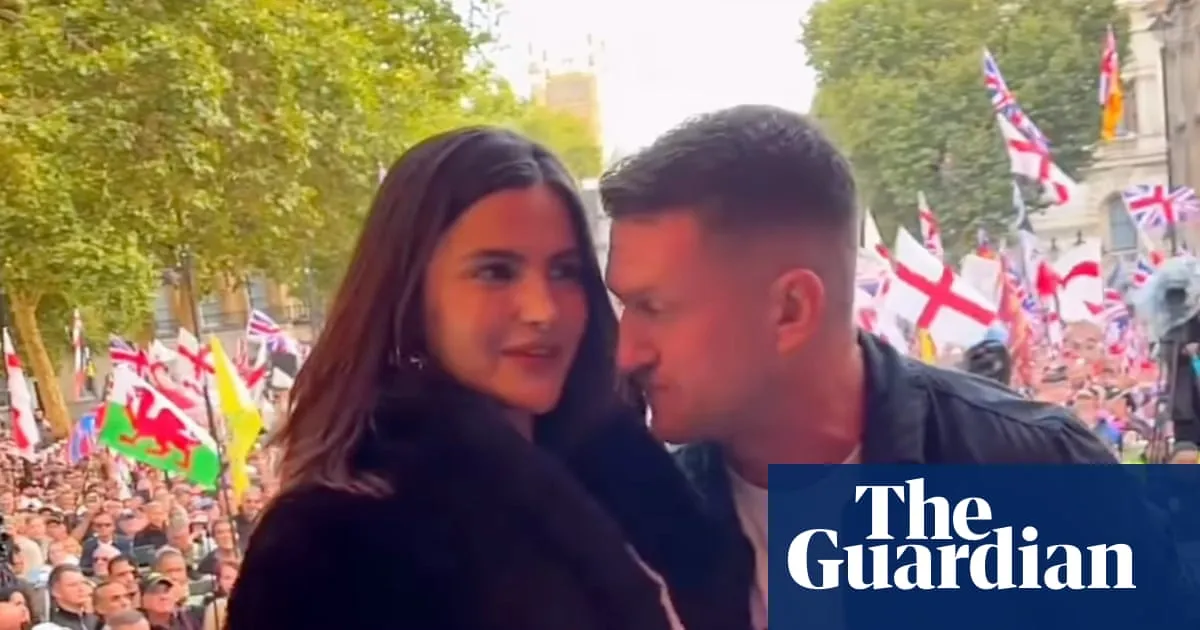
On May 16, 2026, Valentina Gomez, a controversial figure known for her anti-Islam rhetoric, was blocked from entering the UK by the home secretary, who intervened to withdraw her electronic travel authorisation (ETA) just prior to her scheduled appearance at the Unite the Kingdom rally organized by Tommy Robinson. This decision has stirred considerable debate regarding freedom of speech and public safety in Britain.
Documents show that Gomez had previously attended a Unite the Kingdom rally in September 2025, which attracted an estimated more than 100,000 attendees. Her notoriety largely stems from provocative actions, including the burning of a copy of the Qur’an — an act that has drawn widespread condemnation and concern from various community leaders.
The Home Office stated that Gomez’s presence would not be conducive to the public good, a claim supported by sources within the Muslim Council of Britain. They expressed apprehension over her entry into the UK, highlighting potential risks associated with her inflammatory statements. Indeed, Gomez has made headlines for remarks such as “Your daughters will be raped and your sons beheaded, unless we stop Islam once and for all,” which have prompted calls for greater scrutiny of individuals who seek to enter the UK with divisive agendas.
Gomez’s claims that her ETA was previously approved before being revoked add another layer of complexity to this situation. The Home Office has a history of blocking visas for public figures deemed potentially inflammatory; thus, her case is not isolated. Observers note that this incident reflects ongoing tensions surrounding immigration policy and national security.
In light of these events, Centrepoint — an organization dedicated to supporting young people regardless of their background — severed ties with Sharon Osbourne after she expressed support for the rally. This decision underscores how contentious political activities can impact relationships within charitable organizations and further complicate public discourse.
As Valentina Gomez prepares to pursue alternative avenues to voice her opinions, it remains uncertain how this incident will affect future political rallies or public sentiment regarding freedom of expression in Britain. While some view her exclusion as a necessary measure for public safety, others argue it represents a troubling trend toward censorship.
Details remain unconfirmed regarding any potential legal action Gomez might pursue against this decision or whether she will seek to address these issues through other platforms. The implications of this case extend beyond Gomez herself; they touch upon broader discussions about how freedom of speech is applied in contemporary society.