
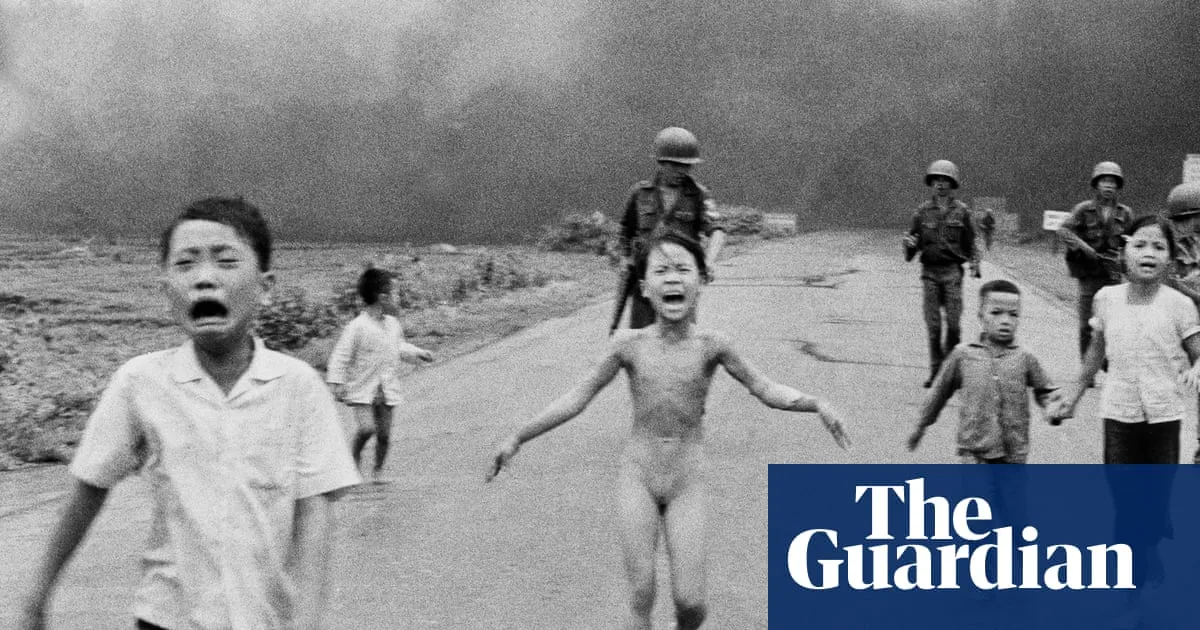
Background of the Vietnam War
The Vietnam War, a conflict that lasted from the late 1950s until 1975, was marked by significant military and political challenges. The U.S. initially aimed to win the hearts and minds of the Vietnamese people but eventually shifted to a more aggressive ‘search and destroy’ strategy. This change in tactics was largely due to the increasing casualties and public disapproval of the war. The war’s brutality was epitomized by events such as the My Lai Massacre, where American GIs killed 500 innocent civilians, including women and children, on March 16, 1968. Such incidents fueled anti-war sentiments across the United States and around the world.
Recent Developments and Comparisons
In recent discussions, the tactics employed during the Vietnam War have drawn parallels to current law enforcement practices under the Trump administration. White House adviser Stephen Miller confirmed a controversial quota of 3,000 arrests of undocumented immigrants per day under Operation Metro Surge. Critics argue that this quota system resembles a body count strategy, reminiscent of the Vietnam War’s metrics for success. Lt. Gen. Robert Gard Jr. noted, “If body count is your measure of success, then there’s a tendency to count every body as an enemy soldier,” highlighting the potential for misrepresentation in such strategies.
Public Reaction and Historical Context
The public’s disapproval of the Vietnam War was a significant factor in its eventual conclusion. The war ended largely because the American populace could no longer condone the cost in lives lost and taxpayer money spent. This sentiment echoes in today’s discussions about immigration policies and law enforcement tactics. Roseann ‘Chic’ Canfora, a prominent figure in the anti-Vietnam War movement, remarked on the eerie parallels between past and present, stating, “There is an eerie parallel between what Nixon did to brand our anti-Vietnam War movement as something organized by communists and what we’re seeing here with Trump’s claims that any anti-Trump, immigration or pro-democracy protest is secretly funded by George Soros or part of Antifa.”
Media’s Role in Shaping Perception
The media played a crucial role in shaping public perception of the Vietnam War. Iconic images, such as the photograph known as ‘Saigon Execution’ taken by Eddie Adams on February 2, 1968, brought the realities of war into American living rooms, influencing public opinion. Similarly, the Pulitzer Prize-winning photograph taken by John Filo during the Kent State shootings further highlighted the tensions of the era. These images served as powerful reminders of the human cost of conflict and the societal impact of governmental policies.
Legacy of the Vietnam War
The legacy of the Vietnam War continues to resonate today, as discussions about military strategy, public policy, and civil rights remain relevant. The war’s impact on American society has led to ongoing debates about the ethical implications of military engagement and the treatment of marginalized communities. As current events unfold, the lessons learned from the Vietnam War may inform how society addresses contemporary issues related to immigration and law enforcement.
Looking Ahead
As observers reflect on the Vietnam War and its implications for modern governance, the conversation around law enforcement practices and their parallels to past conflicts is likely to continue. The ongoing scrutiny of policies like Operation Metro Surge suggests that the public remains vigilant about the potential for governmental overreach and the need for accountability. Details remain unconfirmed regarding the long-term effects of these policies on communities across the nation.