
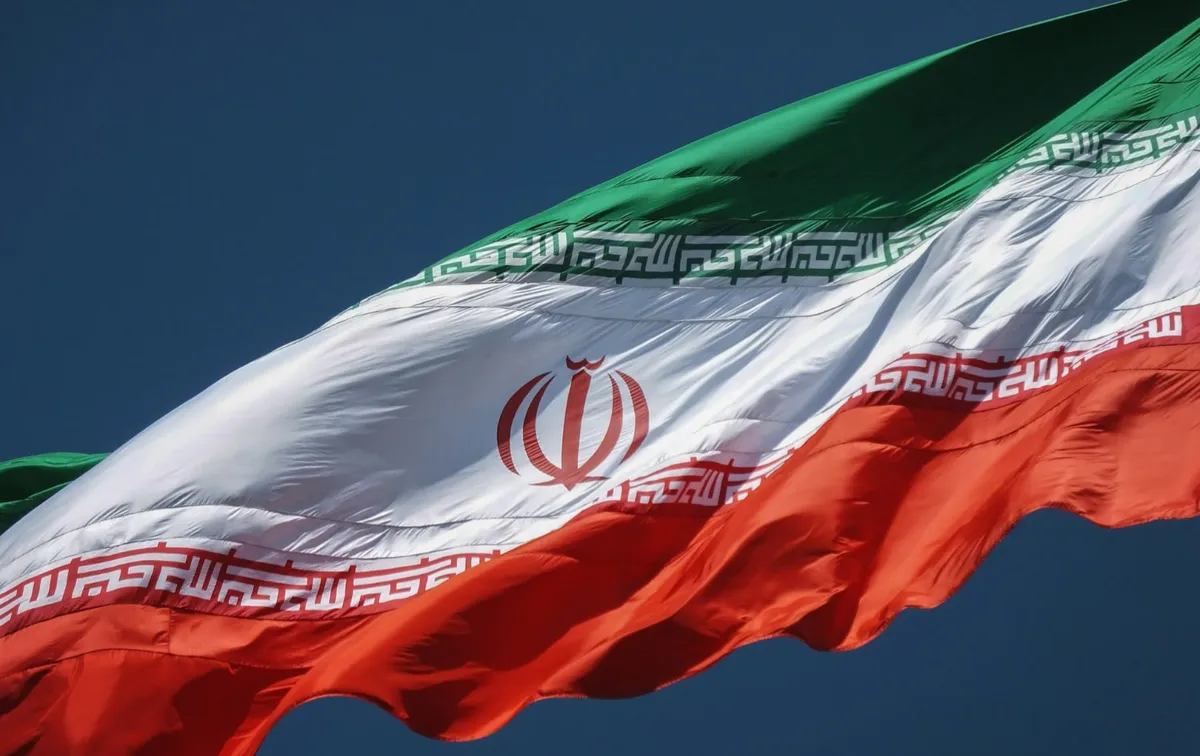
Escalation of Conflict
The war between Iran and Israel has escalated dramatically, with Israeli air strikes targeting Iran’s oil facilities for the first time since the conflict began, resulting in at least four fatalities. Joint attacks by Israel and the United States have continued for nine days, claiming the lives of over 1,300 people in Iran and approximately 300 in Lebanon.
Details of the Strikes
The recent strikes focused on four oil storage facilities and an oil production transfer center located in Tehran and Alborz. Iran’s ambassador to the United Nations reported that U.S.-Israeli forces have killed at least 1,332 Iranian civilians during the ongoing conflict. In contrast, ten individuals have died in Israel, alongside at least six U.S. service members.
The conflict has led to a surge in oil prices, reaching multi-year highs as disruptions in shipping through the Strait of Hormuz have raised concerns. Iranian President Masoud Pezeshkian has publicly apologized to Gulf nations for attacks on U.S. facilities within their territories, indicating the broader regional implications of the conflict.
Statements from Leaders
Former President Donald Trump stated that the war would only conclude if Iran’s military capabilities and leadership were entirely dismantled. Meanwhile, Iranian retaliation has included attacks on American bases in Kuwait, further escalating tensions in the region.
As the conflict continues, Israel has warned that it will pursue anyone who attempts to replace Ayatollah Ali Khamenei, should the situation persist. Observers note that the demand for the Islamic Republic’s surrender is viewed as an unattainable goal by the Iranian government, with Pezeshkian describing it as a “dream.”
Details remain unconfirmed regarding the full extent of the conflict’s impact on regional stability and international relations.