
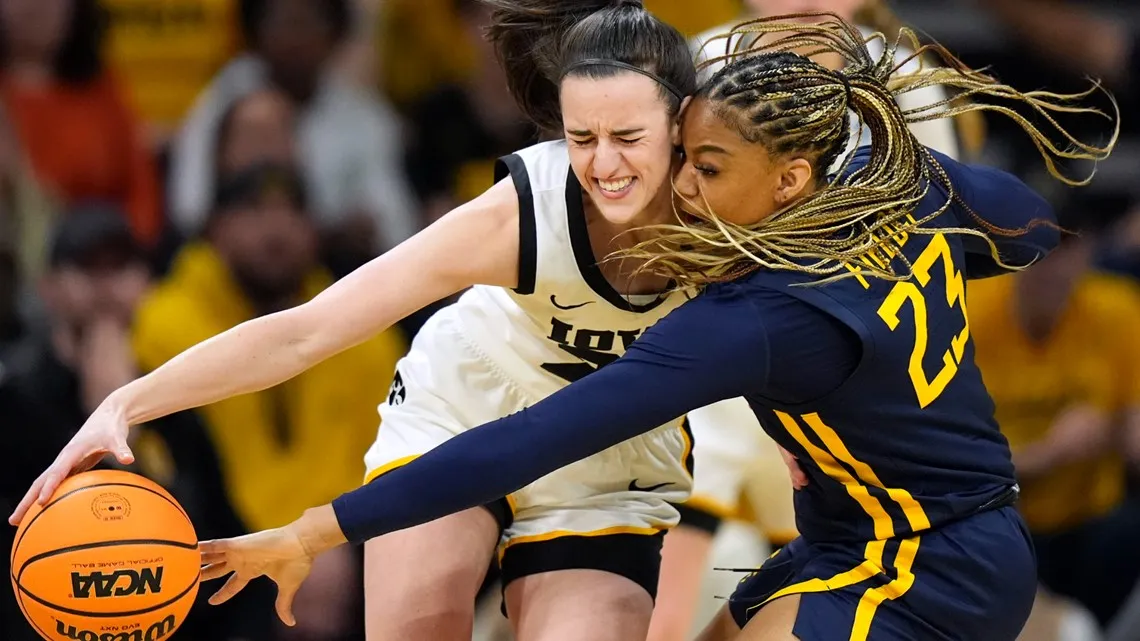
The landscape of women’s March Madness has shifted dramatically as the 2026 NCAA women’s basketball tournament commenced. Prior to this year’s tournament, expectations were high, particularly for perennial powerhouses like UConn, which has historically dominated women’s college basketball, winning eight of the last twelve national championships. The anticipation surrounding the tournament bracket announcement on March 15, 2026, set the stage for what many expected to be a thrilling competition.
However, the decisive moment came with the announcement of the 68-team bracket, which included formidable contenders such as South Carolina, UCLA, and Texas. The First Four games, held on March 18-19, 2026, saw Southern defeating Samford with a score of 65-53, marking a significant achievement for the program. This initial round of games not only showcased emerging talent but also hinted at the unpredictability of this year’s tournament.
The immediate effects of this shift have been felt across the board. UConn’s Sarah Strong, who averaged an impressive 22.7 points, 13.3 rebounds, and 3.7 assists during last year’s key tournament games, is expected to lead her team with exceptional performance. Her prowess on the court has made her a focal point in discussions about potential champions, with experts noting, “UConn has the best player in the country, the best duo in the country, the best coach in the country, the best pedigree in March.”
As the tournament progresses, the stakes continue to rise. The Sweet 16 is scheduled for March 27-28, 2026, followed by the Elite Eight on March 29-30, and culminating in the Final Four on April 3, 2026, at the Mortgage Matchup Center in Phoenix. The championship game is set for April 5, 2026, at 3:30 p.m. ET, where the anticipation for crowning a champion is palpable.
Experts predict that UConn will solidify its legacy by potentially becoming the 10th undefeated champions in women’s tournament history. This reflects not only the team’s historical dominance but also the growing competitiveness of women’s college basketball.
In this evolving landscape, the 2026 women’s NCAA tournament, hosted by Arizona State University, serves as a testament to the increasing visibility and excitement surrounding women’s sports. As the tournament unfolds, fans and analysts alike are eager to see how the dynamics will play out, particularly with the emergence of new talent and the resilience of established programs.
Details remain unconfirmed regarding the full impact of these changes on the teams and players involved, but one thing is clear: women’s March Madness is entering a new era, filled with promise and potential for thrilling basketball action.