
Who is involved
The anticipation surrounding the 2026 FIFA World Cup fixtures has reached a fever pitch as fans and teams alike prepare for a tournament that promises to redefine the global football landscape. Historically, the World Cup has been a showcase of the world’s best footballing nations, but the upcoming edition will mark a significant shift in its structure. Prior to this development, the tournament featured 32 teams competing for glory, but the expansion to 48 teams will introduce a new dynamic, allowing more nations to participate and showcase their talents on the world stage.
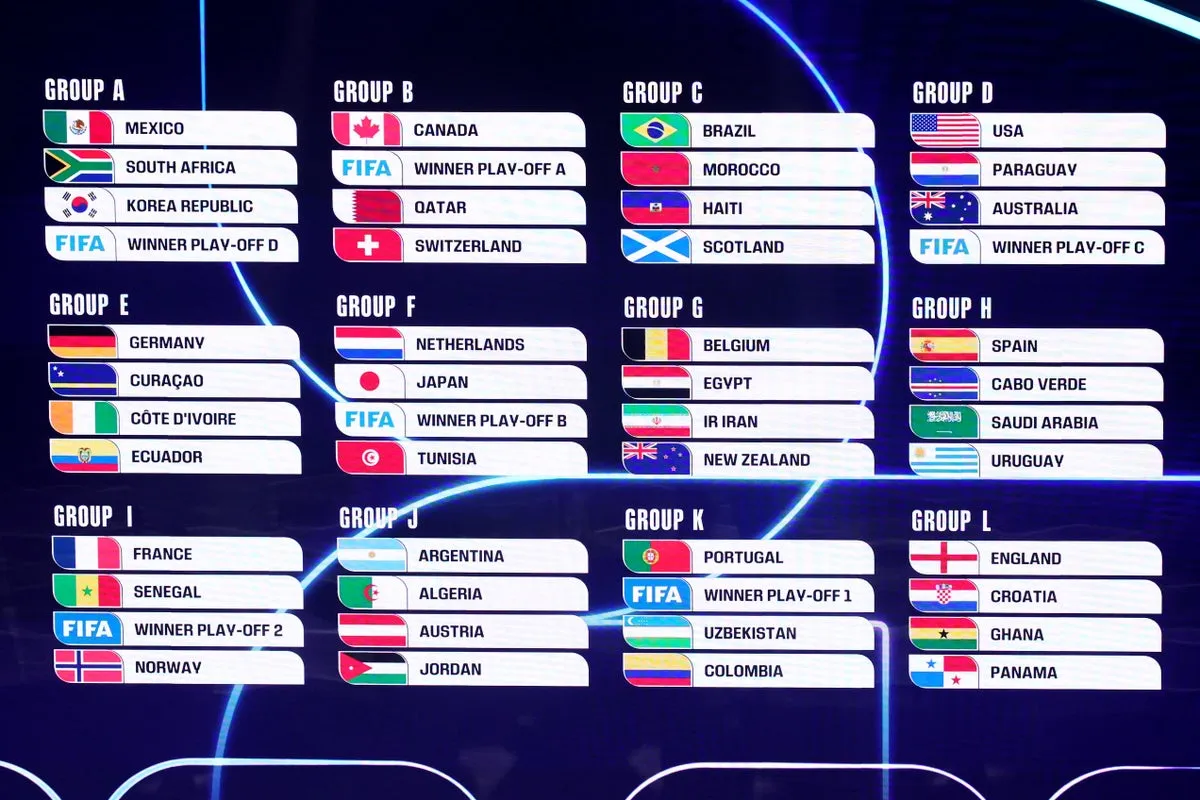
The decisive moment came when FIFA announced the expansion of the tournament format, which will now include 104 matches played across 16 stadiums in Mexico, Canada, and the USA. This change not only increases the number of participating teams but also alters the competitive landscape of the tournament. The opening match is set for June 11, 2026, featuring Mexico against South Africa at the iconic Estadio Azteca in Mexico City, a venue steeped in World Cup history.
The immediate effects of this expansion are profound. For the first time, the tournament will feature 12 groups of four teams each, with the top two teams from each group, along with the eight best third-placed teams, advancing to the knockout stage. This format is expected to create more opportunities for upsets and surprises, as teams from traditionally less dominant footballing nations will have a chance to compete against established powerhouses.
Among the teams drawn into the tournament, England finds itself in Group L alongside Croatia, Ghana, and Panama, while Scotland faces a challenging Group C with Brazil, Morocco, and Haiti. The inclusion of these teams highlights the diversity and competitiveness that the expanded format aims to promote. The USA will host the majority of matches, with 78 scheduled, while Mexico and Canada will each host 13 matches, showcasing the collaborative spirit of this tri-nation event.
Experts have weighed in on the implications of this shift. The expansion to 48 teams is seen as a way to globalize the sport further, allowing nations that have historically been underrepresented in the World Cup to gain exposure and experience. This move could potentially elevate the level of competition as these teams gain valuable international experience. The tournament’s structure is designed to maintain excitement and engagement, with a total of 104 matches ensuring that fans will have ample opportunities to witness thrilling football.
As the tournament approaches, the excitement continues to build. The final will take place at MetLife Stadium in New Jersey, a fitting venue for what is expected to be a historic culmination of the tournament. With the stakes higher than ever and the format allowing for greater unpredictability, the 2026 World Cup fixtures are set to capture the attention of football fans around the globe.
Details remain unconfirmed regarding the specific match times and additional fixtures, but the framework is in place for a tournament that promises to be unlike any other. As nations prepare to battle for the ultimate prize in football, the world eagerly awaits the kickoff of what could be a transformative World Cup experience.