
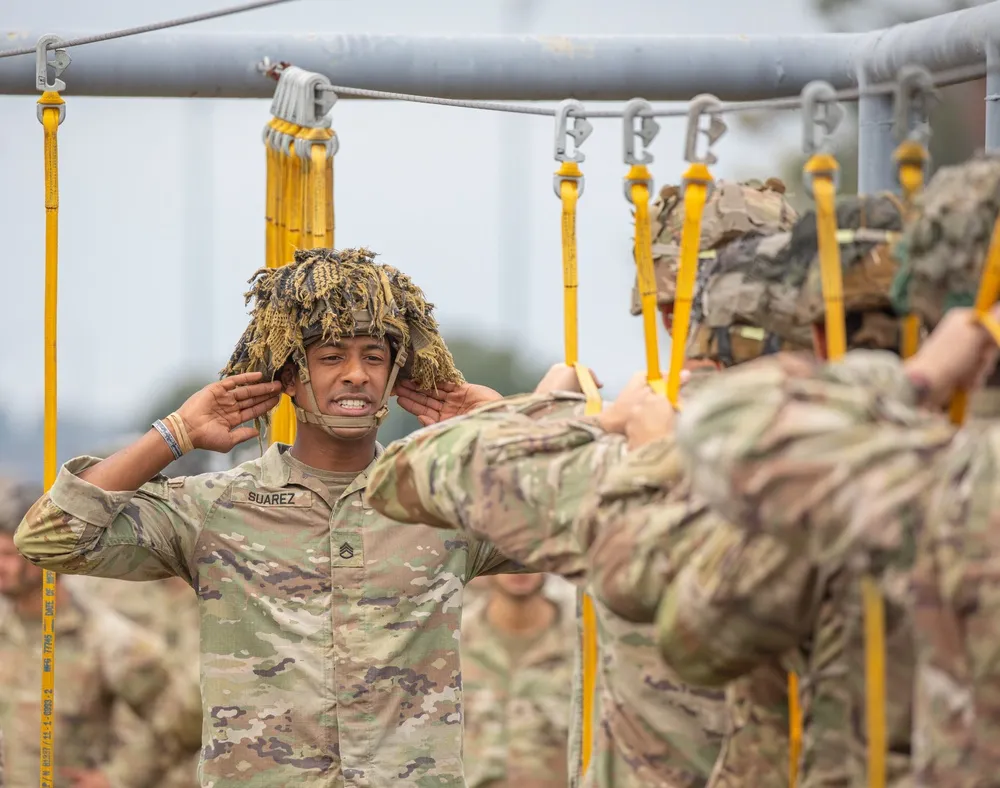
Who is involved
Before the recent announcement, expectations surrounding U.S. military involvement in the Middle East were characterized by a cautious approach, with a focus on diplomatic solutions to rising tensions, particularly with Iran. The 82nd Airborne Division, known for its rapid deployment capabilities and high-risk mission training, was not actively engaged in any new deployments, allowing for a perception of stability in the region.
However, the situation shifted dramatically on March 25, 2026, when the Pentagon confirmed that approximately 1,000 soldiers from the 82nd Airborne Division’s 1st Brigade Combat Team would be deployed to the Middle East. This decisive moment marked a significant escalation in U.S. military readiness, as the division is capable of deploying within 18 hours, underscoring its role as a rapid response force.
The immediate effects of this deployment are profound. The 82nd Airborne Division, based at Fort Bragg, North Carolina, boasts around 18,000 paratroopers, with 3,000 of those soldiers forming the Immediate Response Force (IRF). The deployment of 1,000 troops from this elite division signals a readiness to engage in joint forcible entry operations, which involve parachuting into hostile territory to secure critical objectives. This capability is essential in a landscape where tensions with Iran have escalated.
Expert voices emphasize the significance of this deployment. White House spokeswoman Anna Kelly stated, “President Trump always has all military options at his disposal,” reflecting the administration’s commitment to maintaining a robust military presence in the region. Furthermore, the Pentagon’s announcement highlights the strategic importance of the 82nd Airborne Division, which has been involved in nearly every major U.S. conflict since its establishment in 1917.
The deployment is not merely a show of force; it carries implications for U.S. foreign policy and military strategy in the Middle East. As the U.S. seeks to deter potential aggression from Iran, the presence of the 82nd Airborne Division serves as a clear message of readiness and resolve. The division’s specialization in rapid response and high-stakes operations positions it as a key player in any potential conflict.
As the situation develops, the implications for both U.S. military personnel and regional stability remain to be seen. While the deployment aims to bolster security and deter threats, it also raises questions about the potential for escalation in an already volatile environment. Details remain unconfirmed regarding the specific objectives and timeline of the deployment, leaving military analysts and observers to speculate on the broader consequences.
In summary, the 82nd Airborne Division’s upcoming deployment to the Middle East marks a significant shift in U.S. military posture, reflecting a readiness to engage in high-risk operations amid rising tensions. The division’s storied history and rapid response capabilities position it as a critical asset in the ongoing complexities of U.S. military strategy in the region.