
Who is involved
The recent decision by British Airways to remove all Airbus A380 flights between London Heathrow (LHR) and Los Angeles International Airport (LAX) for the winter of 2026/2027 has sent ripples through the aviation industry. This marks a significant departure from the airline’s previous strategy, which had relied heavily on the A380 since its debut on the LHR-LAX route in September 2013. The A380 has been a symbol of luxury and capacity in long-haul travel, and its absence will be felt by frequent travelers on this busy transatlantic route.
As of October 24, 2026, the A380 will make its final departure from LHR to LAX, a moment that underscores a decisive shift in British Airways’ operational strategy. From October 25, 2026, the airline will transition to the Boeing 777-300ER for all three daily services, resulting in a notable reduction in total daily round-trip seats from 1,962 to 1,536—a drop of 22%. This change is not merely a logistical adjustment but reflects broader trends in passenger preferences and operational efficiencies.
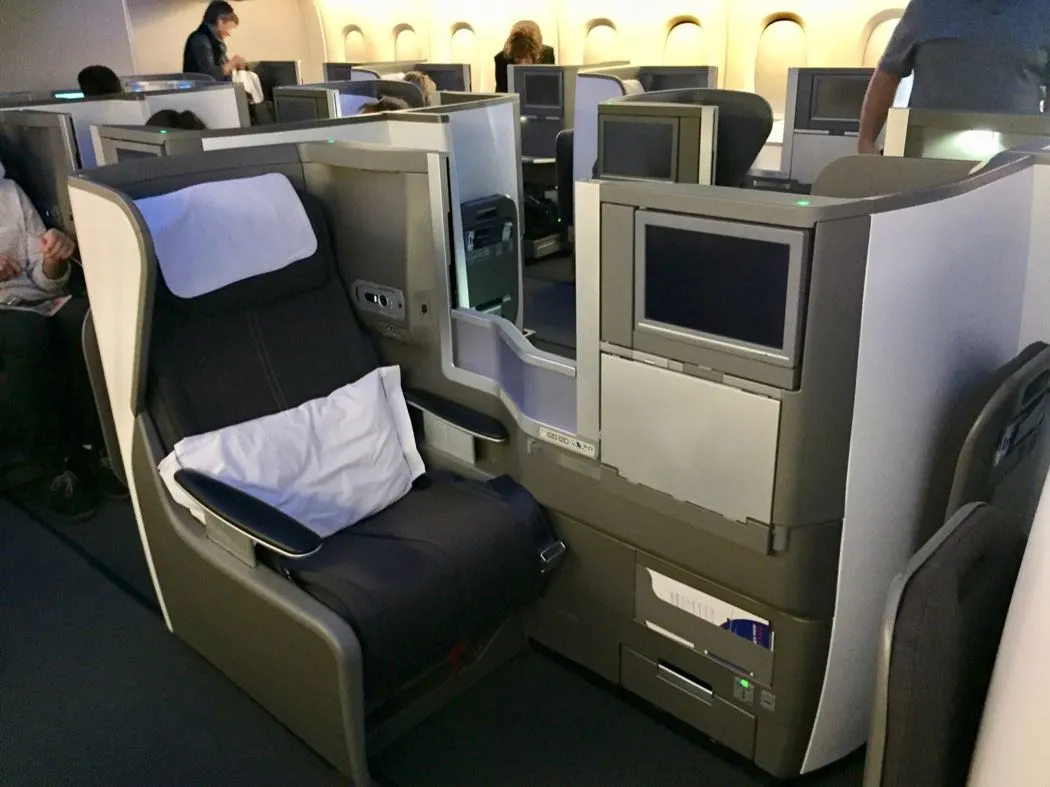
The immediate effects of this decision are multifaceted. For British Airways, the removal of the A380 is linked to an ongoing cabin retrofit program aimed at enhancing the passenger experience. The A380’s seat count will decrease from 469 to 421, allowing for a more premium configuration, which is increasingly in demand among travelers. Despite the reduction in capacity, British Airways has assured that it will maintain three daily frequencies on the route, preserving schedule convenience for passengers.
In 2025, British Airways recorded an average seat factor of 84.8% on the LAX route, indicating a strong demand for its services. However, the airline’s decision to phase out the A380 could be seen as a response to evolving market dynamics. The total number of A380 departures from LHR this winter stands at 770, which is a 27% decrease compared to the previous winter. This reduction suggests a strategic pivot in how British Airways intends to allocate its fleet amidst changing passenger needs.
Experts have noted that the introduction of the 777-300ER, which features Club Suites—British Airways’ newer business class product—could be perceived as an upgrade in cabin quality. This shift aligns with the airline’s goal of enhancing the overall travel experience, even as it grapples with reduced capacity. The 777-300ER’s capabilities may cater more effectively to the current market demand, which increasingly favors comfort and premium offerings over sheer volume.
British Airways and American Airlines together held nearly 60% of the market share on the LHR-LAX route, carrying 881,000 passengers in 2025. The removal of the A380 could potentially impact this market dominance, especially if competitors capitalize on the reduced capacity. However, the airline’s commitment to maintaining service frequencies may mitigate some of these concerns, allowing it to retain a loyal customer base.
As British Airways navigates this transition, the broader implications for transatlantic travel are significant. The A380’s removal from LAX is emblematic of a shift towards more sustainable and efficient operations in the aviation sector. Airlines are increasingly prioritizing fleet modernization and passenger experience, which may lead to a redefined landscape for long-haul travel. The decision reflects not only the airline’s current operational needs but also its strategic vision for the future.
In summary, the removal of the A380 from British Airways’ LAX route marks a pivotal moment in the airline’s history and the broader aviation industry. As the airline adapts to changing market conditions and passenger preferences, the implications of this decision will likely resonate throughout the travel sector for years to come.