
Reaction from the field
In a striking display of tension between government officials and the press, President Donald Trump recently threatened to jail a journalist who reported on a missing US airman in Iran. This incident has raised significant concerns regarding press freedom and the implications of government actions on journalistic integrity.
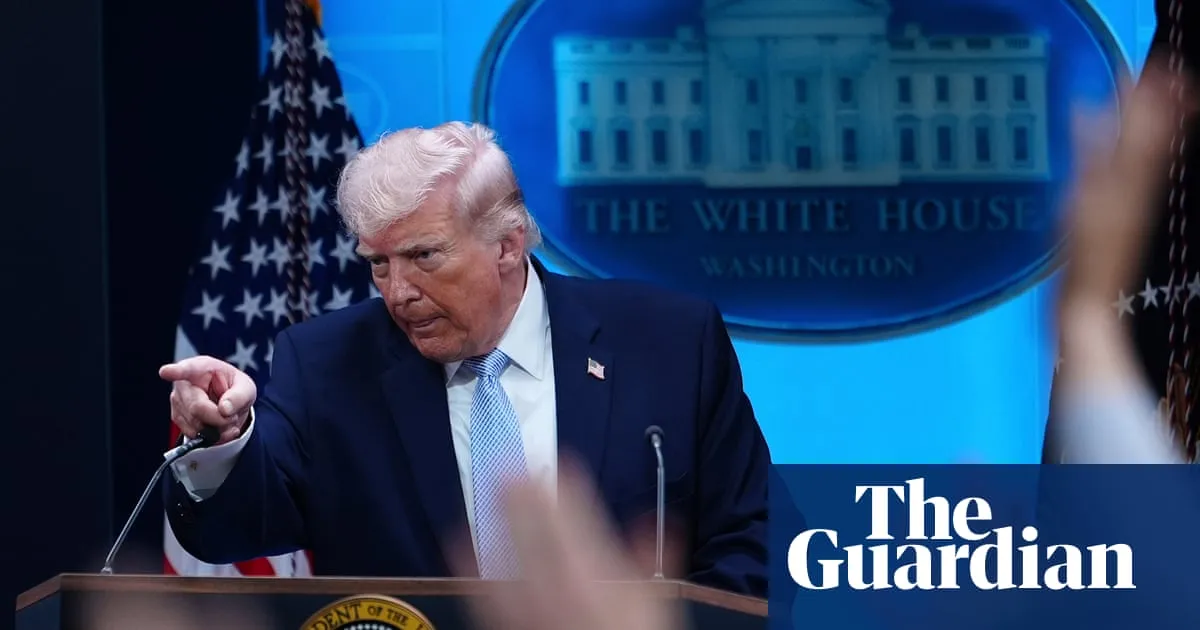
The threat emerged during a press conference at the White House, where Trump claimed that the journalist’s report endangered the airman and jeopardized the ongoing rescue operation. “We are gonna go to the media company that released it and we are going to say ‘national security, give it up or go to jail’,” Trump stated, underscoring his administration’s aggressive stance toward media outlets that publish sensitive information.
The context of this threat is particularly alarming given Trump’s history of targeting journalists who publish information he finds unfavorable. In this instance, the President’s comments came after the US military successfully rescued the missing airman, who had hidden from capture. However, Trump alleged that the leak of information about the airman prompted Iran to offer a reward for capturing American pilots, further complicating an already tense geopolitical situation.
Trump’s remarks have drawn criticism from press freedom advocates. Seth Stern from the Freedom of the Press Foundation defended the rights of journalists, asserting, “Journalists don’t work for the government and their right to publish government leaks is protected by the first amendment.” This statement highlights the ongoing struggle between governmental authority and the fundamental rights of the press.
Moreover, the operation to rescue the airman involved significant risks and military resources, emphasizing the gravity of the situation. Trump reiterated that the US military’s commitment is to “leave no American behind,” a sentiment that resonates deeply in the context of military operations abroad.
Despite the successful rescue, the implications of Trump’s threats linger, raising questions about the future of journalistic freedom in the United States. The White House has not specified which media company Trump was referring to, leaving room for speculation about the broader impact of his comments on the media landscape.
As the situation unfolds, it remains uncertain how this incident will affect the relationship between the Trump administration and the press. Details remain unconfirmed regarding any potential legal actions against the journalist or the media company involved, but the chilling effect of such threats on journalistic practices cannot be overlooked.