
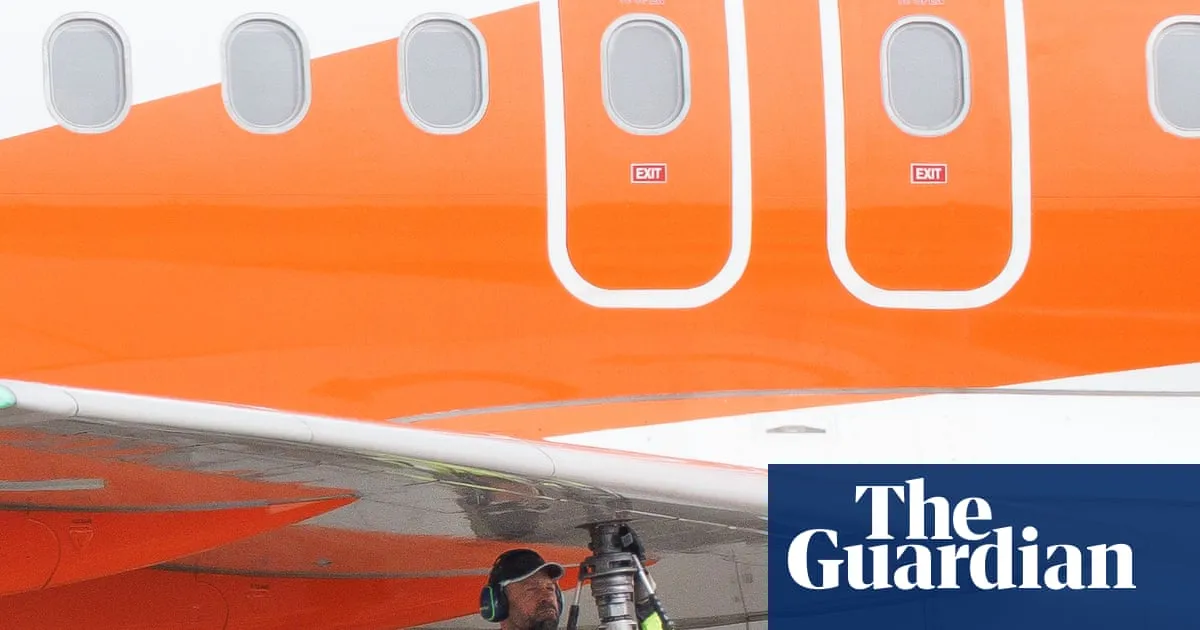
As UK airlines grapple with a jet fuel shortage, they are now allowed to cancel flights in advance to manage the ongoing crisis, which is exacerbated by geopolitical tensions, particularly the conflict in the Middle East. This shift in policy, effective this summer, enables airlines to consolidate or cancel flights at least two weeks prior if they anticipate a shortage of aviation turbine fuel.
Key facts:
- UK airlines will be able to cancel or consolidate flights this summer due to disruptions caused by the war in the Middle East.
- Airlines can cancel flights at least two weeks in advance if there is a jet fuel shortage.
- The UK imports about 65% of the jet fuel it uses, much of which comes from the Middle East.
The recent escalation of conflicts, particularly around the Strait of Hormuz—an essential route for oil and gas—has led to significant increases in aviation turbine fuel prices. As of late April 2026, the price reached $4.51 per gallon, a stark contrast to the $2.24 projected for 2026 according to Spirit Airlines’ restructuring plan. This surge has placed immense financial pressure on airlines operating with thin margins.
In a related development, Spirit Airlines recently announced its shutdown after failing to secure a $500 million bailout, resulting in approximately 17,000 employees losing their jobs. This closure follows two prior bankruptcy filings within just two years, highlighting vulnerabilities within the airline industry amidst soaring operational costs.
Rob Bishton from the UK Civil Aviation Authority stated that relaxing rules around airport slots is expected to provide airlines with greater flexibility during this tumultuous period. He emphasized that while cancellations may be necessary, airlines are encouraged to notify passengers as early as possible.
Furthermore, Lufthansa has proactively cancelled around 20,000 flights as part of its strategy to mitigate financial losses stemming from rising aviation turbine fuel costs. Analysts suggest that such drastic measures reflect an industry-wide struggle against unpredictable market conditions influenced by international conflicts.
The ongoing situation raises questions about how long these geopolitical tensions will persist and their potential implications for global air travel. While officials have not confirmed specific timelines for resolution or further policy changes, it is clear that both operational strategies and passenger experiences will continue to evolve in response to these challenges.