
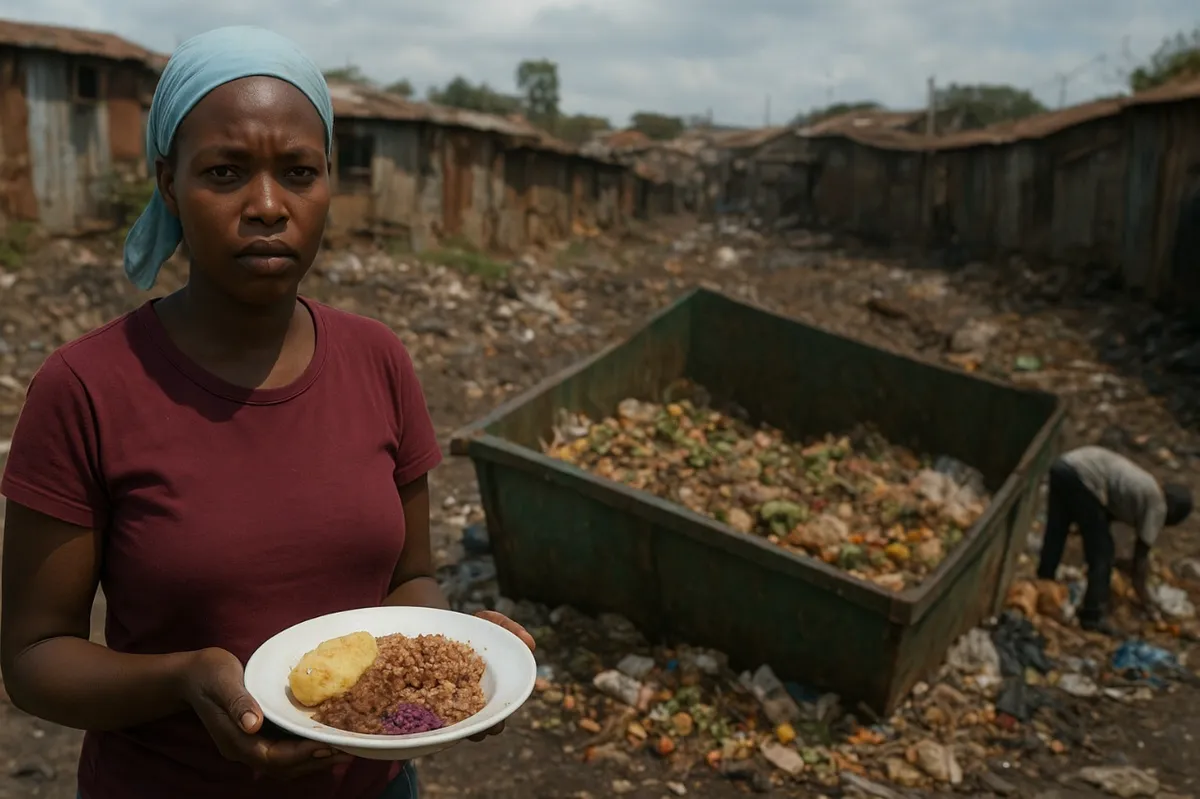
The introduction of a new weekly food waste collection service aims to significantly reduce the amount of edible food wasted in households, impacting approximately 60,000 homes starting April 29, 2026. Prior to this initiative, food waste constituted around a third of household rubbish, much of which ended up being incinerated rather than recycled.
Currently, the average household discards about £800 worth of edible food each year, contributing to a staggering statistic that reveals 33% of all food produced is wasted annually. This situation is particularly concerning in Wrexham, where less than half of residents actively recycle their food waste.
The decisive moment for change comes with the launch of the new service, which seeks not only to facilitate better recycling practices but also to promote edible food donation. If even a quarter of the food currently lost or wasted were saved, it could potentially feed around 870 million hungry people worldwide.
Experts highlight that while this initiative marks a positive step towards reducing food waste statistics in Wrexham and beyond, it also raises questions about societal attitudes towards edible food. Cllr Terry Evans noted, “Unfortunately, in Wrexham we’re seeing far too much food waste, and lots of it isn’t being recycled by residents.” This sentiment reflects a broader challenge in changing perceptions about what constitutes waste.
Furthermore, comparisons can be drawn with France’s approach to tackling this issue; under the Anti-Waste and Circular Economy Law, supermarkets larger than 400 square metres are mandated to donate unsold edible food to charities. Such measures illustrate that legislative frameworks can drive significant change in reducing food waste.
Despite these advancements, uncertainties remain regarding the long-term effectiveness of the new collection service and whether it will lead to a substantial increase in recycling rates. The success of this initiative will likely depend on community engagement and education surrounding proper recycling practices.