
Amanda Wixon Sentenced for 25 Years of Captivity
Amanda Wixon, 56, was sentenced to 13 years in prison on March 12, 2026, for holding a woman captive for over 25 years in Tewkesbury, Gloucestershire. The victim, who was only 16 years old when she was first taken, endured severe abuse and was forced to live in what has been described as ‘Dickensian conditions.’
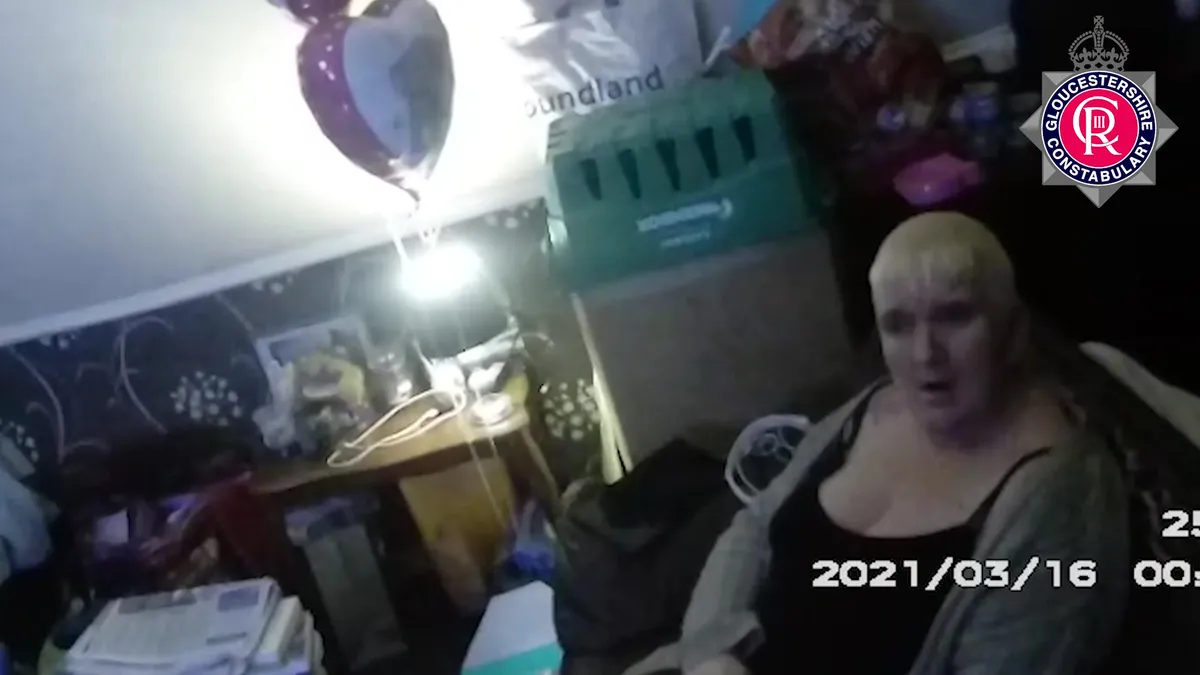
The victim was discovered by police in March 2021 after a tip-off, leading to the shocking revelation of her prolonged captivity. During her time with Wixon, she was not allowed to leave the house, lived off scraps, and was forced to wash secretly at night. The court heard that Wixon assaulted the victim, including instances of beating her and pouring bleach on her face.
In total, the victim was held captive for 25 years, during which she was deprived of her freedom and subjected to continuous abuse. Wixon’s actions resulted in the victim’s benefit money, totaling approximately £100,000, being paid into Wixon’s account, further illustrating the extent of the exploitation.
Since her rescue, the victim, now 40 years old, has been receiving support from a foster family and has reportedly been on three holidays. However, she expressed the profound impact of her ordeal, stating, “For 25 years I lived in fear, control and abuse. I was treated as though my life, my freedom and my voice did not matter.” This statement underscores the emotional and psychological toll of her captivity.
The case has raised significant concerns regarding the role of social services, with calls for an explanation as to why the victim was not rescued earlier. A carer who has been supporting the victim remarked, “I think social services should be more alert and then maybe no one else will go through what she has been through.” This sentiment reflects a growing awareness of the failures in the system that allowed such abuse to continue for decades.
During the sentencing, the judge noted the ‘Dickensian quality’ of the victim’s situation, emphasizing the severity of the circumstances surrounding her captivity. The case has also highlighted the broader issue of modern slavery in the UK, with reports indicating that there were approximately 6,600 reported victims of modern slavery in 2025.
As the community processes the implications of this case, the victim’s carer stated, “The fact remains that nothing was done by social services,” pointing to a systemic issue that needs to be addressed to prevent similar situations in the future. Details remain unconfirmed regarding any potential changes in policy or practice in response to this case.