Australia Petrol Station Dry: A Looming Crisis
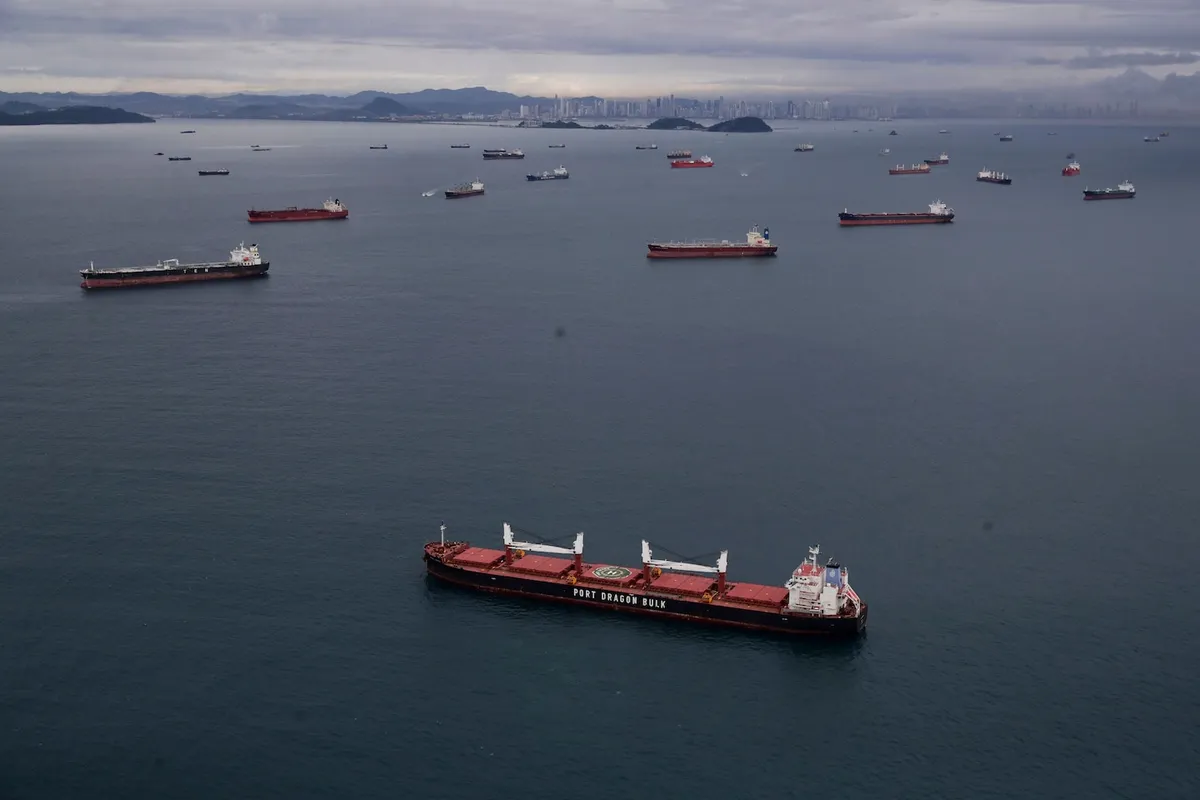
The looming crisis of petrol stations running dry in Australia is not just a hypothetical scenario but a stark reality that could unfold within the next seven years. With the nation heavily reliant on imported liquid fuels—approximately 80 percent—Australia’s fuel security is under severe threat as its oil reserves dwindle at an alarming rate. The implications of this situation are profound, affecting not only consumers but also the broader economy and national security.
The root of the problem lies in Australia’s limited identified conventional oil reserves, which are being depleted faster than new discoveries can replenish them. Currently, Australia possesses about 1.3 billion barrels of proven or probable oil reserves, alongside an additional 2.2 billion barrels classified as contingent reserves. However, if the current import rates continue, these resources could be exhausted in just seven years, raising urgent questions about the country’s energy future.
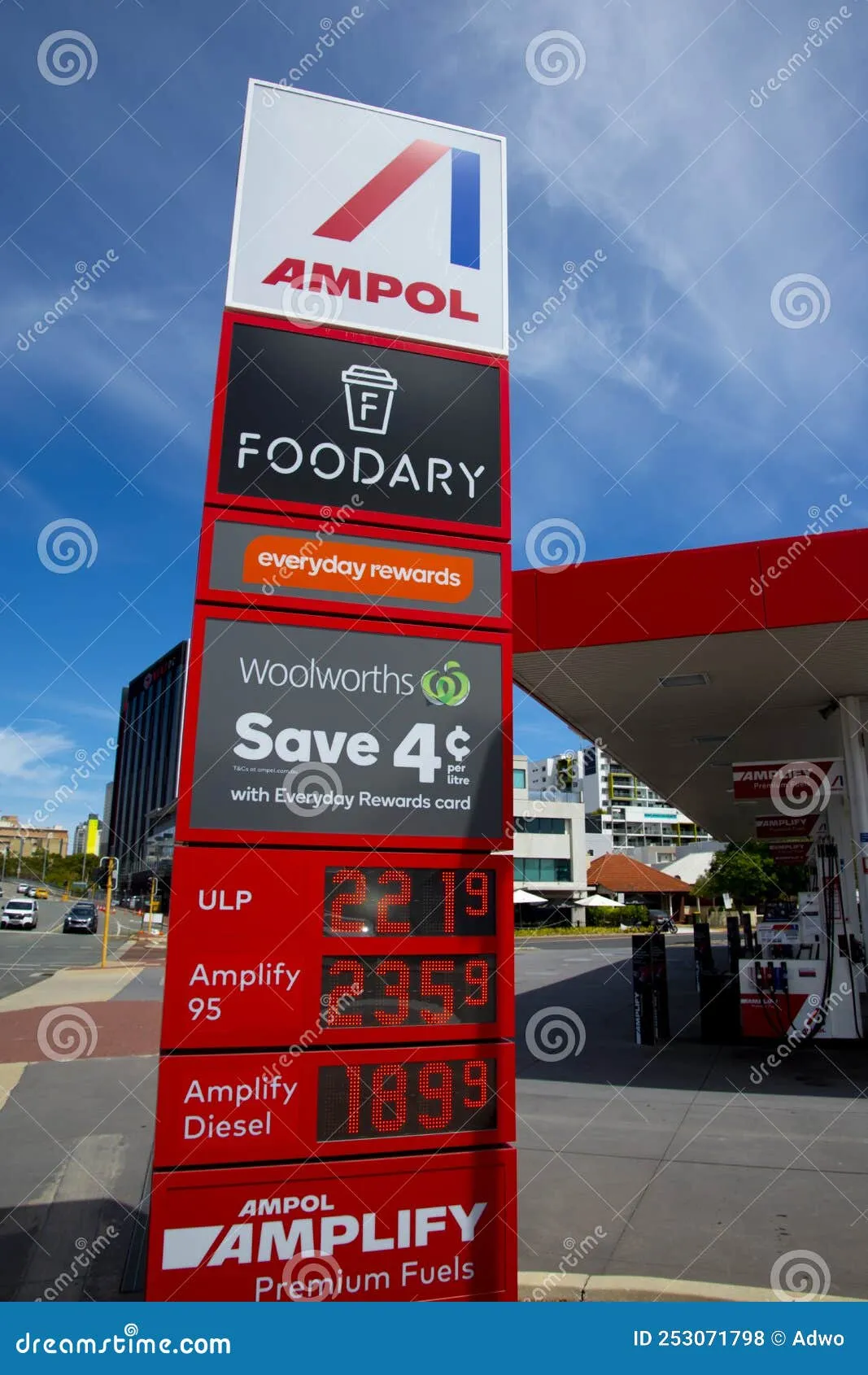
Refined fuels, unlike crude oil, have a shorter shelf life and are more volatile, deteriorating relatively quickly. This characteristic poses a significant risk, especially as Australia has only two operational oil refineries remaining: the Ampol-owned Lytton refinery in Brisbane and the Viva Energy operation in Geelong. These aging facilities struggle to compete with larger and more efficient operations in Asia, further exacerbating the issue of domestic fuel production.
The International Energy Agency (IEA) mandates that all member countries maintain emergency oil stocks equivalent to at least 90 days of imports. However, Australia has fallen short of this requirement, with reserves that were previously held in the United States now insufficient to meet its obligations. This shortfall raises alarms about the country’s preparedness to handle potential disruptions in fuel supply.
As the Bass Strait, a significant source of oil for Australia, nears depletion, the urgency for a strategic response becomes increasingly clear. The government must prioritize the development of new oil fields and enhance domestic refining capabilities to mitigate the risks associated with over-reliance on imports. Without immediate action, the prospect of petrol stations running dry could become a reality, leading to widespread disruptions in transportation and logistics.
Moreover, the economic ramifications of a fuel shortage could be severe. Increased fuel prices would likely lead to inflationary pressures across various sectors, affecting everything from food prices to transportation costs. The potential for civil unrest cannot be overlooked either, as consumers react to the scarcity of a vital resource.
Details remain unconfirmed regarding potential government interventions or strategic plans to address this impending crisis. Stakeholders from various sectors, including energy, transportation, and government, must collaborate to devise a comprehensive strategy that ensures fuel security for the future. As the situation develops, the need for transparency and proactive measures will be crucial in averting a full-blown energy crisis.