
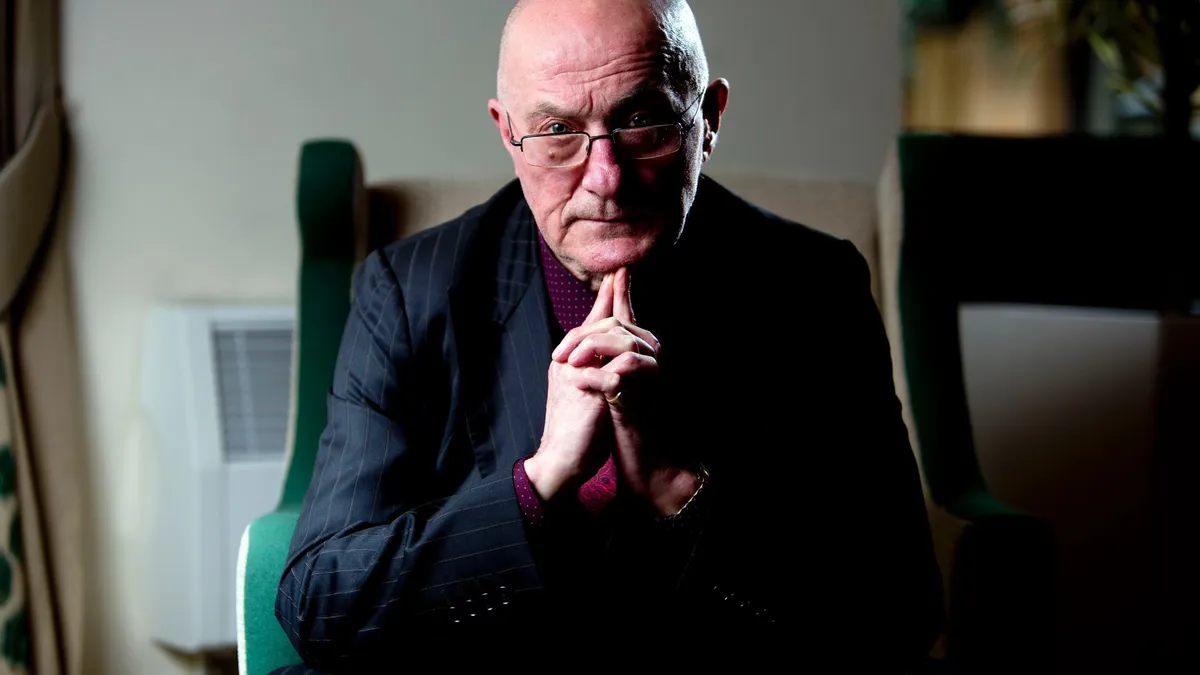
Bobby Cummines dies at 74
Bobby Cummines, a former gangster who became a respected anti-crime campaigner, died on March 5, 2026, at the age of 74. His family announced his passing with great sadness, marking the end of a life that spanned significant transformations.
Born on November 23, 1951, Cummines was the youngest of eight children. He left school at the age of 16 with no qualifications and soon became known as Britain’s youngest armed robber. Throughout his criminal career, he served a total of 13 years in prison, where he was incarcerated alongside notorious figures such as the Kray twins.
In the 1970s, Cummines was involved in extreme violence and criminal activities, but he later turned his life around. After his release from prison, he became a prominent anti-crime advocate, dedicating his efforts to rehabilitating ex-offenders. His charity work helped hundreds of individuals reintegrate into society.
In recognition of his transformation and contributions, Cummines was awarded an OBE by Queen Elizabeth II in 2011. He recalled the moment fondly, stating, “The Queen told me I had a really colourful background and she was pleased to award me the OBE.” This accolade marked a significant shift in his public perception from a notorious gangster to a respected figure in crime reform.
Cummines authored two books detailing his life and the lessons he learned along the way. He often shared insights from his past, including advice he received that guided him toward education and away from a life of crime. “He told me I had a good brain but if I carried on I would end up dead or on a life sentence. He told me to get into education – that it would earn me money without hurting anyone,” he once reflected.
David Meikle, a fellow advocate, described Cummines as a tough character who genuinely turned his life around, emphasizing his commitment to anti-crime initiatives. His legacy will likely continue to inspire those seeking redemption and a second chance.
Details remain unconfirmed regarding the circumstances surrounding his death, but the impact of his life’s work is undeniable. Observers expect that his contributions to crime reform will be remembered as a significant part of his legacy.