
In recent weeks, Cyprus has faced a notable 60% drop in tourism bookings from the UK, primarily attributed to rising geopolitical instability in the Eastern Mediterranean region. This decline occurs simultaneously as the island grapples with a significant livestock culling crisis, further complicating its economic landscape.
The situation began to escalate around March 2026, when British travelers started expressing hesitation about visiting Cyprus due to ongoing tensions. The UK government advised its citizens to remain alert and follow instructions from local authorities, indicating heightened concerns regarding safety.
As the tourism sector struggled, the Cypriot government initiated an emergency response to an outbreak affecting livestock. By late April, officials confirmed that approximately 38,900 sheep and goats, 2,247 cattle, and 21,500 pigs had been culled as part of the government’s adherence to EU veterinary protocols.
The livestock culling has sparked frustration among farmers who are dissatisfied with the lack of clear compensation details from authorities. Government spokesman Konstantinos Letymbiotis stated that the government insists on following EU rules regarding the situation, emphasizing their commitment to compliance.
Experts have also weighed in on the crisis; Dimitris Epaminondas, head of the Pancyprian Veterinary Association, rejected claims that alternative EU protocols exist for managing such outbreaks. This has left many farmers feeling unsupported as they navigate the financial implications of these measures.
The Cypriot government continues to monitor both the tourism decline and livestock situation closely, pledging support for relevant services. However, it appears that President Clea Hadjistephanou Papaellina is not planning any new meetings with farmers at this stage.
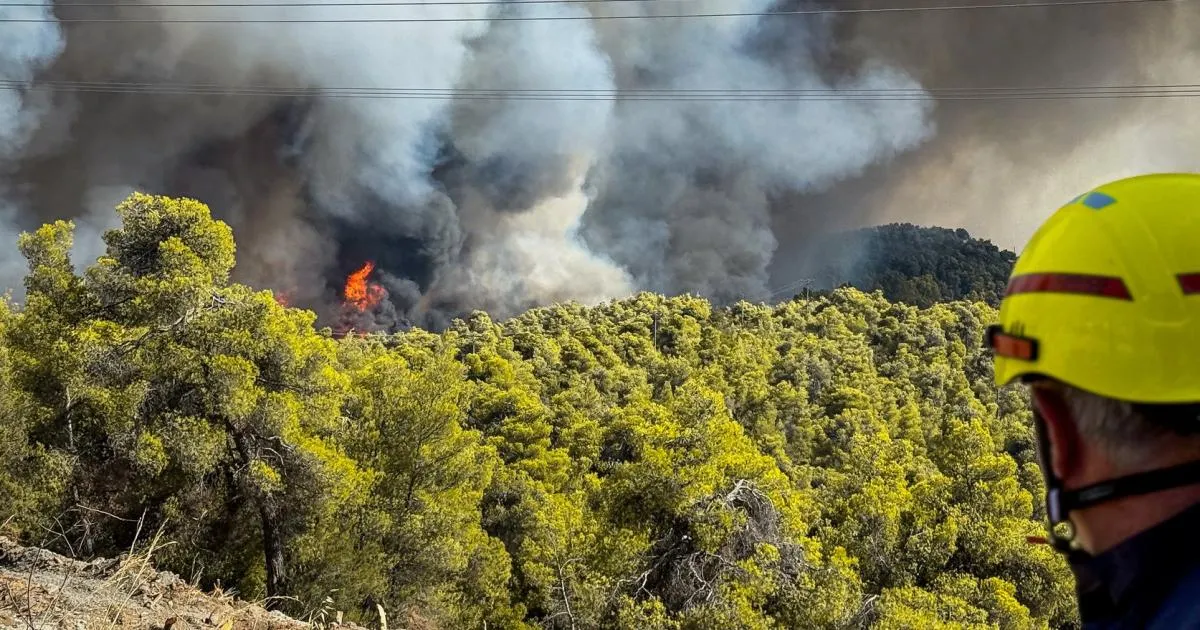
The upcoming 3rd Euro-Mediterranean Workshop on Fire Risks, co-organized by the European Commission and Cyprus, will take place on May 6-7. This workshop aims to address fire risk management issues related to wildfires and industrial fire risks—concerns that have become increasingly prominent given the current circumstances.
As tourism numbers dwindle and agricultural challenges mount, it remains crucial for local authorities and stakeholders to devise strategies that could support recovery efforts across sectors. The next steps taken by both the government and affected industries will be closely observed by those invested in Cyprus’s economic stability.