
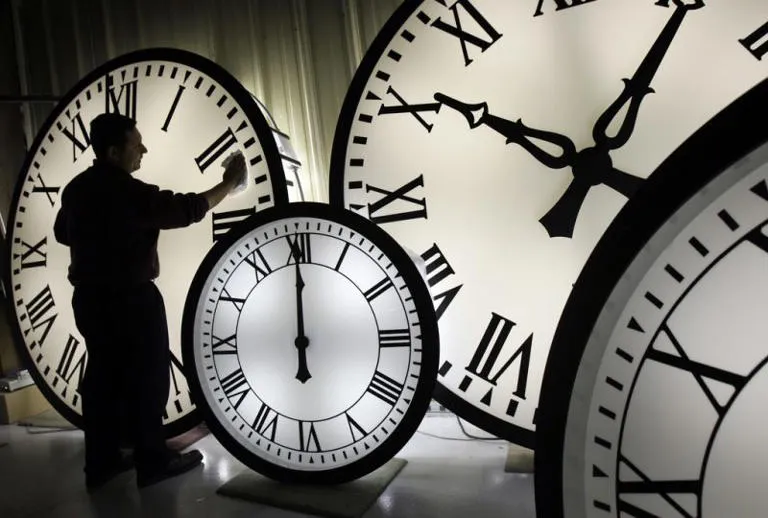
Daylight Saving Time Change
Daylight saving time began on March 8, 2026, when clocks were set forward one hour at 2 a.m. This annual event affects most of the United States, with the notable exceptions of Hawaii and most of Arizona.
As a result of the time change, many people technically lost an hour of sleep, with the time jumping from 2 a.m. to 3 a.m. This shift is intended to maximize the use of natural daylight during the warmer months, a practice that has been in place since it was first introduced in the U.S. in 1918 during World War I.
In Indiana, the time change had a unique impact, allowing bars and restaurants to sell alcohol for an extra hour, as the usual cutoff time of 3 a.m. was effectively bypassed.
Meanwhile, in British Columbia, discussions around daylight saving time have taken a different turn. The province plans to keep daylight saving time permanently after March 8, 2026, a move supported by a significant majority of residents. A recent survey indicated that 93% of British Columbians want to eliminate the biannual clock changes.
David Eby, the Premier of British Columbia, expressed the sentiment of many when he stated, “We are done waiting. British Columbia is going to change our clocks just one more time – and then never again.” This reflects a growing trend among regions reconsidering the necessity of the time change.
Daylight saving time is set to end on November 1, 2026, marking another shift in the seasonal clock adjustments. Observers are keen to see how these changes will be received by the public and whether other regions will follow British Columbia’s lead.
Details remain unconfirmed regarding any further changes to daylight saving time policies in other states or provinces. As discussions continue, the impact of these time changes on daily life remains a topic of interest for many.