
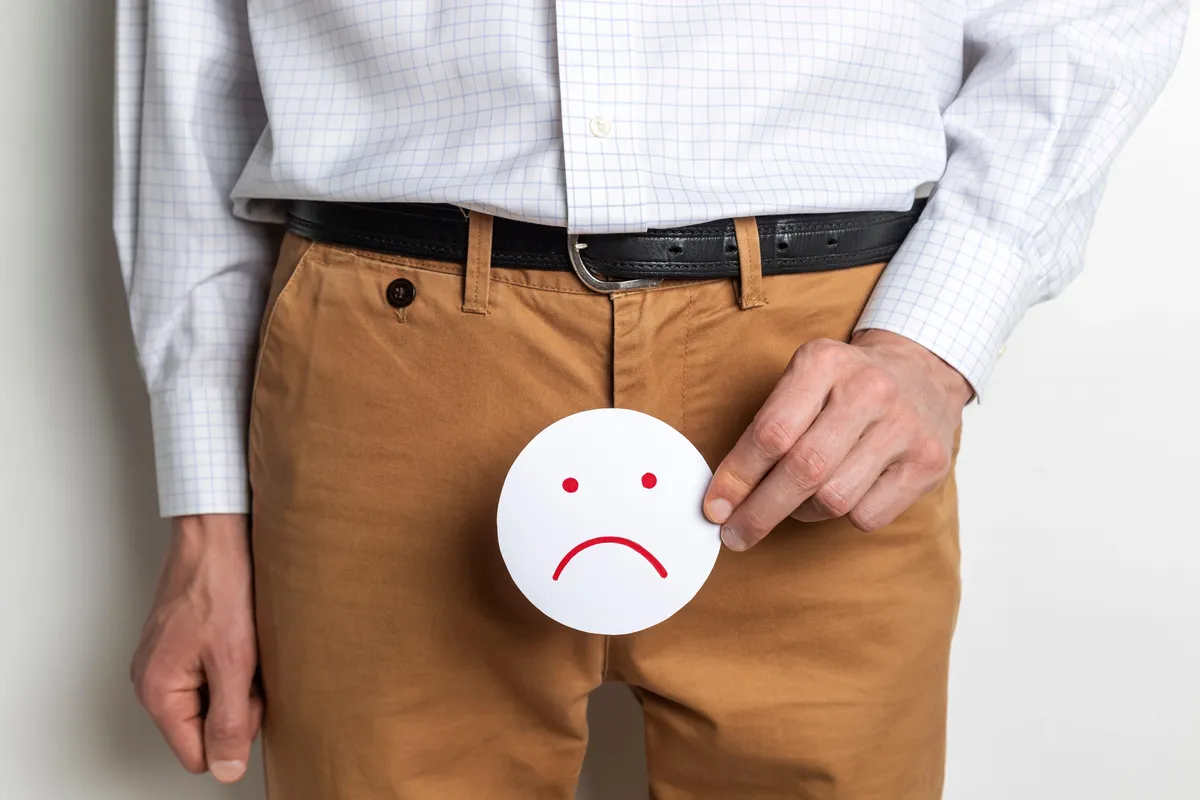
Declining Health Parameters
Historically, men’s health has been a topic of concern, but recent developments have brought alarming statistics to the forefront. In the past, approximately 70% of sperm was considered healthy, a stark contrast to today’s figure of only 4%. This decline signifies a broader issue affecting men’s reproductive health.
Significant Changes
The decisive moment came as data revealed that testosterone levels have decreased by around 30% over the past 50 years. This decline is not just a statistic; it has real-world implications, including a reported 40% decrease in births from 2017 to 2025. Such figures indicate a troubling trend that cannot be ignored.
Effects on Men and Society
The repercussions of these health declines extend beyond individual men, impacting workplaces and society as a whole. Human Resources departments are increasingly facing challenges related to men’s reproductive health, as issues with potency are now being reported at younger ages. Stress, a significant factor in this decline, is known to negatively affect sexual health and hormone levels.
Expert Perspectives
Experts like Dr. Ewa Kempisty-Jeznach emphasize the urgency of addressing these issues, stating, “Mężczyźni to ginący gatunek – ich ochrona to wyzwanie dla działów HR nie tylko w Dniu Mężczyzn.” This highlights the critical need for proactive measures in men’s health management.
Dr. Kempisty-Jeznach also notes, “Aż trudno uwierzyć, jak w ciągu ostatnich lat zmieniły się parametry zdrowotne mierzące męskość,” reflecting on the rapid changes in health metrics that define masculinity today. The interplay between stress and sexual health is further illustrated by her observation: “Zwalczają się zaciekle – bo stres zabija seks i hormony, a dobry seks zabija (a przynajmniej obniża) stres.”
Future Considerations
As we approach International Men’s Day in 2026, the focus on men’s health is more critical than ever. Regular testosterone level checks should become a standard part of men’s health screenings, as good sexual health is linked to better work performance and overall life satisfaction.
Małgorzata Pachecka offers a hopeful message, wishing for resilience and joy in the face of these challenges: “Niech nie zabraknie Wam wytrwałości w dążeniu do celów, spokoju w trudniejszych chwilach, a także wielu momentów radości, dumy i zwyczajnego, codziennego szczęścia.”
Details remain unconfirmed regarding the long-term implications of these trends, but the urgency for awareness and action is clear.