
The wider picture
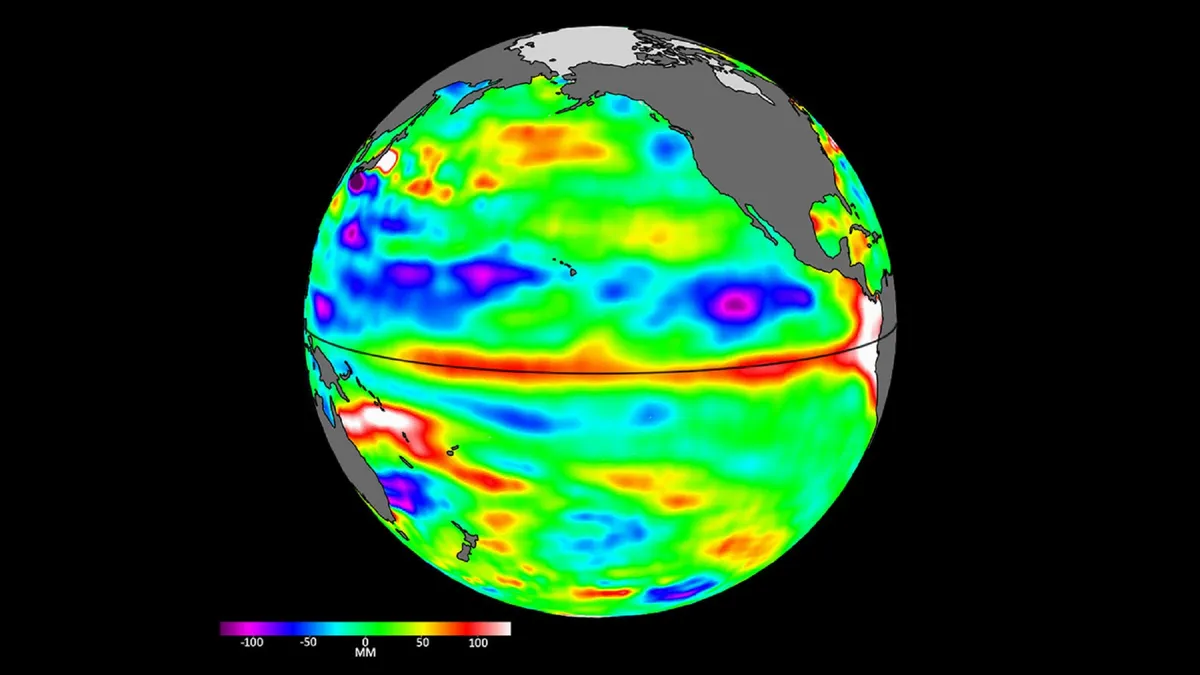
El Niño is a disruption in the usual pattern of water and air movement in the Pacific Ocean, occurring roughly every two to seven years. This climatic event has historically had profound effects on global weather patterns, influencing everything from rainfall to temperature fluctuations. For instance, it has been known to affect fishermen off the western coast of South America, causing mass death in the food chain they relied on. The implications of El Niño extend far beyond localized areas, impacting agricultural productivity, water supply, and even the frequency of natural disasters worldwide.
As we approach the 2023/24 El Niño event, meteorological experts are observing significant developments. Recent forecasts indicate an 80 percent chance of a strong El Niño forming, with a 22 percent chance of it reaching ‘super’ status. Daniel Swain, a climate scientist, remarked, “Whew. All signs are increasingly pointing to a significant, if not strong to very strong, El Niño event.” Such a strong El Niño typically leads to a global temperature increase, with the potential to make 2024 the warmest year on record.
The World Meteorological Organization (WMO) has issued warnings regarding the rapid and large-scale changes to the global climate, stating that these shifts are likely to cause damaging effects that could last for centuries. As the past 11 years have been the warmest since records began in 1850, the urgency of addressing these climate phenomena has never been more pressing. In 2025, global average temperatures were approximately 1.43°C above pre-industrial levels, a stark reminder of the ongoing climate crisis.
In the context of this impending El Niño, experts are also raising concerns about the broader implications for weather patterns. Ben Noll, a climate researcher, noted that “changes in location, intensity and frequency of droughts, floods, heat waves and hurricanes are all likely” as a result of this climatic event. The interconnectedness of these phenomena underscores the complexity of our climate system and the challenges we face in mitigating their impacts.
Furthermore, the atmospheric concentrations of CO₂ are now at their highest level in at least two million years, primarily due to human activities. Eric Webb, another climate expert, explained that “due to the increasing concentration of greenhouse gases, the climate system cannot effectively exhaust the heat released in a major El Niño event before the next El Niño comes along and pushes the baseline upward again.” This cyclical nature of El Niño events, compounded by human-induced climate change, poses significant risks for future generations.
As we transition into this El Niño phase, Dr. John Kennedy warns, “If we transition to El Niño, we will see an increase in global temperature again – and potentially to new records.” The potential for record-breaking temperatures is alarming, especially given the already precarious state of our climate. Observers are closely monitoring the situation, as the effects of this El Niño could reverberate across the globe, affecting millions of lives.
In summary, the upcoming El Niño event represents not just a climatic anomaly but a critical juncture in our ongoing battle against climate change. The stakes are high, and the need for comprehensive climate action has never been more urgent. As we brace for the potential impacts of this phenomenon, the world watches closely, hoping for resilience in the face of an increasingly unpredictable climate.