
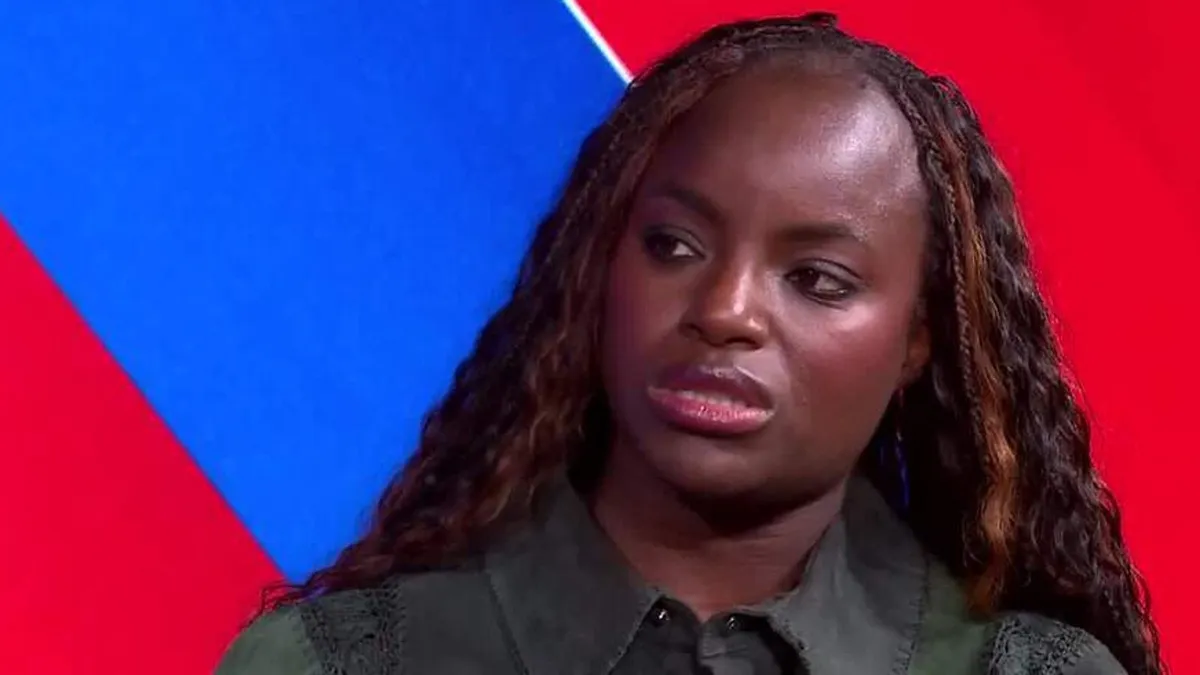
Eni Aluko Wins Libel Case Against Joey Barton
What are the implications of Eni Aluko’s recent victory in her libel case against Joey Barton? The answer is significant: Aluko has won the case and Barton has been ordered to pay £339,000 in damages and legal costs. This ruling not only addresses the specific allegations made by Aluko but also highlights broader issues of online harassment and accountability.
The case, which has been described as a ‘two-year marathon’ by Aluko, stems from a series of 48 posts published by Barton on his X account between January and August 2024. Aluko brought legal action against Barton over two specific posts, which she argued constituted harassment. Gervase de Wilde, Aluko’s legal representative, stated that Barton has now accepted that his campaign against Aluko amounted to harassment and that he should not have made the publications.
During the proceedings, it was revealed that Barton was arrested the day before the court hearing, adding a layer of complexity to the case. Aluko expressed her happiness and relief following the court ruling, stating, “I’m glad it’s the end.” She thanked her legal team and supporters for their efforts throughout the lengthy legal battle.
The High Court in London ruled in favor of Aluko, emphasizing the damaging nature of Barton’s posts, which were described as an attack on multiple aspects of her life and personality. The court’s decision reflects a growing recognition of the impact that social media can have on individuals’ reputations and mental health.
As part of the ruling, Barton has seven days to ask to change the court order. The first £100,000 of the total payment is due by March 24, 2026. This financial penalty serves as a reminder of the legal repercussions that can arise from online behavior, particularly when it crosses the line into harassment.
At 39 years old, Aluko has been a prominent figure in discussions surrounding women’s rights and representation in sports. Barton’s actions, now deemed as harassment by the court, have drawn attention to the challenges faced by individuals, particularly women, in the public eye. The case illustrates the importance of holding individuals accountable for their actions, especially in the digital age.
Looking ahead, the aftermath of this ruling may influence how similar cases are handled in the future. As society grapples with the implications of online discourse, the legal system’s response to harassment claims will likely continue to evolve. While Aluko’s victory is a significant milestone, it also raises questions about what further protections may be needed for individuals facing similar challenges.