
Key moments
On March 19, 2018, Alabama experienced a significant weather event as supercell thunderstorms unleashed hailstones larger than grapefruit across northern regions of the state. This unprecedented storm not only caused widespread damage but also set Alabama’s first official hail record, marking a notable moment in the state’s meteorological history.
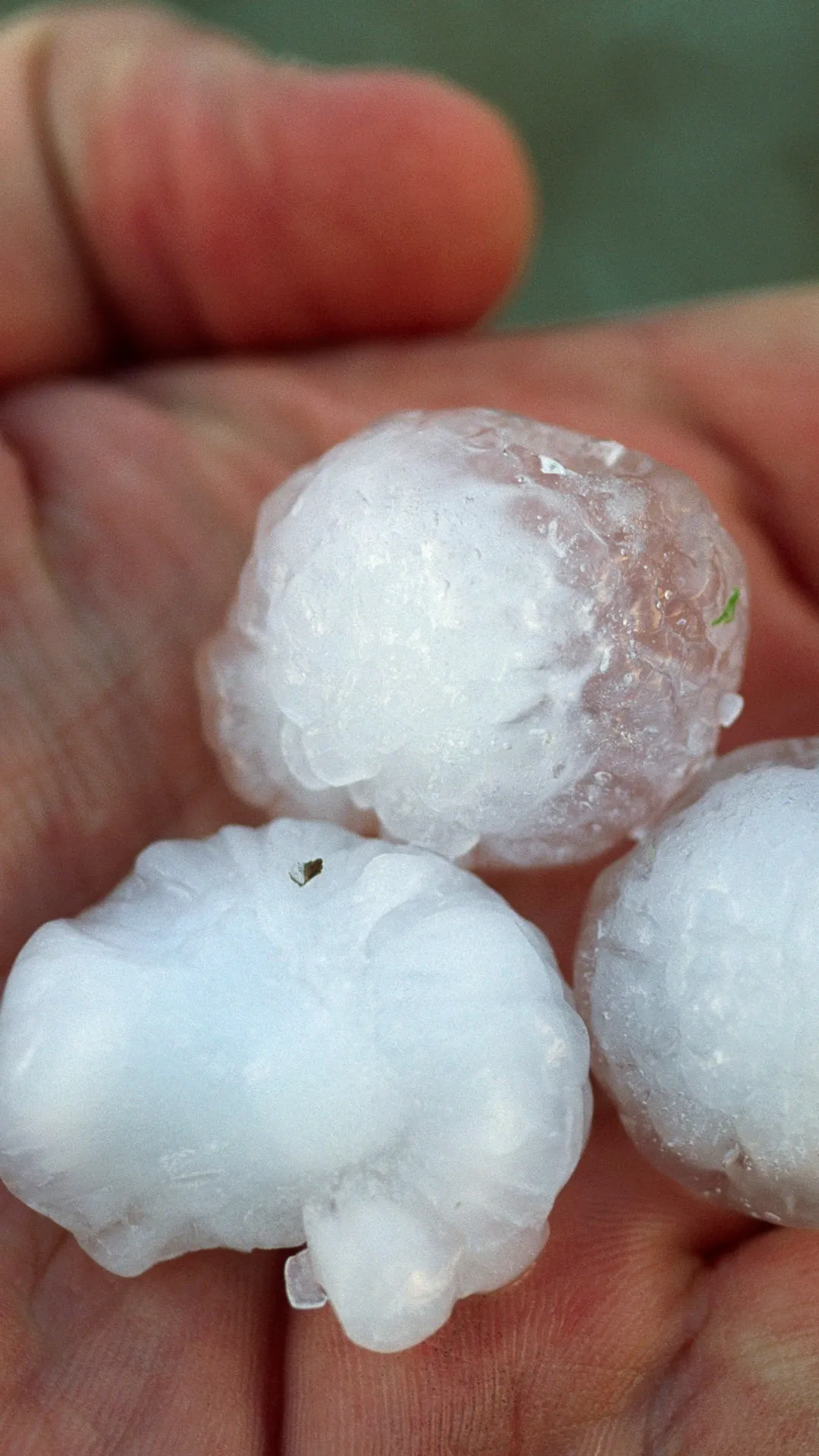
The National Weather Service reported a remarkable hailstone measuring 5.38 inches wide and weighing 9.8 ounces, a size that eclipsed the previous unofficial record of 4.25 inches. This dramatic increase in hail size underscores the potential severity of thunderstorms in the region, which had not seen such extreme conditions before.
In a related event, a six-inch hailstone was reported in Kankakee, Illinois, which could potentially break the state’s existing record of 4.75 inches, set in June 2015. These occurrences highlight a troubling trend in severe weather patterns, as hailstorms have become increasingly destructive, with the capacity to inflict significant damage on property and agriculture.
Hail can wreak havoc on various structures, damaging aircraft, homes, and vehicles, while also posing a lethal threat to livestock and humans. The formation of hailstones occurs when raindrops are lifted by powerful thunderstorm updrafts into frigid areas of the atmosphere, where they freeze and accumulate layers of ice. Supercell thunderstorms, characterized by their sustained updrafts, are particularly conducive to the formation of large hail.
The largest hailstone ever recorded in the United States fell near Vivian, South Dakota, on June 23, 2010, measuring an astonishing eight inches in diameter. Such extreme examples of hail formation are rare but serve as a reminder of the potential for severe weather events to escalate in intensity and frequency.
Historically, hailstorms have resulted in catastrophic financial losses, with several storms causing damages exceeding $1 billion in the U.S. The costliest of these events occurred on April 10, 2001, when property damage reached over $2.5 billion in 2018 dollars. These figures illustrate the economic impact of severe weather and the importance of preparedness in mitigating risks associated with hailstorms.
As communities in Alabama and Illinois assess the damage from recent storms, officials and residents alike are left to grapple with the implications of these record-breaking hailstones. The National Weather Service continues to monitor weather patterns closely, emphasizing the need for vigilance as climate change may influence the frequency and severity of such weather phenomena.
In light of these developments, the urgency for improved forecasting and community preparedness has never been clearer. As the threat of severe weather looms, the importance of understanding hail formation and its potential impacts remains a critical area of focus for meteorologists and emergency management officials alike.