
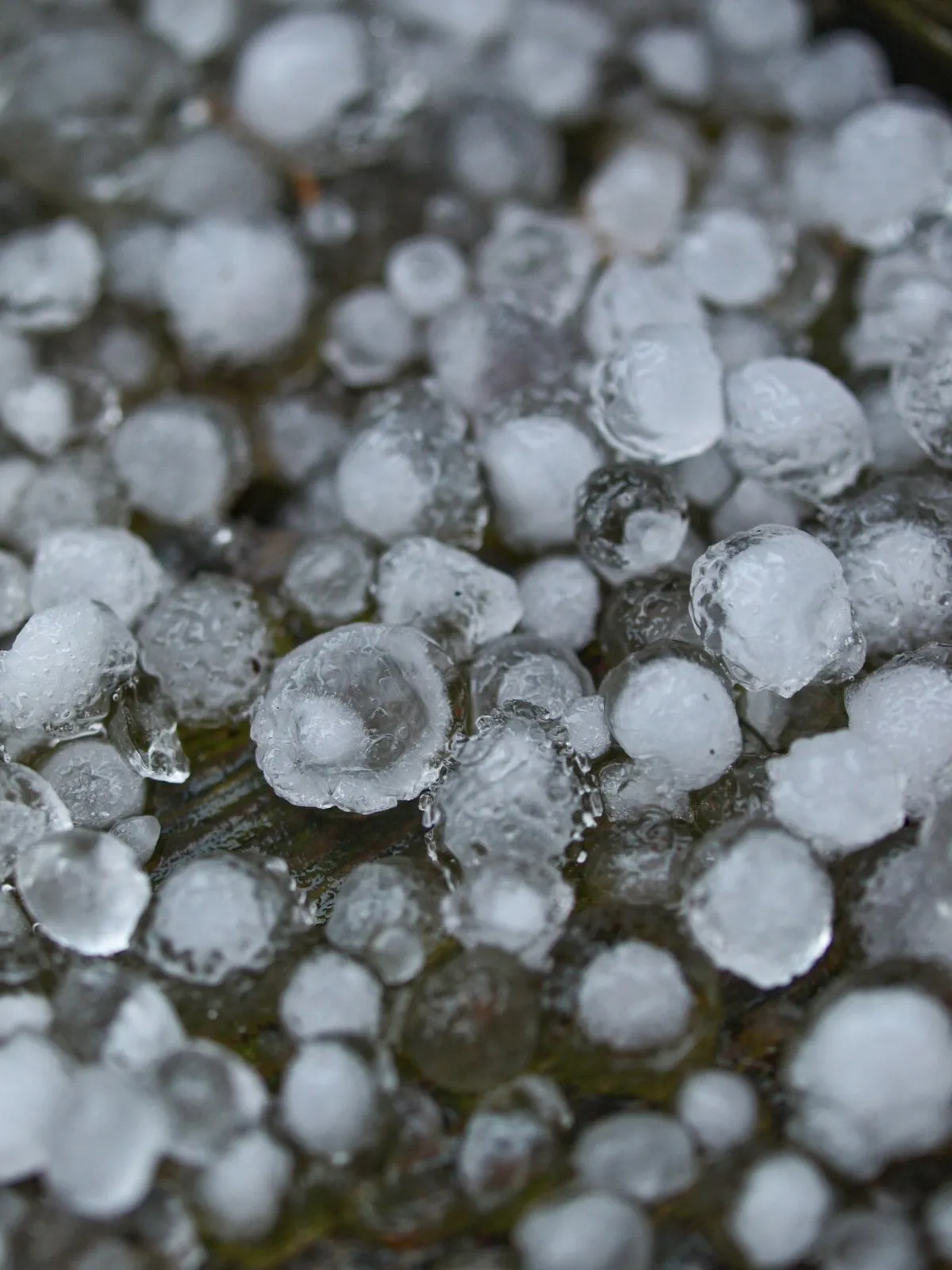
In a dramatic turn of events, severe hailstones struck parts of Nebraska on June 29, 2024, causing extensive damage in Gothenburg and Cozad. The storms produced golf ball-sized hail, which lasted approximately 15 minutes, wreaking havoc on homes, vehicles, and agricultural lands.
According to the National Severe Storms Laboratory, hail is a form of precipitation consisting of solid ice that forms inside thunderstorm updrafts. The immediate aftermath of the storm revealed significant destruction, with reports indicating that hail can damage aircraft, homes, and cars, and can even be deadly to livestock and people.
As the storm approached, meteorologists had already warned residents of the potential for severe weather. Hailstorms are classified as severe when they produce hail one inch or greater in diameter. The conditions leading to the formation of hailstones involve raindrops being carried upward by thunderstorm updrafts into extremely cold areas of the atmosphere, where they freeze together.
Historically, the region known as “Hail Alley,” which encompasses parts of Nebraska, Colorado, and Wyoming, experiences an average of seven to nine hail days per year. This area has become notorious for its frequent and intense hailstorms, with the largest hailstone ever recorded in the United States measuring eight inches in diameter, falling near Vivian, South Dakota, in 2010.
The recent hailstorm in Nebraska is part of a broader pattern of severe weather that has been affecting the region. The weather forecast indicated that rain would continue until Sunday, with thunderstorms and hailstones expected later in the day. This ongoing pattern raises concerns about the potential for further damage and the safety of residents.
In light of the recent events, local officials and residents have expressed their concerns about the increasing frequency and intensity of hailstorms. The National Severe Storms Laboratory notes that the conditions experienced by hailstones can change as they pass horizontally across or near an updraft, making it challenging to predict the exact nature of future storms. “There is no clear distinction between storms that do and do not produce hailstones,” they stated.
As communities begin to assess the damage and recover from the storm, the focus will likely shift to preparedness for future weather events. Understanding the dynamics of hail formation and the conditions that lead to severe storms will be crucial for mitigating risks and protecting lives and property.
Details remain unconfirmed regarding the total extent of the damage and any potential injuries resulting from the hailstorm. However, the immediate response from local authorities has been to ensure the safety of residents and to begin the recovery process.