
What Are the Implications of Iran’s Mining Activities?
As tensions escalate in the Middle East, a pressing question arises: What are the implications of Iran’s recent mining activities in the Strait of Hormuz? Iran has begun laying mines in this critical waterway, a move that could significantly disrupt global oil supply. The mining is not extensive yet, with reports indicating that only a few dozen mines have been laid in recent days.
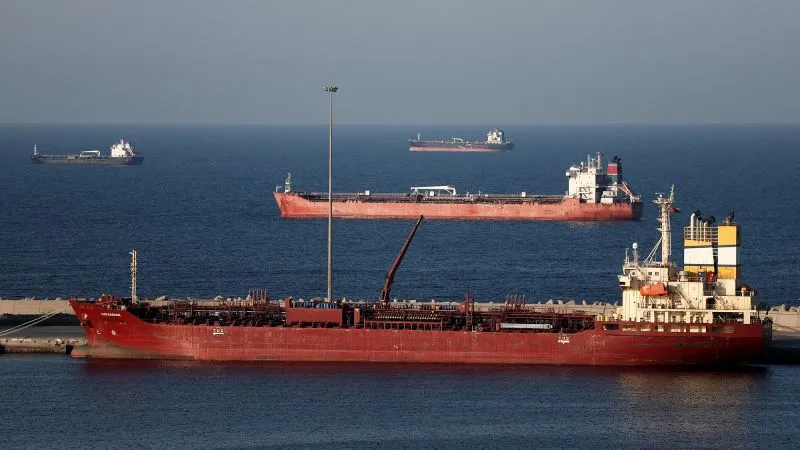
The Strait of Hormuz is a vital chokepoint through which about 20 percent of the world’s oil supply passes. This narrow passage, measuring just 34 kilometers at its narrowest point, is crucial for the transportation of crude oil and refined fuels. Currently, approximately 15 million barrels per day of crude production and 4.5 million barrels per day of refined fuels are stranded in the Gulf due to rising tensions.
Background and Key Players
The situation has escalated following a series of confrontations between Iran and the United States. The US Central Command has destroyed multiple Iranian naval ships, including 16 minelayers, near the Strait of Hormuz. Iran’s Islamic Revolutionary Guard Corps has issued stern warnings, stating that they will not allow even ‘one litre of oil’ to leave the region if US-Israeli attacks continue. This backdrop of military posturing sets the stage for the current mining activities.
Former President Donald Trump has also weighed in, stating, “If Iran has put out any mines in the Hormuz Strait, and we have no reports of them doing so, we want them removed, IMMEDIATELY!” He further warned of severe military consequences if the mines are not removed, emphasizing the high stakes involved in this maritime conflict.
Iran’s Naval Capabilities
Iran retains a significant naval capability, with estimates suggesting that the country may possess between 2,000 to 6,000 naval mines. The Islamic Revolutionary Guard Corps has indicated that any movement of the US fleet and its allies will be met with resistance, stating, “Any movement of the US fleet and its allies will be stopped by our missiles and drones.” This assertion highlights the potential for a military confrontation in the region.
Historically, during the ‘Tanker War’ in the 1980s, Iran routinely placed naval mines along major shipping routes used by oil tankers, demonstrating a long-standing strategy to exert control over this vital maritime corridor. The current situation echoes those past conflicts, raising concerns about the safety of shipping lanes and the stability of global oil markets.
What Lies Ahead?
As the situation develops, uncertainties remain regarding the exact number of mines Iran has laid and the current status of oil shipments through the Strait of Hormuz. Details remain unconfirmed, and the international community is closely monitoring the situation. The potential for conflict in this critical region poses significant risks not only to regional stability but also to the global economy, given the reliance on oil transported through these waters.
In summary, Iran’s mining activities in the Strait of Hormuz have raised alarms about the security of one of the world’s most important energy chokepoints. With military tensions on the rise, the implications for global oil supply and regional stability are profound, warranting close attention from policymakers and analysts alike.