
Prior Expectations
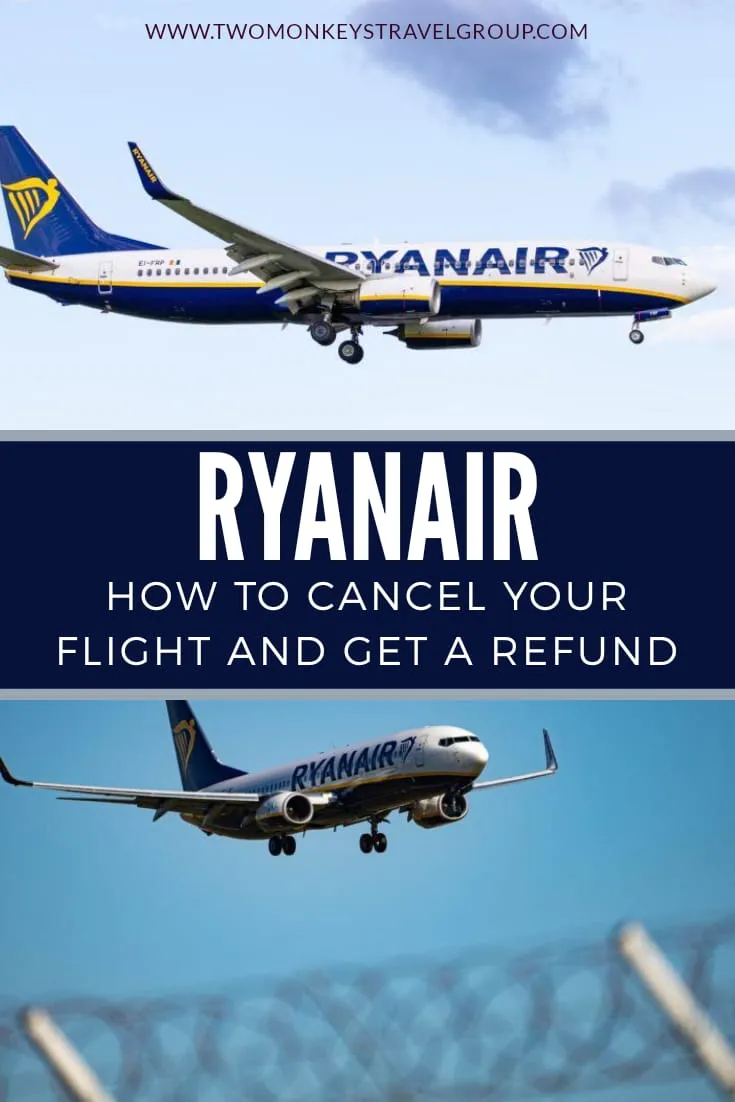
Before the incident, passengers on the Ryanair flight from Bristol to Dublin anticipated a straightforward journey. With a reputation for low-cost travel, Ryanair is often chosen for its affordability and perceived reliability. However, the expectations of a smooth flight were abruptly disrupted when the aircraft was diverted to Manchester after two failed landing attempts due to severe weather conditions caused by Storm Amy.
Decisive Moment
The situation escalated as passengers were confined aboard the plane for six hours without any complimentary refreshments. Ryanair failed to communicate effectively or provide assistance during this time, leaving many passengers frustrated and anxious. Following the diversion, one passenger incurred a total cost of £900 for the trip, which included hotel and transport expenses that they later sought to claim from the airline.
Immediate Effects
Upon attempting to claim £240 for these additional expenses, Ryanair rejected the request, asserting that the flight had successfully landed in Dublin. The airline further claimed that the passenger had missed a rebooked flight to Dublin that supposedly departed while they were still on the diverted aircraft. This assertion was met with disbelief, as many passengers felt that they were being unfairly treated.
Expert Perspectives
Critics of Ryanair’s handling of the situation pointed out significant flaws in the airline’s customer service. One expert noted, “Claiming a passenger missed a flight that was chronologically impossible to board constitutes a failure of professional diligence.” This sentiment reflects a growing concern regarding how airlines manage customer expectations and handle compensations during unforeseen circumstances.
Ryanair’s Response
Initially, Ryanair insisted that a bar was open for refreshments during the wait, which was later revealed to be a paid service, further aggravating the passengers’ grievances. After considerable backlash, the airline eventually admitted that the passenger had been ‘incorrectly advised’ regarding their missed flight and agreed to refund the flight cost along with covering hotel and transport expenses. However, this admission came only after significant pressure from affected customers.
Broader Implications
This incident highlights ongoing issues with airline customer service and the treatment of passengers during flight diversions. As airlines like Ryanair navigate the challenges posed by severe weather and operational disruptions, the need for clear communication and effective support systems becomes increasingly important. Passengers are left questioning their rights and the responsibilities of airlines in such scenarios.
As the travel industry continues to recover from various disruptions, the case of the Ryanair flight diversion serves as a reminder of the importance of accountability and transparency in customer service. The experiences of those affected underscore the need for airlines to improve their policies and practices to ensure that passengers are treated fairly and with respect during challenging situations.