
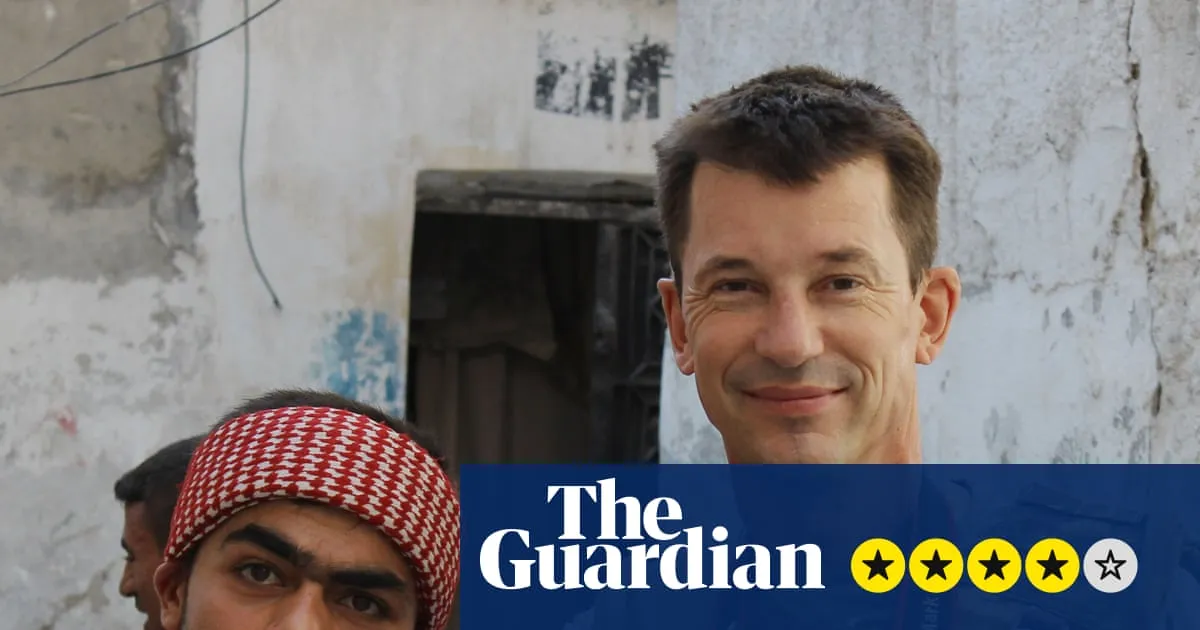
The Complex Legacy of John Cantlie
John Cantlie, a British photographer and reporter, was kidnapped in Syria in 2012, marking the beginning of a harrowing chapter in his life that would resonate within the journalism community and beyond. His experience highlights the extreme risks faced by journalists operating in conflict zones, particularly in North Africa and the Middle East. The stakes were high, not only for Cantlie but also for the broader narrative surrounding the role of media in war-torn regions.
During his time in captivity, Cantlie was forced to create propaganda videos for his captors, the Islamic State. These videos were designed to promote the group’s ideology and showcase their narrative, effectively turning Cantlie into a tool for their propaganda machine. His survival hinged on this grim reality, as he navigated the complexities of being both a hostage and a reluctant participant in the very narrative that sought to exploit his situation.
Cantlie’s kidnapping occurred against the backdrop of the Syrian civil war, a conflict that has claimed countless lives and drawn international attention. He had previously documented the frontlines of the battle against Muammar Gaddafi in Libya in 2011, showcasing his commitment to reporting from dangerous locations. This bravery, however, came at a cost, as he worked alongside fellow journalist James Foley, who also faced a tragic fate at the hands of their captors.
In 2017, it was reported that Cantlie was believed to have died in an airstrike in Iraq, although the precise evidence linking his captivity in Syria to this reported incident remains unclear. This uncertainty adds a layer of complexity to his story, as the absence of family testimony leaves gaps regarding Cantlie’s decision-making and movements before his capture. Details remain unconfirmed.
The documentary “Hostage” explores Cantlie’s life and motivations, presenting a complicated portrait of his character under duress. It includes footage from Cantlie’s own smartphone videos and selfies, offering a glimpse into his psyche during captivity. However, his family declined to participate in the documentary, which raises questions about the personal impact of his experiences and the family’s perspective on his choices.
Throughout his ordeal, Cantlie was known for his bravado and enjoyment in the face of danger, a trait that both endeared him to some and raised eyebrows among others. His quote, “If we don’t make it out of this, it’s been fun!” encapsulates a certain defiance in the face of adversity, reflecting a mindset that many journalists adopt when reporting from perilous environments.
The legacy of John Cantlie serves as a reminder of the sacrifices made by journalists in pursuit of truth and the challenges they face in conflict zones. As the landscape of journalism continues to evolve, the risks associated with reporting from dangerous areas remain ever-present, underscoring the need for greater awareness and protection for those who choose to bear witness to the world’s most pressing issues.
As discussions continue around the implications of Cantlie’s story, the journalism community reflects on the broader themes of safety, ethics, and the role of media in conflict. The complexities of his legacy will likely fuel ongoing conversations about the responsibilities of reporters and the impact of their work in shaping public understanding of global conflicts.