
Prior Expectations
Before the tragic events of February 28, 2026, the Shajareh Tayyebeh primary school in Minab, Hormozgan Province, Iran, was viewed as a safe haven for children. The school had been physically separated from the nearby Islamic Revolutionary Guards Corps (IRGC) compound by a wall for at least eight years, leading many to believe that it would remain untouched amidst escalating tensions between the United States and Iran. The international community was largely focused on diplomatic efforts to de-escalate military confrontations in the region, with hopes that educational institutions would be spared from the violence.
Decisive Moment
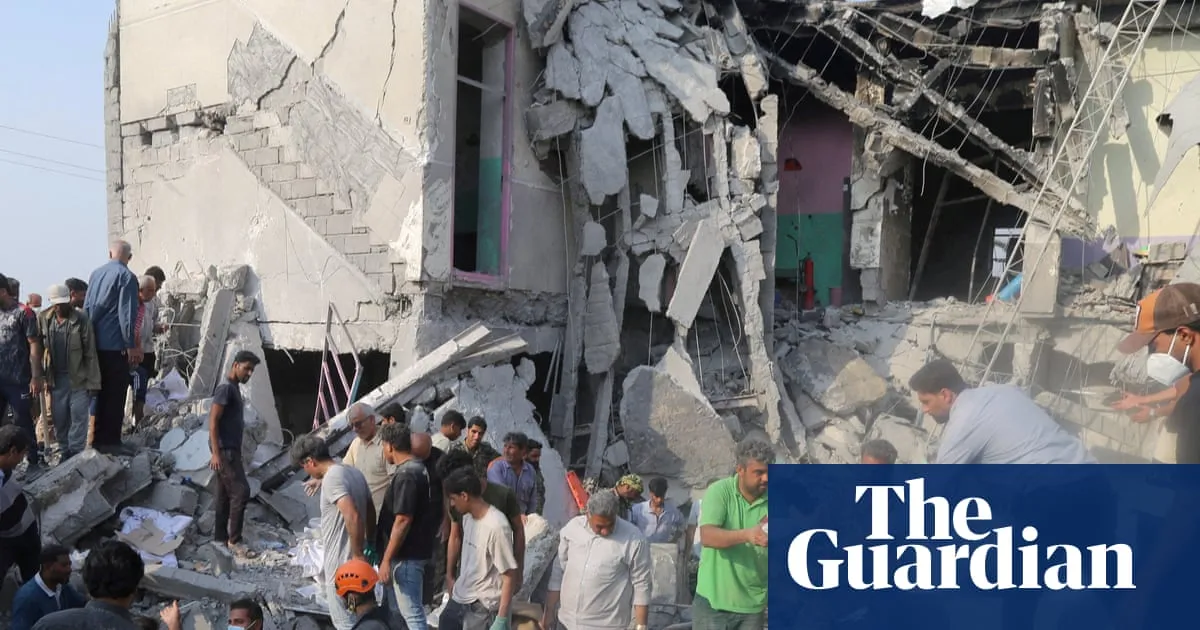
However, on that fateful morning, a US Tomahawk missile struck the Iranian naval base adjacent to the school, resulting in catastrophic consequences. Reports indicate that more than 168 people, predominantly children, lost their lives in the strike. This incident occurred during a series of US-Israeli military operations targeting Iranian assets, marking a significant shift in military engagement in the region. Satellite imagery has since revealed extensive damage to both the school and the naval base, with approximately half of the school building demolished.
Direct Effects
The immediate aftermath of the strike was devastating. Videos surfaced showing rescue workers sifting through the rubble of the school, desperately searching for survivors. Iranian authorities reported that at least 165 individuals were killed, with the Minab Cemetery seeing the digging of 77 graves, and an additional 23 graves in the process of being prepared. The loss of life has sparked outrage among parents, educators, and human rights advocates, who are calling for accountability and justice for the victims.
Expert Perspectives
International organizations have condemned the strike, with UNESCO labeling it a grave violation of international law. UN experts emphasized that this attack represented an assault on children and education, threatening the future of an entire community. Commenting on the incident, former President Donald Trump suggested that the attack was a result of Iranian actions, stating, “In my opinion, based on what I’ve seen, that was done by Iran.” Meanwhile, military analysts confirmed that the missile used was indeed a Tomahawk, raising questions about the targeting protocols employed by the US military.
The strike has reignited debates surrounding military engagement and the protection of civilian life in conflict zones. Critics argue that the use of precision-guided munitions like the Tomahawk missile should come with stringent measures to avoid civilian casualties. Pete Hegseth, a military commentator, asserted, “The only side that targets civilians is Iran,” a statement that reflects the polarized views on accountability in warfare. The incident has underscored the complexities of modern warfare, where the lines between combatants and non-combatants can become tragically blurred.
International Reactions
As the dust settles, the international community is grappling with the implications of this strike. Human Rights Watch has called for an independent investigation into the incident, urging the US military to provide transparency regarding the circumstances that led to the missile strike. The ongoing conflict in the region has created a volatile environment, and the loss of innocent lives has prompted renewed calls for diplomatic solutions rather than military interventions.
Looking Ahead
Details remain unconfirmed regarding the full scope of the strike’s impact and the subsequent military responses. As investigations continue, the focus will likely remain on the humanitarian implications of such military actions and the need for stronger protections for civilian populations in conflict zones. The tragic events at Shajareh Tayyebeh primary school serve as a stark reminder of the human cost of war and the urgent need for accountability and reform in military operations.