
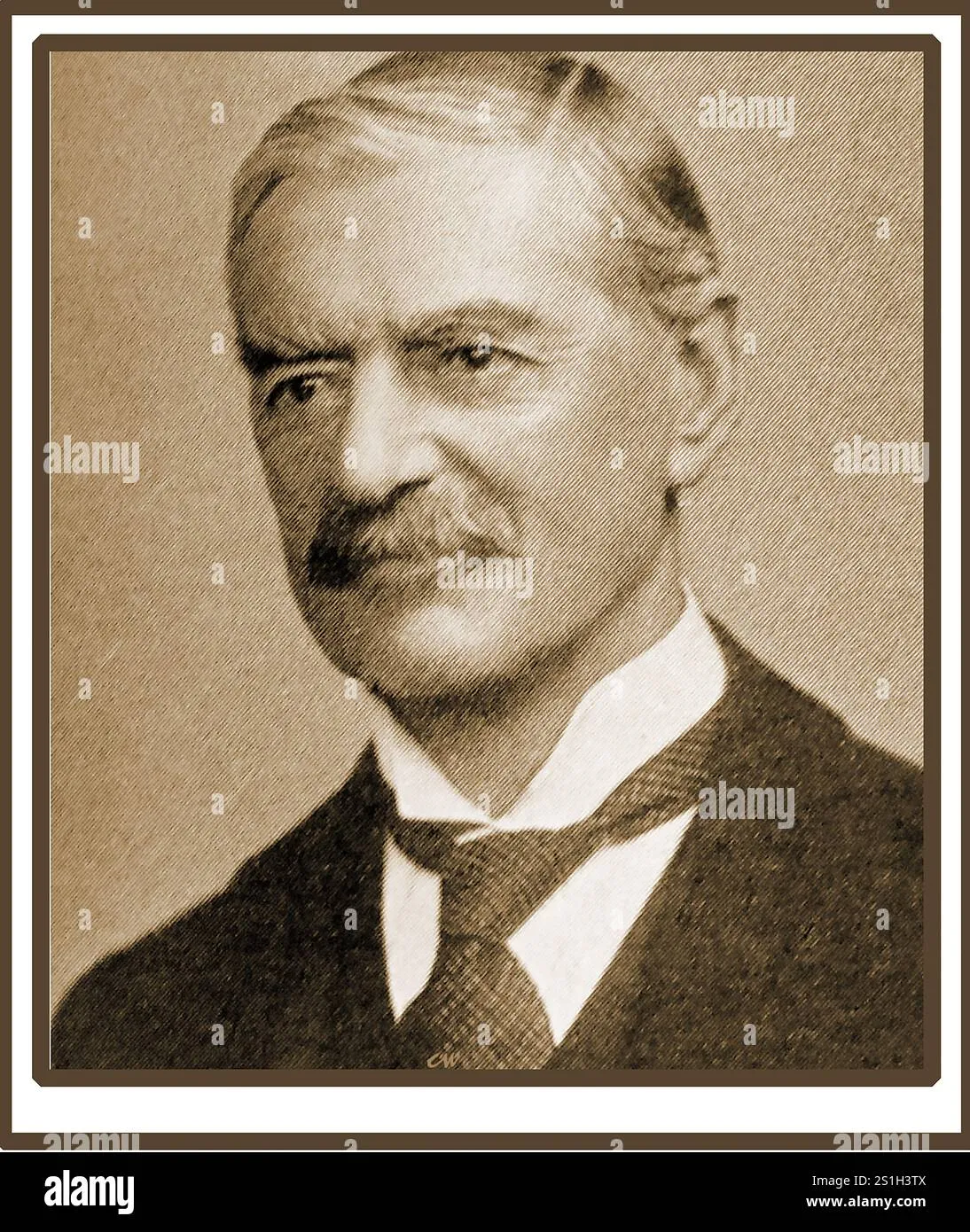
In a striking comparison, former President Donald Trump recently likened UK Labour leader Keir Starmer to Neville Chamberlain, the British Prime Minister infamous for his policy of appeasement towards Nazi Germany before World War II. This remark was made during a discussion about the ongoing conflict involving Iran, which has now entered its sixth week as of April 2026.
Trump stated emphatically, “We won’t want another Neville Chamberlain, do we agree? We don’t want Neville Chamberlain.” This statement underscores the heightened tensions surrounding the Iran conflict, where Starmer has notably refused to back US-Israeli military actions and has asserted that the UK will not engage in offensive operations regarding the situation.
The numbers
As the conflict escalates, UK aircrews and ground forces have been involved in defensive actions in the Middle East, reflecting a complex military landscape. Trump has threatened to bomb Iran’s civilian infrastructure if Tehran does not reopen the crucial Strait of Hormuz, a vital passage for global oil shipments. In contrast, Starmer has maintained a cautious approach, emphasizing the need to prioritize the UK’s national interests.
Bridget Phillipson, the UK education secretary, echoed Starmer’s sentiments, stating, “It is not language or an approach that this government would be taking.” This response highlights a clear divergence in foreign policy perspectives between the current UK leadership and Trump’s aggressive stance.
Starmer’s refusal to allow US jets to use RAF bases for attacks on Iran further illustrates the strained transatlantic relationship. His position is grounded in a belief that the conflict is not the UK’s war, a sentiment he has reiterated in various statements. This cautious approach aims to navigate the complexities of international relations while avoiding the pitfalls of historical appeasement.
Trump’s remarks come at a time when the US-UK alliance is under scrutiny, with both leaders facing pressure to define their roles in a rapidly changing geopolitical landscape. The historical reference to Chamberlain serves as a stark reminder of the consequences of perceived weakness in foreign policy, particularly in the face of aggressive adversaries.
As the situation develops, observers are keenly watching how Starmer’s leadership will shape the UK’s response to the Iran conflict and whether it will align with or diverge from US strategies. Details remain unconfirmed regarding future military actions and diplomatic engagements, leaving many questions about the trajectory of UK foreign policy in the coming weeks.