
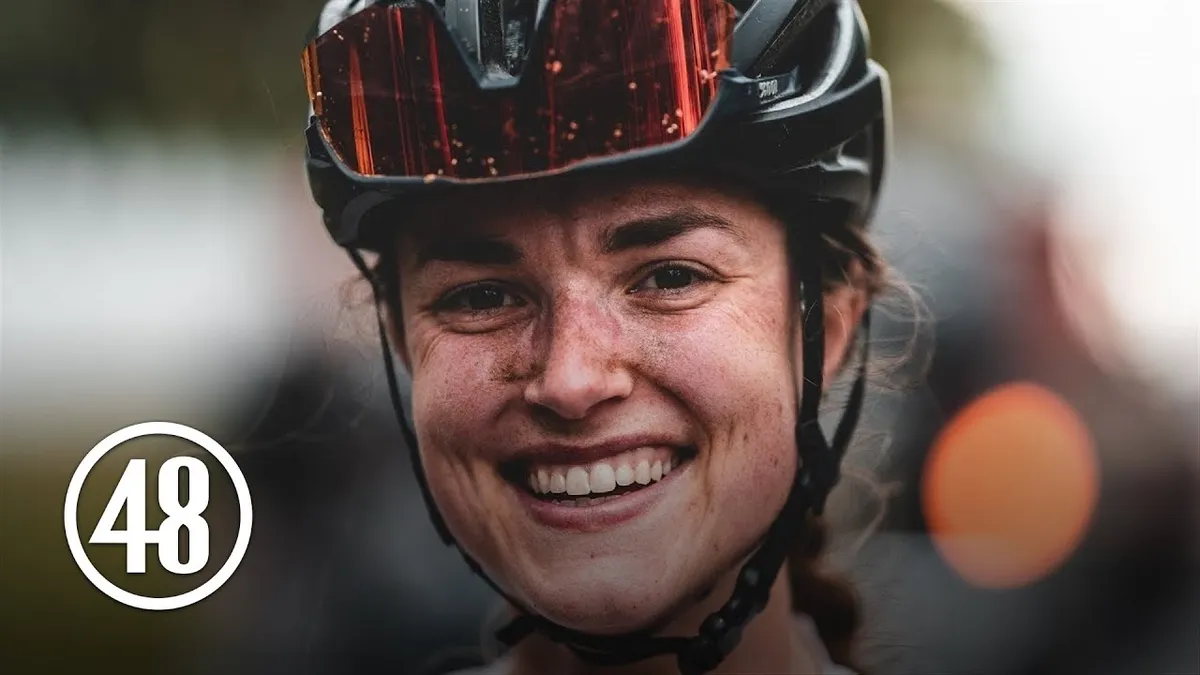
The tragic murder of Moriah Wilson on May 11, 2022, sent shockwaves through the cycling community and beyond. Before this devastating event, Wilson was celebrated as a rising star in the sport, known for her dedication and talent. Her untimely death at just 25 years old left friends and family grappling with an unimaginable loss, particularly her close friend Caitlin Cash, who discovered Wilson unresponsive in her apartment.
In the immediate aftermath, the investigation quickly focused on Kaitlin Armstrong, who was named a suspect shortly after the murder. The timeline of events was chilling: Wilson was dropped off by Colin Strickland at 8:30 p.m., and just 45 minutes later, the first shots were fired. This stark contrast between the vibrant life Wilson led and the violent end she faced marked a decisive moment in the case.
Armstrong’s subsequent flight to Costa Rica added layers of complexity to the investigation, which ultimately took 43 days to resolve. The capture of Armstrong was a pivotal moment, transforming the narrative from one of uncertainty to one of impending justice.
Fast forward to November 2023, when Armstrong was convicted of Wilson’s murder and sentenced to 90 years in prison. This outcome, while providing some closure, highlights the profound impact of Wilson’s death on her loved ones. Caitlin Cash poignantly remarked, “I go home every night to my house after watching video after video of it all day here, and there’s Mo’s ashes, sitting on my bedside table waiting for me.” Such statements underscore the emotional toll this tragedy has taken.
In the wake of Wilson’s death, her parents, Karen and Eric Wilson, established the Moriah Wilson Foundation, aiming to honor her legacy and support young athletes. This initiative serves as a beacon of hope amidst the sorrow, reflecting the sentiment expressed by Karen Wilson: “The well-known maxim ‘While there is life, there is hope’ has deeper meaning in reverse: ‘While there is hope there is life.'”
The release of the documentary “The Truth and Tragedy of Moriah Wilson” on Netflix has further brought attention to her story, ensuring that her legacy continues to resonate. The film has been met with emotional responses, with filmmaker Marina Zenovich noting, “It was like my whole crew was crying, and I’m talking about grown men.”
As the cycling community continues to mourn the loss of Moriah Wilson, the conviction of Kaitlin Armstrong serves as a stark reminder of the fragility of life and the enduring impact of violence. The journey toward healing for those left behind is ongoing, as they strive to live in a way that honors Wilson’s memory. Karen Wilson encapsulated this sentiment, stating, “There’s definitely those moments, and there will always be those moments, but we’ve just got to live life. She wants us to live life.”